TotalEnergies’ German Battery Storage Divestment: A Blueprint for Capital Efficiency in the Energy Transition
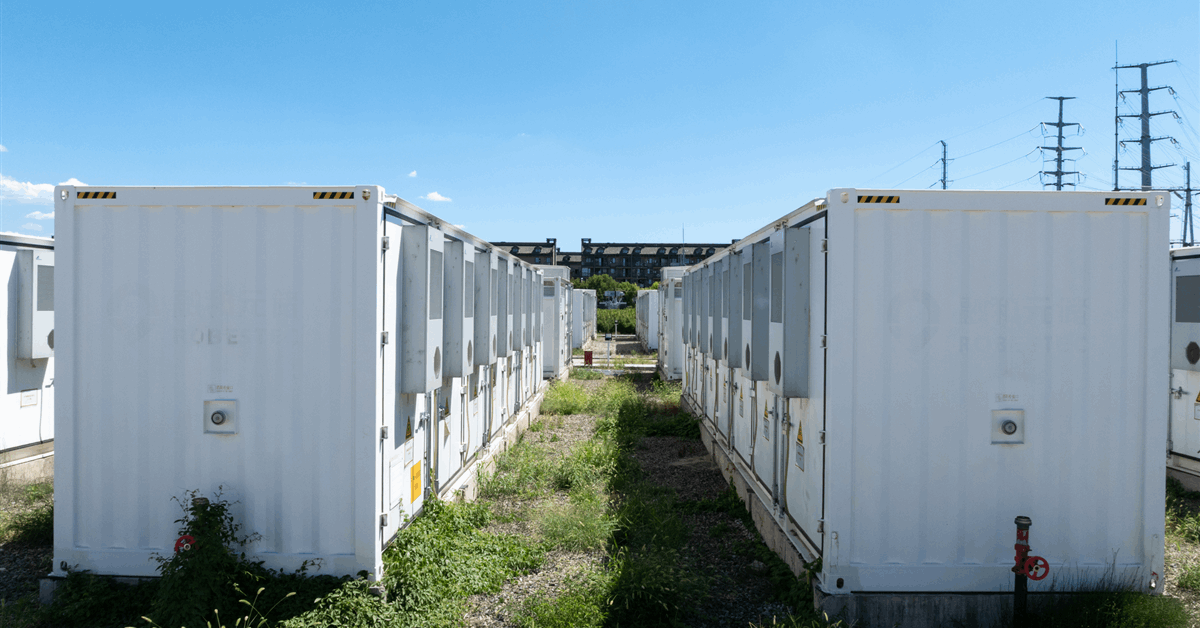
TotalEnergies (TTE) has once again demonstrated its strategic agility in the evolving energy landscape, announcing the sale of a 50 percent stake in a substantial German battery energy storage portfolio to Allianz Global Investors (AllianzGI). This move, encompassing eleven projects with a combined capacity of 789 megawatts and an investment value of EUR 500 million, is far more than a simple asset sale. It represents a calculated capital recycling play, positioning the integrated major for accelerated growth in renewables while de-risking its balance sheet and providing a blueprint for how traditional oil and gas giants are navigating the energy transition with financial discipline. For investors, this transaction highlights TotalEnergies’ commitment to building a diversified, resilient portfolio capable of generating stable returns amidst a volatile global energy market.
Navigating the Commodity Cycle: De-Risking with Integrated Power Assets
In a market where commodity prices remain a primary driver of investor sentiment, TotalEnergies’ focus on integrated power assets offers a compelling hedge. As of today, Brent crude trades at $94.09, showing a modest daily gain of 0.91%, yet this figure represents a notable pullback of over 7% from its $101.16 peak just three weeks ago. Similarly, WTI crude sits at $90.59, up 1.03% on the day. This recent volatility underscores the inherent unpredictability of upstream revenues. In contrast, the German battery storage projects, which are targeted to be operational by 2028, promise more predictable cash flows, often underpinned by long-term contracts or capacity payments. TotalEnergies’ decision to bring in AllianzGI, with 70% of the EUR 500 million investment financed by debt, further illustrates a sophisticated approach to capital allocation, leveraging external financing to scale its renewables footprint while minimizing direct equity exposure to development risks. This move aligns with a broader strategy to optimize capital within its integrated power activities, improving overall sector profitability by diversifying income streams away from pure commodity exposure.
Germany’s Energy Hub and Upcoming Market Catalysts
The choice of Germany, Europe’s largest power market, for this significant battery storage initiative is no accident. TotalEnergies has a substantial ambition here, developing 2 gigawatts of battery energy storage capacity through its Kyon Energy acquisition, alongside an impressive 7.5 gigawatts of offshore wind and 7 gigawatts of solar and onshore wind capacity. The recent 200 MW power purchase agreement (PPA) with Airbus, set to supply 3.3 terawatt hours to major Airbus sites in Germany and the UK starting in 2027, further solidifies TotalEnergies’ “clean firm power strategy” in action. This strategy emphasizes not just generation but also the stable monetization of renewable energy through long-term contracts with industrial off-takers. Looking ahead, investors will be closely watching a series of upcoming market events for broader energy market context. The EIA Weekly Petroleum Status Reports (scheduled for April 22, April 29, and May 6) and the Baker Hughes Rig Counts (April 24 and May 1) will provide critical insights into short-term crude supply and demand dynamics, which can influence capital flows across the entire energy complex. Furthermore, the EIA Short-Term Energy Outlook on May 2nd will offer a macro perspective on global energy trends, providing an important backdrop for how integrated energy companies like TotalEnergies continue to balance their traditional and renewable portfolios. These forward-looking data points will help investors assess the broader environment in which TotalEnergies’ strategic shifts are taking place.
Addressing Investor Uncertainty with Diversified Returns
Our proprietary reader intent data reveals a consistent theme among investors this week: a persistent quest for clarity on market direction. Questions like “is WTI going up or down?” and “what do you predict the price of oil per barrel will be by end of 2026?” highlight the prevailing uncertainty in the crude oil markets. While investors are naturally interested in the performance of specific peers, such as tracking how Repsol will conclude April 2026, the strategic pivot by TotalEnergies towards integrated power and capital recycling offers a compelling counter-narrative to this commodity price volatility. By de-risking development projects through strategic partnerships and focusing on assets that provide stable, contracted revenues, TotalEnergies aims to deliver more predictable returns, a stark contrast to the often-cyclical and unpredictable nature of pure upstream exploration and production. This strategy directly addresses the investor desire for stability and long-term value creation in an otherwise turbulent market, positioning the company as a more resilient investment in the broader energy sector.
A Consistent Pattern of Portfolio Optimization and Value Creation
The German battery storage deal is not an isolated incident but rather the latest in a series of strategic divestments by TotalEnergies aimed at optimizing its capital allocation and enhancing profitability in its integrated power segment. Last year, the company divested 50 percent of a 1.4-gigawatt solar portfolio in North America to KKR, a transaction that valued the assets at an enterprise value of $1.25 billion. This portfolio included six utility-scale solar assets and 41 distributed generation assets primarily in the United States. Similarly, in December 2025, TotalEnergies completed a farm-down of 50 percent of its Greek renewable power portfolio, totaling 424 megawatts, to Asterion Industrial Partners, valuing that portfolio at EUR 508 million, or approximately EUR 1.2 million per megawatt installed. This consistent pattern of developing assets, bringing in financial partners to share risk and provide capital, and then recycling that capital into new growth opportunities underscores TotalEnergies’ disciplined approach to the energy transition. By retaining a strategic stake and often integrating its own technology, such as Saft batteries for the German projects, TotalEnergies ensures continued involvement and value capture throughout the lifecycle of these assets while maximizing its return on invested capital and maintaining a robust development pipeline.


