In a global energy market often characterized by dramatic price swings and geopolitical turbulence, it’s easy for investors to overlook the underlying stability of specific demand sectors. While headlines frequently focus on crude oil volatility, a closer look at localized, consistent consumption patterns reveals pockets of resilience that warrant attention. A recent operational update from Tirumala Tirupati Devasthanams (TTD) regarding its cooking gas supply offers a microcosm of this stability, confirming uninterrupted access to the liquefied petroleum gas (LPG) critical for its vast kitchen operations. This seemingly niche insight, when viewed through the lens of our proprietary market data and upcoming energy events, provides a valuable perspective for investors seeking dependable demand drivers within the broader energy complex.
The Foundational Strength of Consistent Micro-Demand
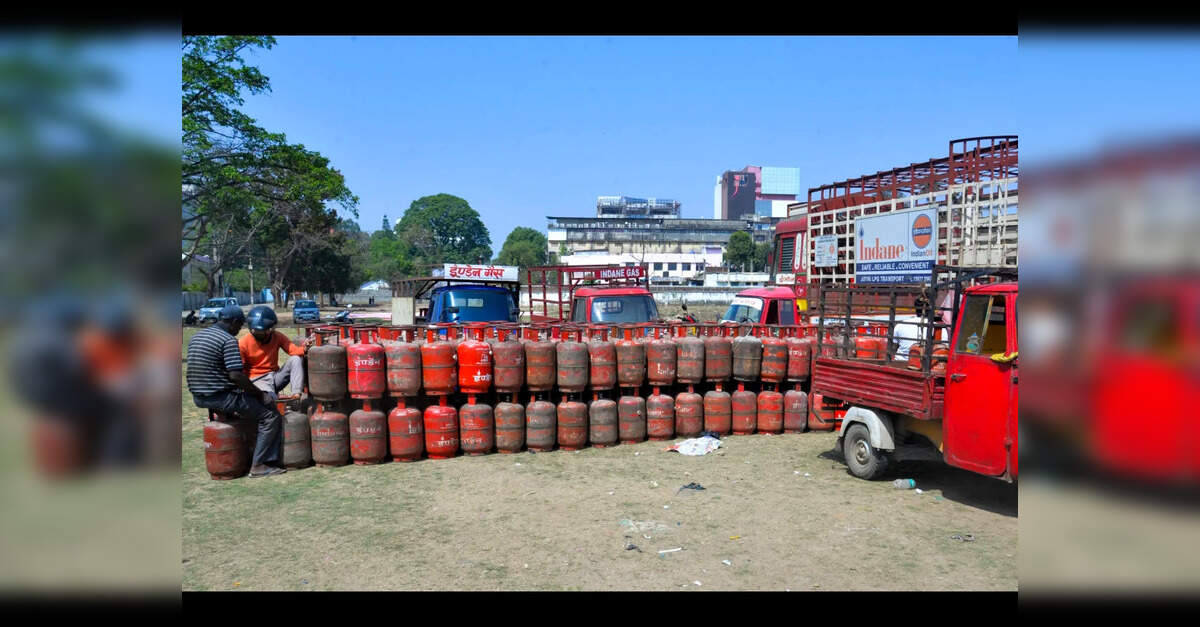
The operational clarity from TTD regarding its LPG supply highlights a crucial, often underappreciated, aspect of energy markets: the consistent, non-discretionary demand from large-scale commercial and institutional users. TTD’s kitchens are a significant consumer, requiring over 10 tonnes of cooking gas daily to prepare an average of four lakh laddus and up to 2.25 lakh meals across its Annadanam centers. During peak festival periods, this demand surges, with laddu production alone climbing to nearly 10 lakh units and meals served exceeding three lakh. To ensure this critical supply, the temple body maintains a robust buffer stock sufficient for a full week, supplementing its piped gas infrastructure with cylinder reserves for auxiliary units. This level of planning and consistent consumption, replicated across countless commercial entities globally, underpins a stable baseline demand for LPG that often remains insulated from the speculative pressures affecting crude markets. For investors, understanding these foundational, resilient demand streams is key to identifying stable revenue opportunities in the energy value chain, particularly in sectors like LPG distribution and infrastructure.
Navigating Current Crude Headwinds and Divergent Trends
While specific LPG demand exhibits resilience, the broader crude oil market is currently navigating a period of downward pressure, a trend our proprietary data pipelines have tracked closely. As of today, Brent crude trades at $92.85, marking a 0.42% decline within the day’s range of $92.57 to $94.21. Similarly, WTI crude stands at $89.39, declining 0.31% from its daily high of $90.71. This recent dip is part of a more significant trend; our 14-day Brent analysis shows a notable decrease of $7.07, representing a 7% drop from its $101.16 peak on April 1st. This downward trajectory reflects investor concerns over global economic growth, potential inventory builds, and shifting geopolitical dynamics that influence supply expectations. The divergence between this crude market volatility and the stable, predictable LPG consumption exemplified by TTD underscores an important nuance for investors: not all energy commodities move in lockstep. While crude prices are a major input, the end-use stability of refined products like LPG, driven by essential daily consumption, can offer a degree of insulation. Our reader intent signals confirm that investors are keenly asking about the immediate direction of WTI and broader oil prices, highlighting the criticality of understanding these macro-micro divergences.
Upcoming Catalysts: Shaping the Near-Term Energy Outlook
The immediate future for oil and gas markets will be heavily influenced by a series of critical data releases scheduled in the coming weeks, which our proprietary event calendar tracks meticulously. On April 22nd, the EIA Weekly Petroleum Status Report will provide essential insights into U.S. crude oil, gasoline, and distillate inventories, alongside refinery utilization rates – data points that often trigger significant market reactions. This will be followed closely by the Baker Hughes Rig Count on April 24th, offering a real-time gauge of drilling activity and future production trends. The cycle continues with the API Weekly Crude Inventory report on April 28th and another EIA report on April 29th, giving investors a continuous pulse on supply-demand balances. A particularly impactful event will be the EIA Short-Term Energy Outlook (STEO) on May 2nd. This comprehensive forecast document from the U.S. Energy Information Administration provides projections for supply, demand, and prices across various energy commodities, offering crucial guidance for investors looking to predict the price of oil per barrel by the end of 2026 and beyond. These upcoming data releases are not merely statistics; they are direct market catalysts that will shape sentiment, influence trading strategies, and provide the fundamental context necessary for making informed investment decisions in a dynamic energy landscape.
Investment Implications: Beyond Crude, Towards Resilient Demand
For discerning investors, the current market environment, characterized by fluctuating crude prices and resilient niche demand, presents a compelling argument for a diversified approach. While the broader market grapples with questions like “Is WTI going up or down?”, the stability demonstrated by large-scale LPG consumers like TTD points to the enduring value of assets tied to essential energy consumption. Companies involved in LPG production, infrastructure, and distribution, particularly those serving stable commercial, industrial, and residential markets, may offer more predictable cash flows compared to upstream crude producers highly exposed to price volatility. The strategic decision by TTD to maintain a one-week buffer stock and utilize a hybrid piped/cylinder system also highlights the importance of robust supply chain management and diversified infrastructure, areas where investment can yield significant long-term returns. As global energy demand continues to evolve, with a growing emphasis on cleaner-burning fuels and reliable supply for burgeoning economies, understanding and investing in these fundamental, stable demand segments – like the consistent need for cooking gas – becomes an increasingly attractive strategy, offering a counterbalance to the often unpredictable swings of the headline crude market.


