The Shifting Sands of Policy: What Trump’s Intel U-Turn Means for Energy Investors
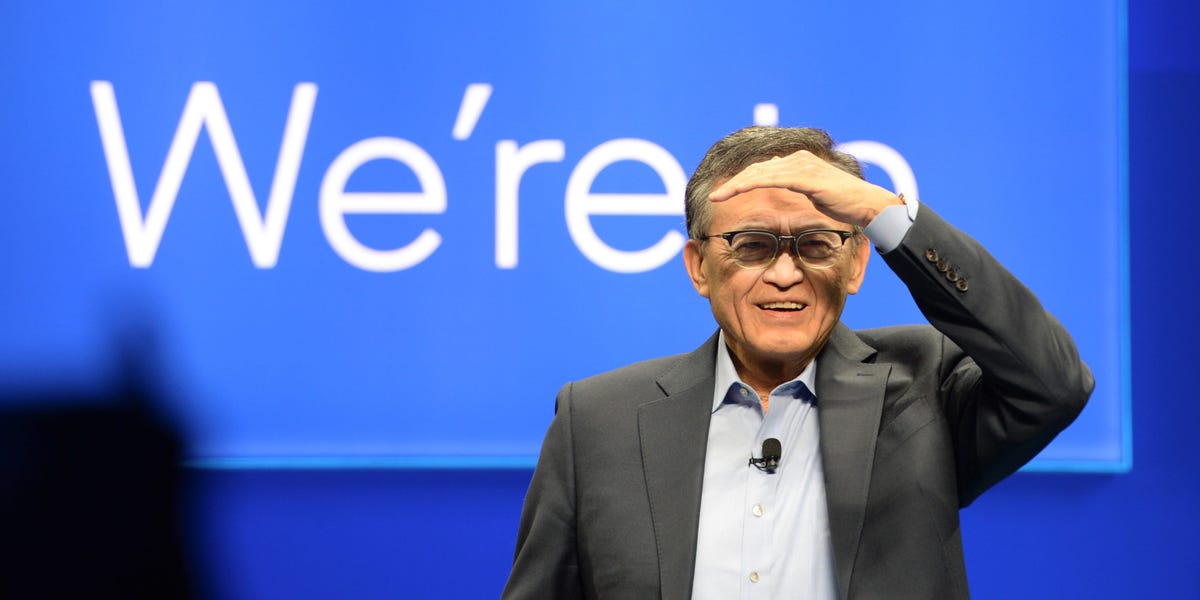
In the high-stakes world of global investment, predictability is a prized, albeit rare, commodity. Recent developments surrounding a prominent U.S. technology leader, Intel’s CEO Lip-Bu Tan, offer a stark reminder of how swiftly political winds can shift, and the profound implications this volatility carries for capital-intensive sectors like oil and gas. What began last week with strong presidential criticism, echoing concerns raised by Senator Tom Cotton regarding potential conflicts of interest and investments in Chinese companies, culminated days later in an abrupt about-face, with the same leader praising Tan’s “amazing story” after a private meeting. This sudden reversal, from calls for resignation to expressions of admiration, is not merely a tech-sector curiosity; it serves as a critical case study for energy investors, signaling a landscape where policy direction can pivot on a dime, demanding heightened vigilance and agile strategy.
Geopolitical Crosscurrents and Energy Investment
The saga of Intel’s CEO encapsulates the intricate dance between national security, industrial policy, and global economic competition. Initial criticisms against Lip-Bu Tan centered on reported investments and past leadership at Cadence Design Systems, alongside alleged financial ties to Chinese entities. These concerns, amplified by a letter from Senator Cotton to Intel’s board, pointed to a broader U.S. strategy aimed at safeguarding technological leadership and re-shoring critical manufacturing. Yet, a subsequent meeting with key cabinet secretaries led to a complete rhetorical pivot, emphasizing cooperation and shared goals. For the oil and gas sector, this incident underscores the potential for rapid shifts in governmental stance on issues ranging from trade relations and sanctions to domestic energy production and environmental regulations. Companies with significant international exposure, complex supply chains, or reliance on government contracts are particularly susceptible to such policy whiplash. The speed and unexpected nature of this change highlight the need for investors to not only monitor stated policies but also to anticipate the potential for dramatic re-evaluations based on evolving political dynamics and private negotiations.
Market Snapshot: Navigating Short-Term Swings Amidst Policy Fog
Current market dynamics already reflect a sensitivity to geopolitical undercurrents and the ever-present demand-supply equation, often exacerbated by policy uncertainty. As of today, Brent Crude trades at $99.64, marking a robust +4.96% gain from its open, moving within a day range of $94.42 to $99.84. Similarly, WTI Crude has seen a significant uptick, sitting at $91.57, up +3.9%, after fluctuating between $87.32 and $91.78. Gasoline prices mirror this upward trend, climbing +2.66% to $3.08. However, this rebound comes after a notable period of downward pressure; Brent, for instance, saw a $-13.43 or -12.4% decline over the past 14 days, dropping from $108.01 on March 26th to $94.58 just yesterday. Such pronounced short-term swings underscore the market’s nervous disposition. While today’s gains might reflect immediate supply concerns or renewed demand optimism, the underlying policy volatility exemplified by the Intel CEO situation adds another layer of complexity. Investors must consider how quickly perceived risks or opportunities, stemming from political rhetoric or executive action, can impact price discovery, making agile portfolio adjustments crucial.
Upcoming Catalysts and Investor Intent in an Uncertain Climate
The coming weeks are packed with critical energy events that could further test market resilience against a backdrop of potential policy shifts. OilMarketCap.com readers are keenly asking for base-case Brent price forecasts for the next quarter, a clear signal of their search for stability amidst potential volatility. This quest for clarity is especially relevant as we approach critical dates such as the Baker Hughes Rig Count reports on April 17th and April 24th, which provide vital insights into U.S. production trends. Even more impactful could be the OPEC+ Joint Ministerial Monitoring Committee (JMMC) meeting on April 18th, followed by the Full Ministerial meeting on April 20th. These gatherings have the power to significantly alter global supply dynamics through production quotas. Furthermore, the weekly API and EIA crude inventory reports, slated for April 21st/22nd and April 28th/29th, will offer crucial snapshots of U.S. supply and demand. In an environment where political sentiment can flip overnight, the outcomes of these scheduled events could be amplified, particularly if they coincide with new policy directives concerning trade, sanctions, or domestic energy development. Investors must therefore weigh the tangible impact of these reports against the potential for unexpected political interventions that could swiftly alter market fundamentals and investor sentiment.
Investment Implications: Hedging Against Political Volatility
The Intel CEO incident serves as a potent reminder that political risk is a constant, dynamic factor in energy investment. In a sector where long-term capital commitments are the norm, the potential for rapid policy reversals can erode investor confidence and impact project viability. For oil and gas investors, this underscores the importance of a diversified portfolio and a robust risk management framework. Companies with strong balance sheets, operational flexibility, and a history of navigating complex regulatory environments may be better positioned. Furthermore, a deep understanding of the geopolitical landscape, including potential shifts in U.S. trade policy, energy transition mandates, and international relations, is paramount. Investors should scrutinize companies’ exposure to specific political regimes and their ability to adapt to sudden changes in government priorities, whether domestically or internationally. The ability to hedge against unforeseen political whims, through strategic asset allocation or derivatives, will become an increasingly valuable tool in protecting capital and generating returns in an era defined by rapid political evolution.


