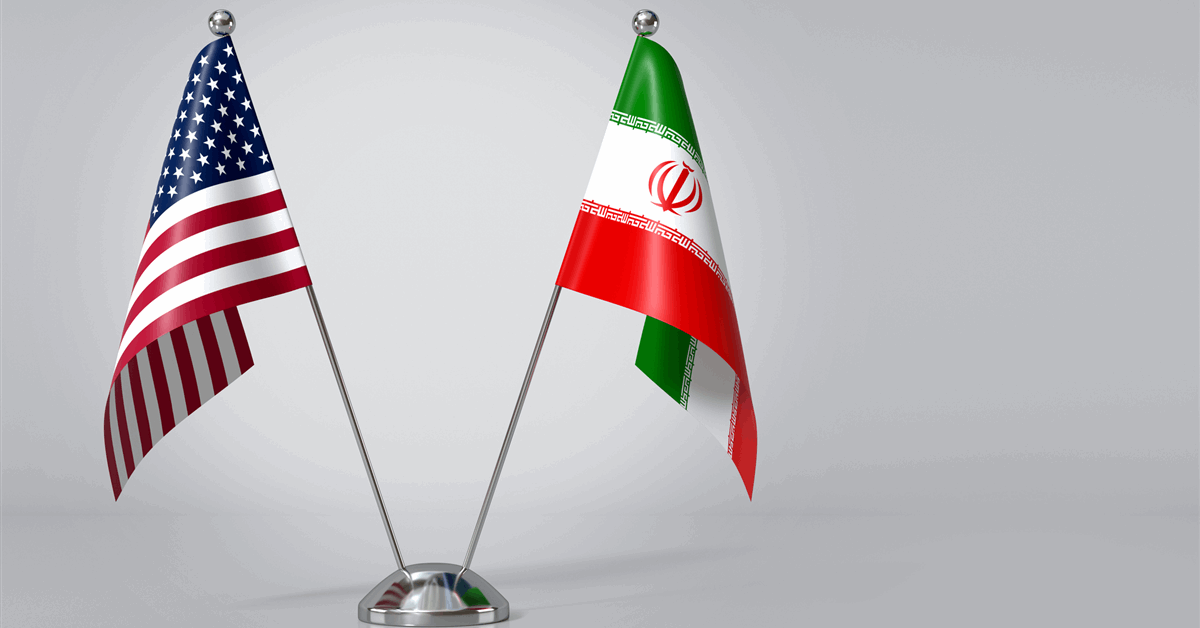
The global oil market is experiencing a significant recalibration as President Trump signals a potential diplomatic path with Iran, stepping back from earlier threats of military action. This shift, announced as he contemplates a decision on Iranian engagement within the next two weeks, has immediately injected a sense of relief into commodity markets, particularly for crude oil. While Israel continues to target Iranian nuclear facilities, the prospect of de-escalation from Washington has become the dominant narrative, prompting investors to reassess the geopolitical risk premium that has been a substantial factor in recent price volatility. For oil and gas investors, understanding the nuances of this evolving situation, coupled with key market data and upcoming events, is crucial for navigating the path ahead.
Geopolitical Tensions Recede, Oil Markets React
President Trump’s latest statement indicates a strategic pivot, opening the door for negotiations with Iran, a departure from the tough rhetoric that had suggested an imminent US strike. This measured approach, delivered amidst ongoing Israeli military actions against Iranian missile production and nuclear research sites, underscores a complex and fluid geopolitical landscape. The White House has acknowledged that US officials were preparing for potential strikes, yet the emphasis has now shifted to the possibility of diplomacy. This development has been met with an immediate and pronounced reaction in the energy markets. As of today, Brent Crude is trading at $90.38, reflecting a sharp decline of 9.07% within the day, with prices ranging from $86.08 to $98.97. Similarly, WTI Crude has fallen to $82.59, down 9.41% for the day, navigating a range of $78.97 to $90.34. This significant drop in both benchmarks far exceeds the 2.7% decline observed on Friday, indicating a deepening market conviction that the immediate risk of a broader regional conflict, and thus major supply disruptions, has substantially diminished.
The Longer View: Unpacking Volatility and Price Trends
While the immediate market reaction to Trump’s diplomatic overture is evident, it’s essential for investors to consider this within a broader context of recent price trends. Trump’s “within two weeks” pronouncements have a history of setting expectations, sometimes followed by action, sometimes not. This historical pattern suggests that while the current relief is palpable, market sentiment can swing with future developments. Looking at the 14-day Brent trend reveals a significant unwinding of the risk premium that had built up. From a high of $112.78 on March 30, Brent crude has seen a substantial correction, declining by $20.91, or 18.5%, to reach $91.87 by April 17, prior to today’s further declines. This indicates that even before the latest diplomatic signals, the market was already beginning to price out some of the extreme geopolitical risk, perhaps anticipating a less confrontational stance or factoring in other supply-demand dynamics. The current sharp daily drop, therefore, accelerates an existing trend rather than initiating a completely new one, highlighting the market’s sensitivity to perceived changes in the threat of supply disruption from the Middle East.
Investor Focus: Pricing Future Risk and Supply Dynamics
A key question on many investors’ minds, as evidenced by frequent inquiries, is “what do you predict the price of oil per barrel will be by end of 2026?” The shift towards potential diplomacy with Iran directly impacts the answer to this critical question. When geopolitical risk is high, a significant premium is built into oil prices to account for potential supply disruptions. As this risk eases, that premium begins to erode. The market is now grappling with how much of the existing price reflects fundamental supply and demand versus an elevated risk component. Another pressing concern among investors is “What are OPEC+ current production quotas?” The prospect of reduced geopolitical tension could influence future OPEC+ decisions. Should the threat of Iranian supply disruption diminish, and if global demand outlooks remain stable or soften, the impetus for OPEC+ to maintain tight production quotas might lessen. This dynamic interplay between geopolitical de-escalation and supply management will be pivotal in shaping oil price trajectories through the remainder of 2026.
Navigating the Calendar: Critical Events Ahead
The coming weeks are packed with events that will provide crucial clarity for oil and gas investors, especially in the wake of the evolving Iran situation. The immediate focus turns to the OPEC+ Joint Ministerial Monitoring Committee (JMMC) meeting on April 18, followed by the full OPEC+ Ministerial Meeting on April 19. These discussions will be critical as member countries assess the global supply-demand balance and the impact of easing geopolitical fears. A less volatile Middle East could potentially influence their decisions on production levels, making these meetings particularly impactful. Beyond OPEC+, investors should closely monitor weekly inventory data, starting with the API Weekly Crude Inventory report on April 21 and the EIA Weekly Petroleum Status Report on April 22. These reports will offer vital insights into actual supply and demand fundamentals in key markets. Further out, the Baker Hughes Rig Count on April 24 and May 1 will provide an indication of future production capacity in North America. These scheduled events, against a backdrop of potentially reduced geopolitical tension, will allow investors to gauge how real supply and demand factors are asserting themselves over purely speculative risk premiums, offering a clearer picture of the market’s fundamental health.


