

Monetary Policy Crossroads: Trump’s Rate Cut Push and the Energy Sector’s Future
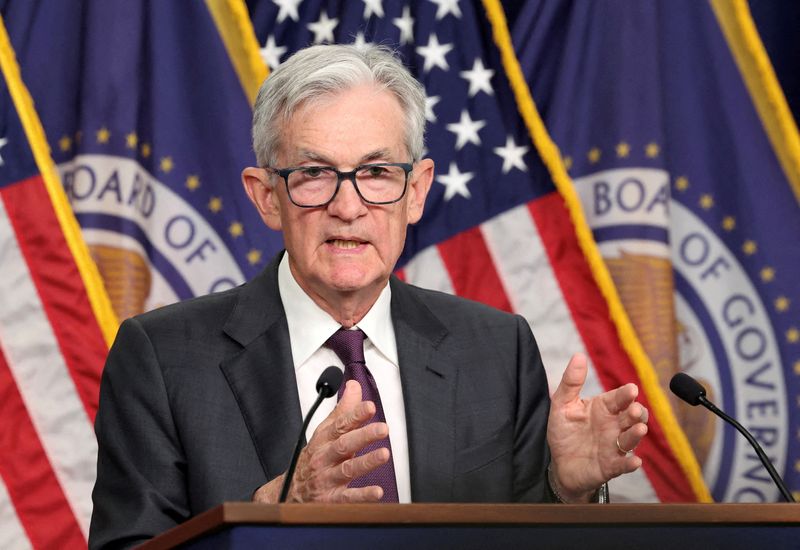
Former U.S. President Donald Trump has reignited his fervent criticism of Federal Reserve Chair Jerome Powell, intensifying calls for the central bank to slash interest rates. This persistent campaign for monetary easing, often accompanied by sharp personal attacks, highlights a fundamental divergence in economic philosophy that carries profound implications for global energy markets and the strategic decisions of oil and gas investors. The high-stakes debate over the cost of capital and economic stimulus could reshape demand trajectories and investment landscapes across the hydrocarbon value chain.
In recent public statements, Trump has unequivocally labeled Chair Powell as a “fool” and a “major loser,” asserting a lack of personal affinity and understanding on the Fed chief’s part. He has consistently championed the belief that a significant reduction in borrowing costs would act as a powerful catalyst, providing immense propulsion for the broader economy. For stakeholders within the energy sector, the prospect of such an economic acceleration holds substantial weight. A robust economy typically translates into heightened industrial activity, increased transportation needs, and broader commercial demand, all of which directly underpin consumption levels for crude oil, natural gas, and refined products.
The Federal Reserve’s Measured Stance Amidst Political Pressure
Despite the vocal political pressure, the Federal Reserve has maintained a steady and cautious course. Following its most recent policy meeting, the central bank opted to keep its benchmark borrowing rate within the 4.25%-4.50% range. This particular band has been consistently held since last December, reflecting a deliberate and measured approach to monetary policy. This decision largely aligns with broader market expectations, underscoring the Fed’s commitment to observing economic trends before implementing aggressive adjustments.
Fed Chair Powell has previously indicated that while factors such as trade tariffs could, over time, exert an influence on inflation and employment metrics, the current economic data presents little immediate evidence of such impacts requiring immediate action. This conservative outlook suggests the Fed prioritizes a clearer understanding of economic shifts, aiming to avoid any policy missteps that could trigger an “upward spiral of price pressures.” The central bank’s primary mandate remains price stability and maximum sustainable employment, guiding its incremental approach to interest rate decisions.
Trump, however, presents a starkly contrasting perspective, arguing that prevailing economic conditions unequivocally warrant immediate rate reductions. He has emphatically pointed to declining costs across various sectors, stating that “Oil and Energy way down,” alongside other everyday expenses such as groceries and eggs. This observation leads him to conclude that there is “virtually NO INFLATION,” thereby removing any impediment to aggressive monetary easing. Should this view on energy prices and overall inflation gain wider acceptance, it could significantly recalibrate investor expectations regarding future demand and supply dynamics, directly influencing the valuation trajectories of exploration and production (E&P) companies, midstream infrastructure assets, and energy service providers.
Monetary Policy’s Direct Nexus with Energy Market Dynamics
For discerning oil and gas investors, the ongoing debate surrounding interest rates is far from a theoretical exercise; it has tangible, direct implications. A landscape characterized by lower interest rates typically translates into a significantly reduced cost of capital for energy enterprises. This financial advantage makes it considerably more affordable to fund new drilling programs, expand critical pipeline networks, and invest in the burgeoning energy transition technologies that are reshaping the sector.
Such an environment could act as a potent stimulant for increased production and accelerated infrastructure development across the globe, potentially influencing overall supply levels. Furthermore, the vision of an economy experiencing substantial growth, as envisioned by Trump’s “jet-fueled” scenario, would almost certainly translate into higher aggregate energy consumption. Industrial processes, the transportation sector, and commercial enterprises would all demand more power and fuel, providing a robust bullish impetus for crude oil prices, natural gas benchmarks, and the pricing of refined products.
This dynamic directly benefits upstream E&P firms through enhanced commodity prices and improved profitability margins. Midstream operators, responsible for transporting and processing hydrocarbons, would see increased throughput volumes, bolstering their fee-based revenues. Even downstream refiners and marketers would experience a surge in demand for their end products, enhancing their operational performance. The synergy between lower capital costs and heightened demand creates a compelling investment thesis, potentially driving significant capital inflows into the energy sector.
Strategic Considerations for Energy Investors
The interplay between political rhetoric, central bank policy, and fundamental market drivers creates a complex environment for energy investors. A scenario where rates are cut aggressively could simultaneously lower the cost of bringing new supply online while stimulating demand, creating a delicate balance that investors must carefully assess. The ultimate impact on commodity prices would depend on which force—supply expansion or demand growth—outpaces the other.
Investors should closely monitor not only the Federal Reserve’s official communications but also the underlying economic data that informs their decisions. Key indicators such as GDP growth, inflation metrics, and employment figures will offer critical clues about the probable trajectory of interest rates. Furthermore, geopolitical developments, OPEC+ decisions, and global energy transition policies will continue to exert significant influence, acting as additional layers in the complex calculus of energy market forecasting.
Navigating this period requires a sophisticated understanding of macroeconomics intertwined with sector-specific fundamentals. Companies with strong balance sheets, efficient operations, and strategic hedging programs will be better positioned to capitalize on potential tailwinds or weather any headwinds. For those looking to deploy capital in the oil and gas space, the current discourse on monetary policy serves as a powerful reminder of how broader economic forces can shape the profitability and long-term viability of energy investments.
