Geopolitical Tensions Drive Persistent Risk Premium in Oil Markets
The global energy landscape remains gripped by a pervasive sense of uncertainty, with geopolitical tensions in the Middle East serving as the undeniable epicenter of market volatility. As the U.S.-Iran conflict extends into its third week, the specter of prolonged disruption to critical shipping lanes and regional stability continues to cast a long shadow over crude benchmarks. While initial shock-driven rallies have seen some correction, the underlying risk premium remains firmly embedded in prices, driven by the unpredictable rhetoric from Washington and the very real threat of supply interruptions. For astute oil and gas investors, understanding the nuanced interplay between political posturing, physical supply constraints, and market fundamentals is paramount to navigating this complex environment.
Market Snapshot: A Retreat from Peak Volatility, Yet Prices Remain Elevated
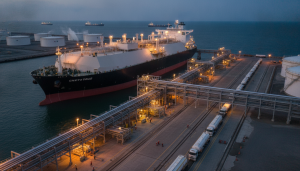
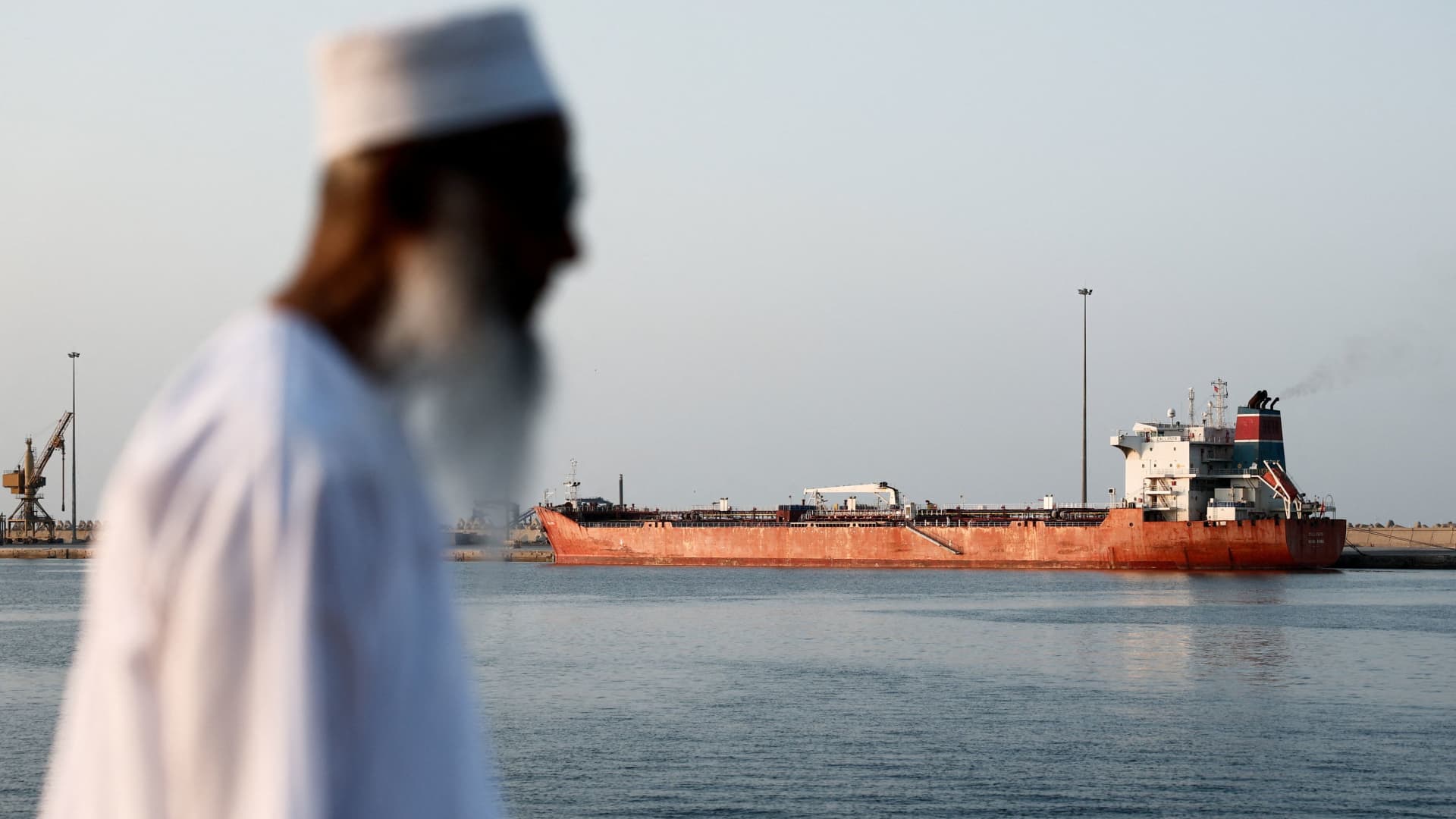
As of today, Brent crude trades at $92.76 per barrel, reflecting a modest daily decline of 0.51% within a range of $92.57 to $94.21. Similarly, U.S. West Texas Intermediate (WTI) crude is priced at $89.24 per barrel, down 0.48% after fluctuating between $88.76 and $90.71. These figures represent a notable retreat from the higher levels observed earlier in the conflict, which saw Brent surge above $100 and WTI near $96. Indeed, our proprietary 14-day Brent trend data reveals a decline of approximately 7% from its $101.16 peak on April 1st to $94.09 on April 21st, indicating that the market has begun to digest the initial shock and perhaps recalibrate expectations for a short-lived conflict. However, it is crucial for investors to recognize that current prices are still significantly elevated compared to pre-conflict levels. The continued blockade and military actions impacting the Strait of Hormuz, through which a substantial portion of the world’s seaborne oil transits, provide an enduring floor for prices. This lingering risk of a global economic shock, as voiced by Iranian military command, ensures that even with a slight pullback, the market continues to price in substantial geopolitical risk.
Trump’s Rhetoric Sustains Uncertainty, Fueling Investor Questions
The duration and intensity of the U.S.-Iran conflict are heavily influenced by the statements emanating from the White House, creating a challenging environment for investors seeking clarity. President Trump’s recent pronouncements, ranging from declarations of “unparalleled firepower, unlimited ammunition, and plenty of time” to claims that Iran was “about to surrender,” paint a picture of strategic ambiguity that prolongs market uncertainty. This inconsistent messaging directly impacts investor sentiment, which our first-party reader intent data clearly reflects. Questions like “what do you predict the price of oil per barrel will be by end of 2026?” and “is WTI going up or down?” underscore the market’s deep desire for a clear trajectory amidst the current fog of war. While some investors initially held out hope for a swift resolution – a so-called “Trump put” on global equities – the growing “nervousness,” as observed by market strategists, indicates a shift in perspective. The longer the Strait of Hormuz remains a flashpoint, the greater the potential for stagflationary pressures to take hold, compelling investors to critically re-evaluate their long-term oil price outlook and portfolio allocations.
Navigating Forward: Key Calendar Events and Supply-Side Scrutiny
Despite the release of a record 400 million barrels from the International Energy Agency’s emergency reserves and temporary waivers on Russian export sanctions, the geopolitical risk premium has proven stubbornly resilient. This highlights the market’s focus on the physical disruption potential rather than just available crude. Looking ahead, investors must closely monitor a series of critical upcoming energy events that will provide vital insights into global supply and demand dynamics. The EIA Weekly Petroleum Status Reports on April 22nd, April 29th, and May 6th will be scrutinized for changes in crude inventories, refining activity, and product demand, offering a tangible pulse on market health. Similarly, the Baker Hughes Rig Count reports on April 24th and May 1st will provide an indication of North American production response. Perhaps most impactful for forward guidance will be the EIA Short-Term Energy Outlook scheduled for May 2nd. This report will offer updated forecasts on global supply and demand, potentially adjusting expectations in light of the ongoing Middle East conflict. Any signs of unexpected inventory builds could signal demand destruction or alternative supply sources mitigating the crisis, while draws would further tighten the market. These data points are crucial for investors trying to project the performance of companies like Repsol or to refine their broader market outlook for the remainder of 2026.
Investment Outlook: Sustained Volatility and the Premium on Agility
The current environment dictates that investors maintain a heightened state of vigilance. The persistent geopolitical risk, exacerbated by President Trump’s protracted stance on Iran, ensures that oil markets will remain susceptible to sharp movements. While immediate price spikes may have partially corrected, the fundamental threat to supply stability via the Strait of Hormuz, coupled with the potential for broader regional escalation, keeps a significant risk premium baked into current prices. Investors should be prepared for continued volatility, with both upward and downward pressures being highly sensitive to breaking news and de-escalation signals. The focus for capital allocation must be on companies with strong balance sheets, diversified asset bases, and robust hedging strategies capable of weathering prolonged periods of uncertainty. The market has “never seen something of this magnitude before,” as one industry CEO recently noted, underscoring the unprecedented nature of the current challenges. As central banks potentially react to hawkish repricing in rates, the interplay between energy costs and broader economic stability will become an even more critical factor for investment decisions.