Geopolitical Crossroads: NATO, Hormuz, and the Oil Market
The strategic importance of the Strait of Hormuz has once again been thrust into the global spotlight, with the future of NATO explicitly linked to its security by former U.S. President Donald Trump. His recent statements underscore a critical juncture where geopolitical strategy, alliance commitments, and energy security intersect, creating profound implications for the oil and gas markets. As the critical chokepoint remains effectively shut by Iran amid ongoing conflict, the focus has shifted to burden-sharing among international allies, particularly European nations and China, who are significantly reliant on the Gulf’s oil flows. Investors are closely watching how these diplomatic pressures and military demands translate into real-world impacts on supply chains and, consequently, crude prices. Our analysis delves into the market’s current response, forward-looking indicators, and the pressing questions dominating investor discourse.
Market Reassessment: From Surge to Stabilization
The initial reaction to the Strait of Hormuz closure and the escalating Middle East conflict sent shockwaves through energy markets, with prices surging on fears of severe supply disruptions. However, the market has since begun to digest the implications, with crude benchmarks showing a notable recalibration. As of today, Brent Crude trades at $92.9 per barrel, reflecting a slight daily decline of 0.36%, with its day range oscillating between $92.57 and $94.21. Similarly, WTI Crude stands at $89.25 per barrel, down 0.47% for the day, having traded between $88.76 and $90.71. This current snapshot reveals a significant shift from the initial panic-driven highs. Our proprietary 14-day Brent trend data highlights this cooling: Brent has moved from $101.16 on April 1st to $94.09 on April 21st, a decline of over 7%. This suggests that while the underlying risk of prolonged disruption remains, the market has either priced in a degree of resolution, found alternative supply routes, or is awaiting further clarity on diplomatic and military responses. The question “is WTI going up or down?” from our readers illustrates the ongoing uncertainty, but current trends indicate a period of consolidation following the initial upward spike.
Investor Questions: Navigating the Geopolitical Premium
Our reader intent data reveals a keen focus among investors on the long-term price trajectory and the resilience of energy companies amidst this geopolitical backdrop. Beyond immediate price movements, a common query is, “what do you predict the price of oil per barrel will be by end of 2026?” This question underscores the critical need to understand how the Hormuz situation could permanently alter supply dynamics and global energy trade. The U.S. calls for minesweepers and direct action against “bad actors” along the Iranian shore introduce an unpredictable military dimension. This implies that the geopolitical premium embedded in crude prices could persist, even if current prices reflect a temporary calm. For integrated majors, especially European entities like Repsol, which were also flagged in investor questions, the security of their crude supply chains and their exposure to Middle Eastern crude become paramount. Investors should scrutinize company hedging strategies, diversification of supply sources, and potential investment in alternative energy projects that could mitigate the impact of prolonged instability in the Gulf. The long-term price of oil will heavily depend on the duration and resolution of this conflict, making geopolitical analysis as crucial as fundamental supply-demand models.
Forward Outlook: Key Events and Supply Resilience
The coming weeks present several critical data points for investors monitoring the energy market’s response to these geopolitical tensions. The EIA Weekly Petroleum Status Reports, scheduled for April 22nd and April 29th, will provide crucial insights into U.S. crude inventories, refinery utilization, and demand metrics. Any unexpected drawdowns or builds could signal how effectively global supply is adapting to potential or actual disruptions in the Strait of Hormuz. Furthermore, the Baker Hughes Rig Count on April 24th and May 1st will indicate the health of North American production, offering a gauge of supply-side resilience. Increased drilling activity could help offset some of the supply risk from the Middle East. Most critically, the EIA Short-Term Energy Outlook, slated for May 2nd, will offer updated supply, demand, and price forecasts, factoring in the latest geopolitical developments. This report will be essential for investors seeking an informed perspective on the “end of 2026 price” question, as it will incorporate the agency’s view on the duration and impact of the Hormuz situation. The interplay of these scheduled events with any new diplomatic or military actions regarding the Strait will dictate market sentiment and price direction in the near term.
Strategic Implications: Alliance Shifts and Energy Independence
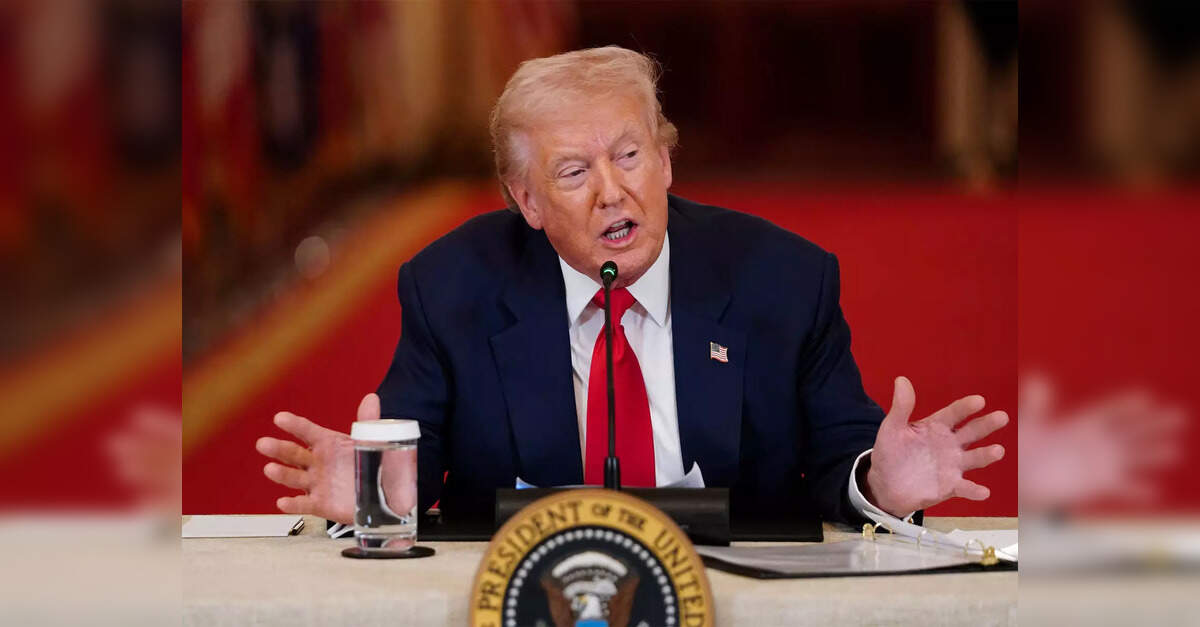
President Trump’s direct linkage of NATO’s future to European and Chinese cooperation in securing the Strait of Hormuz represents a significant strategic shift. His argument that “It’s only appropriate that people who are the beneficiaries of the Strait will help to make sure that nothing bad happens there” directly challenges the traditional security framework. For investors, this implies that the cost of energy security for Europe and Asia could rise, either through direct military contributions or increased investments in diversified energy infrastructure. This could accelerate the push towards energy independence for some nations, potentially boosting investment in renewables, LNG terminals, and domestic production capabilities. The ongoing discussions with “about seven” countries signal a multilateral approach, but the willingness of these nations to commit significant resources, particularly minesweepers and military personnel, remains a critical unknown. The outcome of these negotiations, potentially influencing future summits with leaders like China’s Xi Jinping, will shape not just the immediate future of oil flows but also the long-term geopolitical landscape and the strategic energy portfolios of nations around the globe.


