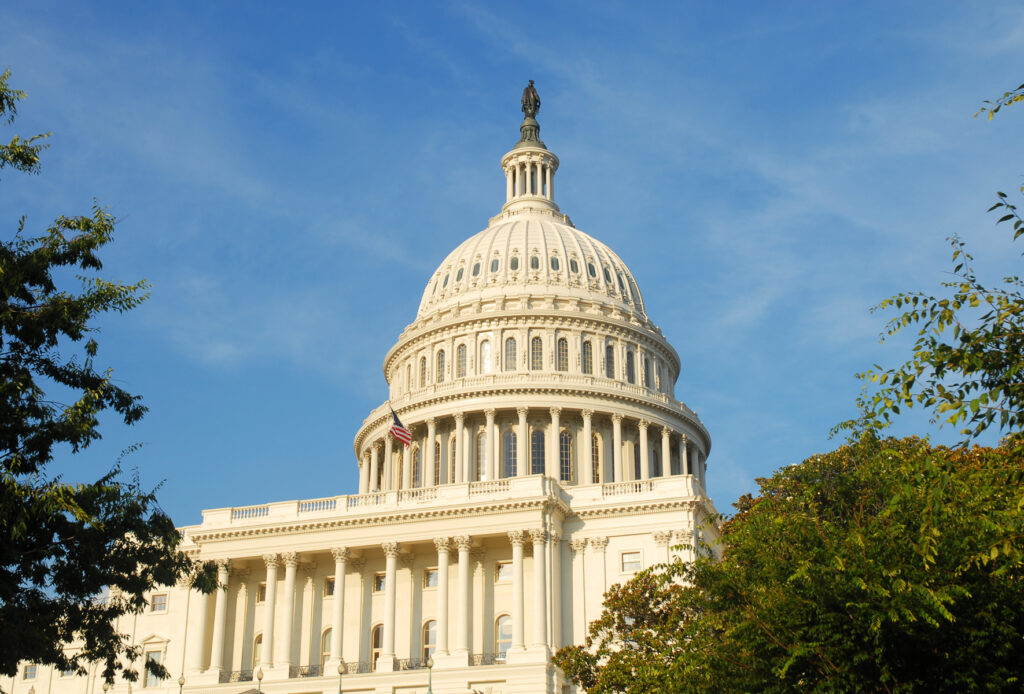
The recent passage of the 2025 tax reconciliation bill by the U.S. House of Representatives marks a significant moment for the American energy sector, potentially charting a course for enhanced domestic production and energy independence. This legislative action, championed by prominent industry associations including the National Ocean Industries Association (NOIA), the American Petroleum Institute (API), and the Independent Petroleum Association of America (IPAA), is being hailed as a critical step towards bolstering the nation’s energy future. For investors, this development signals a shifting policy landscape that could unlock new opportunities and reinforce the United States’ position as a global energy powerhouse, particularly in offshore operations and independent oil and gas production.
Policy Tailwinds Set to Boost US Energy Production
The House-approved reconciliation bill incorporates several provisions designed to invigorate the domestic oil and gas industry. Industry leaders have lauded these measures, which include preserving competitive tax policies, delaying the implementation of certain methane fees, opening critical lease sales, and advancing important progress on permitting. These combined elements are seen as vital for maintaining the Gulf of America’s strategic role as an energy hub and for reinforcing U.S. leadership in offshore energy development. For independent oil and natural gas producers, the legislation is expected to significantly improve their ability to supply reliable, affordable energy to the American populace, fostering an environment ripe for increased capital expenditure and operational expansion. While the bill includes a 10-year delay of the Methane Emissions Reduction Program (MERP), the IPAA continues to advocate for a full repeal, underscoring ongoing industry efforts to mitigate regulatory burdens and optimize production costs.
Market Volatility Meets Long-Term Optimism: Investor Considerations
Against the backdrop of these positive policy developments, the broader oil market is experiencing significant short-term volatility. As of today, Brent crude trades at $90.38 per barrel, reflecting a sharp 9.07% decline within the day, with prices fluctuating between $86.08 and $98.97. Similarly, WTI crude stands at $82.59, down 9.41%, trading in a range of $78.97 to $90.34. Gasoline prices also saw a dip to $2.93, down 5.18% on the day. This daily downturn extends a noticeable trend; Brent has retreated by $20.91, or 18.5%, from its $112.78 high just two weeks ago. This rapid market adjustment highlights the external pressures of global supply-demand dynamics and macroeconomic concerns, even as domestic policy aims to stimulate production. Our proprietary intent data reveals that investors are keenly focused on understanding the longer-term trajectory, with a frequently asked question being: “What do you predict the price of oil per barrel will be by end of 2026?” While today’s market dip reflects immediate sentiment, the legislative push for increased US output could serve as a foundational support for supply, influencing long-term price stability and investment theses for US-centric exploration and production companies.
The Road Ahead: Senate Scrutiny and Critical Calendar Events
The journey for this legislation is far from over, with the Senate now taking up the bill for consideration. Industry stakeholders are urging lawmakers to deliver a balanced reconciliation package that not only preserves essential offshore oil and gas measures but also safeguards existing offshore energy tax credits from premature repeal or phase-out. The legislative process will undoubtedly involve further debate and potential amendments, creating a dynamic environment that investors must monitor closely. Concurrently, the next two weeks are packed with critical energy market events that will provide further insight into global supply, demand, and production trends. On April 18th and 19th, the OPEC+ Joint Ministerial Monitoring Committee (JMMC) and the full Ministerial meeting will convene. These meetings are crucial, as investors will be scrutinizing any discussions or decisions regarding current production quotas, a key factor in global supply management and price direction. Following these, the API and EIA Weekly Crude Inventory reports on April 21st, 22nd, 28th, and 29th will offer fresh data on U.S. stock levels, while the Baker Hughes Rig Count on April 24th and May 1st will indicate drilling activity. These data points, combined with the ongoing legislative progress, will be instrumental in shaping near-term market sentiment and guiding strategic investment decisions.
Strategic Implications for Energy Investors
For discerning energy investors, the confluence of this legislative advancement and the evolving market landscape presents a nuanced but ultimately bullish outlook for specific segments of the U.S. energy sector. The “One Big, Beautiful Bill,” as it has been described, reinforces a commitment to domestic energy independence and innovation. By fostering a more predictable and supportive regulatory and tax environment, the legislation aims to stimulate investment across the energy value chain, from offshore exploration to independent onshore drilling. This pro-investment stance is designed to keep America at the forefront of energy innovation, attracting capital and talent. While global macroeconomic factors and OPEC+ decisions will continue to influence crude prices, the policy initiatives focused on expanding US output and reducing operational hurdles could provide a structural advantage for American energy companies. Investors should carefully evaluate companies with significant U.S. asset bases, particularly those positioned to benefit from reduced regulatory costs, increased lease sales, and streamlined permitting processes, as these elements are poised to enhance profitability and long-term growth prospects.