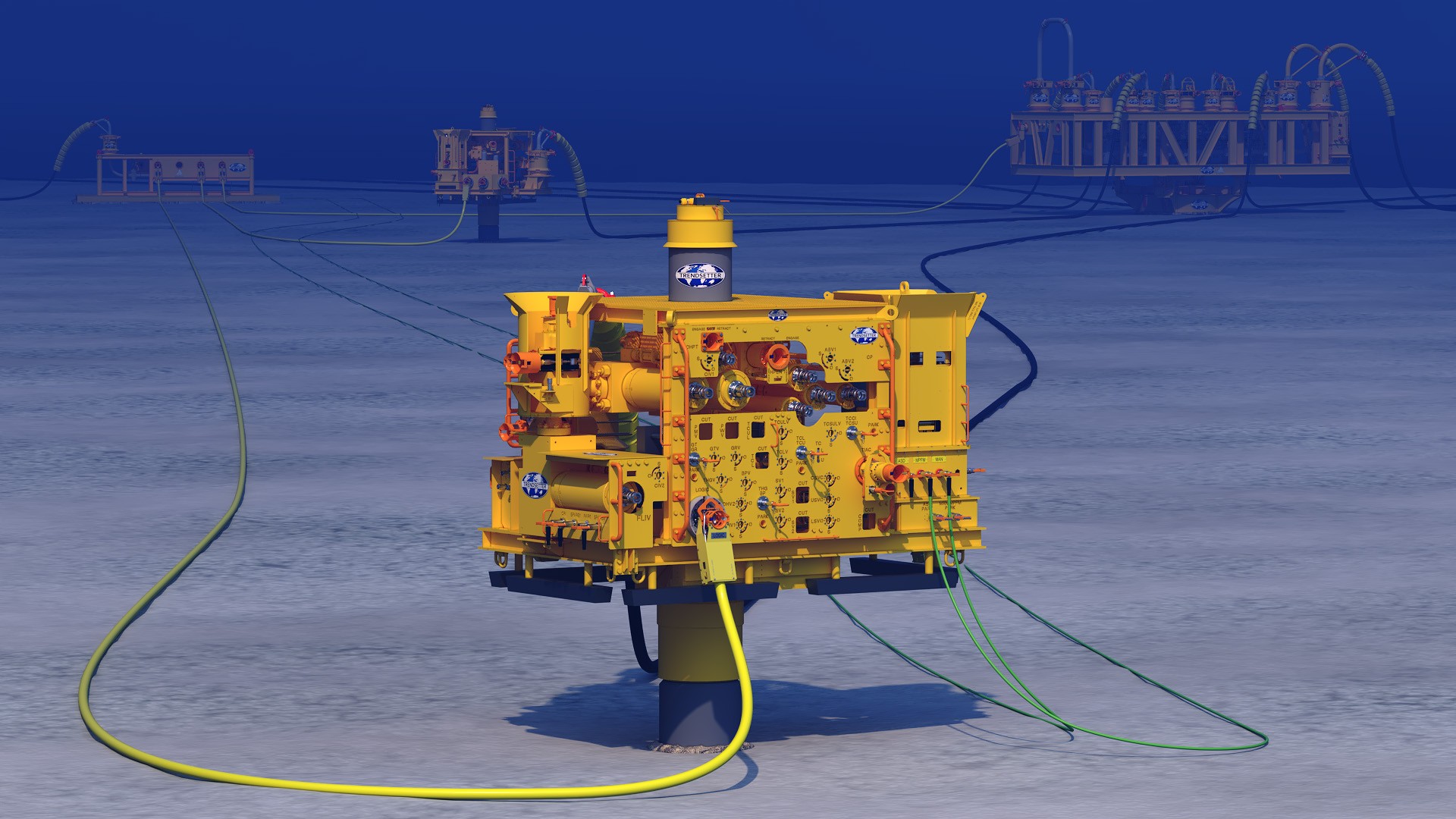
The global energy landscape continues its dynamic evolution, and amidst shifting market forces, critical infrastructure investments signal a long-term commitment to hydrocarbon production. A recent contract award to Trendsetter Engineering for the delivery of four 15K horizontal subsea tree systems, along with associated tooling and installation services, marks a pivotal moment for the Houston-based firm and offers keen insights into the strategic direction of deepwater operations in the Gulf of Mexico. This agreement, secured with a major operator in the region, is not merely a transaction; it represents a significant validation of Trendsetter’s recent expansion into the highly specialized subsea tree market, arriving on the heels of its strategic acquisition of the Innovex subsea tree product line. For investors tracking the pulse of offshore development, this move underscores a persistent, albeit carefully calculated, confidence in the economic viability of deepwater assets.
Deepwater Momentum: Trendsetter’s Strategic Expansion Pays Off
Trendsetter Engineering’s latest contract win is a testament to its strategic foresight and dedication to meeting evolving client demands within the deepwater sector. The award for four advanced 15K horizontal subsea tree systems and comprehensive installation services solidifies the company’s position as a burgeoning force in subsea production. This achievement comes at a crucial juncture for Trendsetter, following its bold entry into the subsea tree market, a move designed to broaden its service offerings and capture a larger share of complex offshore projects. By integrating the Innovex subsea tree product line, Trendsetter has expanded its capabilities to encompass the entire production flow-path, from the critical subsea tree interface all the way through the riser system connected to the host production facility. This comprehensive approach allows the company to deliver truly integrated, customer-led subsea project solutions that are meticulously tailored to maximize an operator’s ability to reliably produce oil and gas. For the major Gulf of Mexico operator commissioning these systems, the choice of Trendsetter likely reflects a desire for streamlined project execution and reduced interface risk, leveraging a partner that can manage a wider scope of the subsea architecture with proven expertise.
Navigating Market Headwinds: Subsea Investment Amidst Volatility
Such substantial deepwater infrastructure contracts are sanctioned against a backdrop of fluctuating crude prices, requiring operators and investors alike to maintain a long-term perspective. As of today, April 16th, Brent crude trades at $95.15 per barrel, reflecting a modest daily gain of 0.23% within a tight trading range of $94.42 to $95.15. Similarly, WTI crude shows a slight uptick, currently priced at $91.54. However, this immediate stability offers only a snapshot; a broader view reveals that Brent crude has experienced a notable decline of 12.4% over the past two weeks, dropping from $108.01 on March 26th to $94.58 as of yesterday. This significant price correction could naturally lead to questions about the financial prudence of major capital expenditures in the deepwater segment. Yet, the sanctioning of this multi-system subsea tree contract by a major Gulf of Mexico operator signals a robust, underlying confidence in the sustained viability and profitability of deepwater production. Operators understand that these long-cycle projects require a steadfast commitment, looking beyond immediate price fluctuations to the anticipated long-term equilibrium and the strategic importance of reliable, high-volume production from established basins like the Gulf of Mexico.
Investor Focus: Long-Term Outlook and Upcoming Catalysts
Our proprietary data indicates that investors are keenly focused on the future trajectory of crude prices, with frequent inquiries about building a base-case Brent price forecast for the next quarter and identifying the consensus 2026 Brent forecast. This long-term analytical lens is precisely what drives investment in capital-intensive subsea projects. The commitment to deploy new subsea tree systems suggests operators are aligning with a generally optimistic long-term outlook for crude prices, believing that the current dips are transient. This perspective will be heavily influenced by several key upcoming events that warrant close investor attention. The OPEC+ Joint Ministerial Monitoring Committee (JMMC) meeting on April 18th, followed by the full Ministerial meeting on April 20th, are pivotal. These gatherings will provide critical signals regarding future supply policy, directly impacting global crude price trajectories and, by extension, the economics of deepwater developments. Additionally, short-to-medium term supply-demand dynamics will be illuminated by weekly data releases, including the API Weekly Crude Inventory reports on April 21st and 28th, and the EIA Weekly Petroleum Status Reports on April 22nd and 29th. The Baker Hughes Rig Count, released on April 17th and 24th, will offer further insights into drilling activity and potential future production. Taken together, these upcoming catalysts will provide crucial data points that will either reinforce or challenge the long-term investment thesis underpinning contracts like Trendsetter’s, guiding investor expectations for Brent well into 2026 and beyond.
Integrated Solutions: A Competitive Edge in Subsea Services
Trendsetter’s strategic decision to expand its subsea production systems capabilities, now encompassing the full production flow-path from the subsea tree through the riser system, provides a significant competitive advantage in a demanding market. The company’s goal to deliver customer-led subsea project solutions tailored for maximum reliability directly addresses a core need for operators. In complex deepwater environments, minimizing project interfaces and leveraging a single, trusted provider for integrated hardware and services can drastically reduce execution risk, optimize costs, and accelerate time to first oil. As Tony Matson, Trendsetter’s Senior VP of Projects, highlighted, the company entered the subsea tree business precisely to deliver what clients and the broader market have been actively seeking. This strategy suggests a growing trend in the subsea sector towards more holistic, value-added service provision rather than fragmented component supply. For operators, this means working with a partner capable of delivering a seamless production solution, from initial design and manufacturing to installation and ongoing support. Such integrated offerings are becoming increasingly vital for unlocking the full economic potential of deepwater fields, ensuring that expensive subsea infrastructure delivers consistent, reliable production for decades.