

The global crude oil market has recently navigated a turbulent period, witnessing a significant downturn in futures prices that has reverberated across investor portfolios. West Texas Intermediate (WTI) front-month futures, a key benchmark for U.S. crude, experienced a notable decline, shedding 2.6% to settle close to the $60 per barrel mark. This price point represents its lowest closing level in over two weeks, signaling a clear shift in market sentiment and prompting a re-evaluation of short-term energy strategies.
For discerning oil and gas investors, this retreat is particularly striking as WTI is currently on track to record its most substantial monthly decline since 2021. Such a performance underscores the formidable headwinds presently challenging the energy sector, making it imperative for market participants to grasp the underlying drivers of this volatility and adjust their outlooks accordingly.
Mounting Demand Concerns Drive Price Weakness
The primary catalyst for this pronounced weakness in crude oil prices stems from an increasingly pessimistic global demand outlook. This deteriorating forecast is largely exacerbated by the persistent friction in international trade relations, which continues to cast a long shadow over economic growth prospects worldwide. Investors are meticulously scrutinizing a raft of economic indicators for clues regarding future energy consumption.
Recent U.S. consumer confidence data, for instance, revealed a significant weakening, a metric often considered a critical bellwether for impending economic activity and, by extension, future energy demand. A less confident consumer typically translates to reduced spending and investment, which can cascade into lower industrial output and transportation needs. As the market awaits crucial manufacturing data from China later this week – a nation that stands as the world’s largest crude importer – participants are bracing for further insights into the global economy’s health and its profound implications for global oil demand forecasts.
Trade Tensions Suppress Economic Vigor and Energy Appetite
The ongoing tit-for-tat tariff implementation between major global economies continues to exert a dampening effect on the economic landscape, directly impacting the demand side of the energy equation. As presidential levies create an environment of heightened uncertainty, businesses and consumers alike are compelled to revise their spending and investment blueprints. This cautious approach inevitably leads to a deceleration in overall economic activity, manifesting as reduced industrial output and a lower demand for transportation fuels.
This macro-economic backdrop inherently reduces the global appetite for industrial fuels and transportation energy, directly translating into revised, weaker crude demand forecasts. The ripple effects of prolonged trade disputes extend beyond immediate consumption, potentially altering long-term supply chain dynamics and investment in energy-intensive industries, posing a structural challenge for sustained oil demand growth.
Industry analysts, including Arne Lohmann Rasmussen, chief analyst at A/S Global Risk Management, have highlighted that recent economic growth has, to a significant extent, been artificially inflated by preemptive stockpiling and what they term “pre-tariff hoarding.” This temporary boost, driven by companies rushing to secure goods before new tariffs take effect, is now visibly fading. This suggests a potential sharp deceleration in U.S. economic growth as existing inventories are drawn down rather than stimulating fresh production, a critical cycle for oil and gas investors to monitor as it directly influences short-term price movements and the profitability of storage-focused investment plays.
Market Structure Signals Potential Supply Surplus
Beyond the macro-economic pressures, the technical structure of the oil futures market itself is echoing a cautious outlook among traders and institutional investors. A handful of spreads along the futures curve have recently shifted into contango, a market condition where prices for future delivery are higher than immediate, or spot, prices. This configuration often serves as a forward-looking indicator, suggesting an expectation of future supply surpluses as storage becomes more valuable.
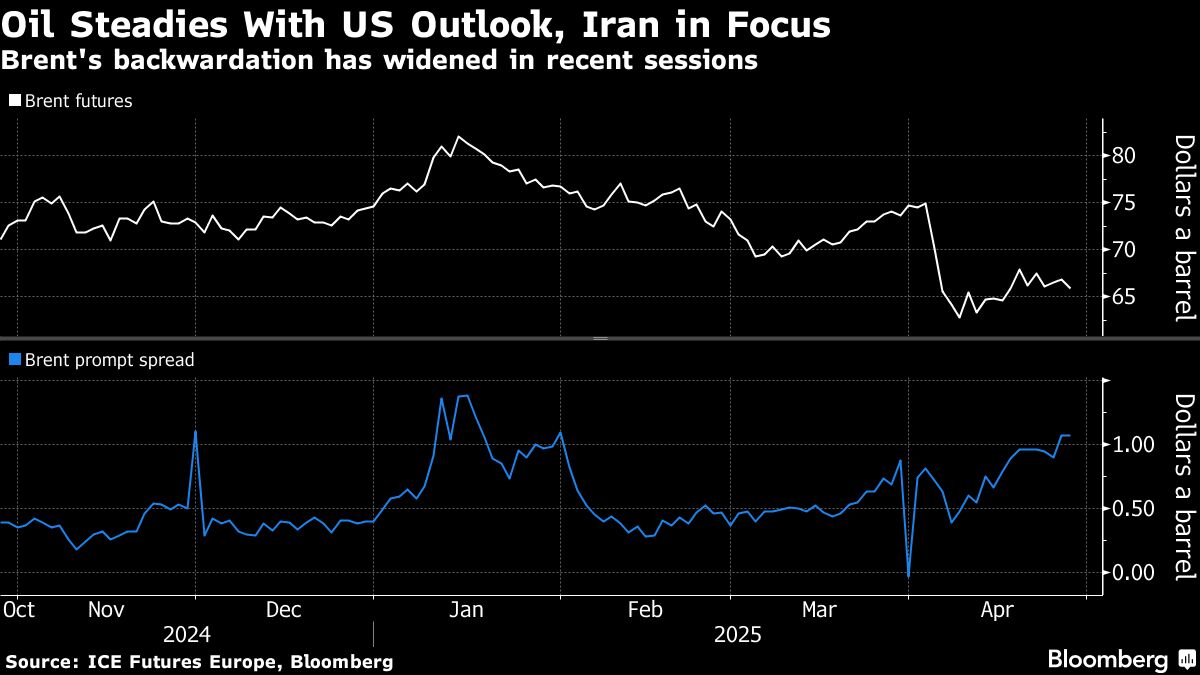
Prominent financial institutions, such as Morgan Stanley, are forecasting a “meaningful surplus” on the horizon, a view corroborated by these shifts in the futures curve. While Brent’s nearer-month contracts still surprisingly command a premium over later-dated ones—a rare instance of backwardation that holds little historical precedent—the overarching sentiment across the crude complex points towards a less constrained supply environment in the coming months.
OPEC+ Navigates Shifting Supply-Demand Dynamics
Compounding these market dynamics is the evolving stance of the Organization of the Petroleum Exporting Countries and its allies (OPEC+). Reports suggest that the influential producer group is closely monitoring the global supply-demand balance and considering potential adjustments to its output strategy. With the specter of a global supply surplus looming, any move by OPEC+ to boost production would significantly alter the market equilibrium, potentially exerting further downward pressure on crude prices.
Investors must keenly observe OPEC+’s upcoming decisions, as their collective action has historically played a pivotal role in stabilizing or disrupting energy markets. An increase in output, particularly in an environment of weakening demand, could amplify the existing concerns about oversupply, challenging the efficacy of current production cuts and potentially prolonging the period of price volatility. The interplay between fading demand, potential increases in supply, and the strategic maneuvers of major producers will define the crude oil investment landscape in the immediate future, demanding vigilant analysis and agile portfolio management.
