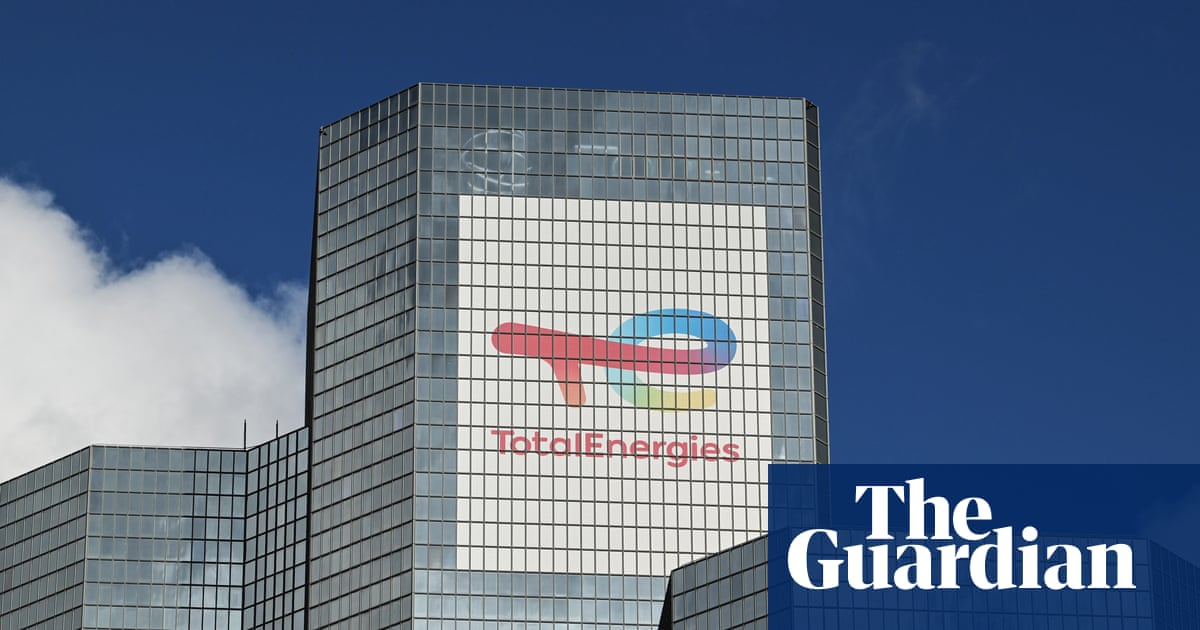
The recent French court ruling against TotalEnergies marks a watershed moment for environmental, social, and governance (ESG) scrutiny in the global energy sector. Investors can no longer view companies’ climate commitments as mere reputational endeavors; they are now tangible legal liabilities. This decision, finding the energy major engaged in “misleading commercial practices” regarding its environmental pledges, sends a clear signal that greenwashing claims will face rigorous legal challenge. For sophisticated oil and gas investors, this ruling demands a critical re-evaluation of how companies communicate their energy transition strategies, challenging them to move beyond aspirational statements to verifiable, legally defensible actions. The implications extend far beyond a single company, setting a precedent that could reshape capital allocation and risk assessment across the industry.
The French Ruling’s Ripple Effect on ESG Compliance
The Paris civil court’s judgment against TotalEnergies focused on claims related to achieving carbon neutrality by 2050 and positioning itself as a major player in the energy transition. The court ordered the company to remove these statements from its website and other corporate communications, along with declarations about placing sustainable development at the heart of its strategy and contributing to global wellbeing in line with UN goals. This ruling is particularly significant as it represents the first application of France’s “greenwashing” laws to a fossil fuel company, following similar precedents set in the Netherlands and Germany against airlines for vague environmental claims. The penalties are substantial: a daily fine of €10,000 for non-compliance, an order to publish the court’s ruling, and payments to the NGOs involved in the case.
While TotalEnergies acknowledged the judgment, noting that many claims against it were dismissed and that the ruling specifically targeted general statements on the parent company’s website rather than direct consumer advertising, the message to investors is unambiguous. The era of broad, unquantified environmental pledges is drawing to a close. Companies must now meticulously align their public declarations with their operational realities and strategic investments. For other major energy players, this ruling serves as a stark warning: expect heightened scrutiny from NGOs, regulators, and potentially even shareholders. Diligent investors will need to conduct more thorough due diligence on companies’ ESG reporting, demanding transparent, auditable pathways to stated goals, especially given the company’s stated aim to ramp up fossil gas production as a “cornerstone” strategy while also targeting 100 gigawatts of renewable power generation by 2030.
Market Volatility and Investor Sentiment Amidst ESG Headwinds
The increased legal risk associated with ESG claims arrives at a time of notable volatility in the broader energy markets. As of today, Brent Crude trades at $90.38 per barrel, marking a sharp 9.07% decline within the day, with a significant 14-day drop of nearly 20% from $112.78. WTI Crude mirrors this sentiment, now standing at $82.59, down 9.41% today. Gasoline prices have also dipped to $2.93. This market movement reflects a complex interplay of supply-demand dynamics, geopolitical factors, and growing investor caution. The TotalEnergies ruling adds another layer of uncertainty, impacting investor sentiment towards the long-term viability and risk profile of traditional fossil fuel investments.
Our proprietary data indicates a strong investor focus on future price trajectories, with many asking what the price of oil per barrel will be by the end of 2026. This forward-looking concern is now inextricably linked to the evolving ESG landscape. Companies that face increased litigation risk or are perceived as lagging in credible transition strategies may see a discount applied to their valuations, even amidst favorable commodity prices. The market is increasingly demanding not just profitability, but also demonstrable sustainability and compliance. The daily price fluctuations underscore the need for investors to factor in all potential headwinds, including the escalating legal and reputational risks associated with environmental disclosures.
Navigating the Regulatory Minefield: Upcoming Events and Strategic Shifts
The timing of the TotalEnergies ruling is particularly poignant as the energy market braces for several critical upcoming events that will shape the near-term outlook. The OPEC+ Joint Ministerial Monitoring Committee (JMMC) Meeting on April 19th, followed by the full Ministerial Meeting on April 20th, will be closely watched. Our reader intent data shows significant investor interest in OPEC+’s current production quotas, highlighting the direct link between cartel decisions and global supply. Any shifts in production policy will inevitably influence the capital allocation strategies of major energy companies, potentially forcing harder choices between investing in new fossil fuel capacity and accelerating renewable energy projects, especially under the shadow of increased greenwashing scrutiny.
Further insights into market fundamentals will come from the API Weekly Crude Inventory report on April 21st and the EIA Weekly Petroleum Status Report on April 22nd, with subsequent reports on April 28th and 29th. These data points, alongside the Baker Hughes Rig Count on April 24th and May 1st, will offer a granular view of supply, demand, and drilling activity. In a post-TotalEnergies ruling environment, investors will not only analyze these figures for market balance but also for signals on how companies are adapting their investment pipelines. The pressure to justify continued fossil fuel investments against ambitious decarbonization targets will be immense, pushing companies to articulate clearer, legally sound strategies for their multi-energy portfolios.
Investor Demands: Credibility, Transparency, and Portfolio Resilience
The TotalEnergies judgment underscores a fundamental shift in investor expectations: a demand for unwavering credibility and transparency in ESG reporting. Our proprietary data reveals that investors are not just asking about specific company performance, but also about the underlying data sources and APIs that power market information. This quest for verifiable, reliable data directly mirrors the court’s finding against TotalEnergies’ “misleading practices” – vague statements are no longer sufficient. Investors now require robust, auditable evidence of progress towards environmental goals, not just corporate rhetoric.
This heightened scrutiny will inevitably drive a bifurcation in the market. Companies that demonstrate clear, measurable, and legally defensible pathways to their stated climate goals will likely attract more capital and potentially command a premium. Conversely, those perceived as engaging in greenwashing, or failing to align their actions with their words, face not only legal repercussions but also reputational damage and a potential flight of capital. For investors building resilient energy portfolios, the focus must now be on companies with transparent governance, verifiable decarbonization strategies, and a proven track record of integrating sustainability into core business operations, rather than merely treating it as a marketing exercise. The energy transition is proving to be as much a legal and reputational battleground as it is an operational and technological one.


