
Close Menu
  • Home
  • Market News
    • Crude Oil Prices
    • Brent vs WTI
    • Futures & Trading
    • OPEC Announcements
  • Company & Corporate
    • Mergers & Acquisitions
    • Earnings Reports
    • Executive Moves
    • ESG & Sustainability
  • Geopolitical & Global
    • Middle East
    • North America
    • Europe & Russia
    • Asia & China
    • Latin America
  • Supply & Disruption
    • Pipeline Disruptions
    • Refinery Outages
    • Weather Events (hurricanes, floods)
    • Labor Strikes & Protest Movements
  • Policy & Regulation
    • U.S. Energy Policy
    • EU Carbon Targets
    • Emissions Regulations
    • International Trade & Sanctions
  • Tech
    • Energy Transition
    • Hydrogen & LNG
    • Carbon Capture
    • Battery / Storage Tech
  • ESG
    • Climate Commitments
    • Greenwashing News
    • Net-Zero Tracking
    • Institutional Divestments
  • Financial
    • Interest Rates Impact on Oil
    • Inflation + Demand
    • Oil & Stock Correlation
    • Investor Sentiment

Subscribe to Updates

Subscribe to our newsletter and never miss our latest news

Subscribe my Newsletter for New Posts & tips Let's stay updated!

What's Hot

Global oil prices may spike in next few days but calm down in longer term

March 2, 2026

Amazon Web Services Data Center Caught Fire Amid Middle East Strikes

March 2, 2026

India Boosts LPG Output as Strait of Hormuz Disruptions Threaten Global Energy Supplies, ETEnergyworld

March 2, 2026
Facebook X (Twitter) Instagram Threads
Oil Market Cap – Global Oil & Energy News, Data & Analysis
  • Home
  • Market News
    • Crude Oil Prices
    • Brent vs WTI
    • Futures & Trading
    • OPEC Announcements
  • Company & Corporate
    • Mergers & Acquisitions
    • Earnings Reports
    • Executive Moves
    • ESG & Sustainability
  • Geopolitical & Global
    • Middle East
    • North America
    • Europe & Russia
    • Asia & China
    • Latin America
  • Supply & Disruption
    • Pipeline Disruptions
    • Refinery Outages
    • Weather Events (hurricanes, floods)
    • Labor Strikes & Protest Movements
  • Policy & Regulation
    • U.S. Energy Policy
    • EU Carbon Targets
    • Emissions Regulations
    • International Trade & Sanctions
  • Tech
    • Energy Transition
    • Hydrogen & LNG
    • Carbon Capture
    • Battery / Storage Tech
  • ESG
    • Climate Commitments
    • Greenwashing News
    • Net-Zero Tracking
    • Institutional Divestments
  • Financial
    • Interest Rates Impact on Oil
    • Inflation + Demand
    • Oil & Stock Correlation
    • Investor Sentiment
Oil Market Cap – Global Oil & Energy News, Data & Analysis
Home » Thousands of toxic sites across US face risk of coastal flooding | Flooding
Climate Commitments

Thousands of toxic sites across US face risk of coastal flooding | Flooding

omc_adminBy omc_adminNovember 20, 2025No Comments4 Mins Read
Share
Facebook Twitter Pinterest Threads Bluesky Copy Link


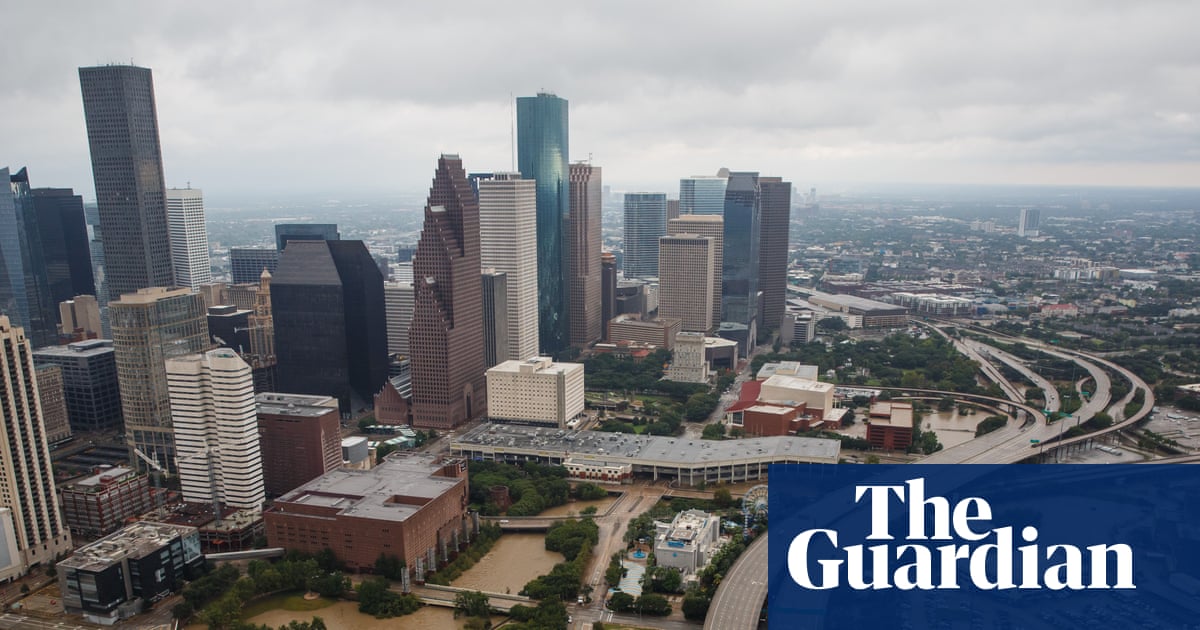
More than 5,500 toxic sites nationwide could face coastal flooding by 2100 due to rising sea levels, according to new research.

The study, published on Thursday in Nature Communications and led by scientists at the University of California, warns that if heat-trapping pollution continues unabated, rising seas will flood a wide range of hazardous facilities including those handling sewage, toxic waste, oil and gas, as well as other industrial pollutants.

The analysis relies on projections of a 1%-annual-chance flood – commonly called a 100-year flood – under two emissions scenarios: a high-emissions scenario and a lower-emissions scenario.

After examining 23 coastal states and Puerto Rico, scientists found that flood risk is far from evenly distributed. Florida, New Jersey, California, Louisiana, New York, Massachusetts and Texas account for nearly 80% of the hazardous sites expected to be at risk by 2100.

By examining over 47,600 coastal facilities across the US, more than 11%, or 5,500 facilities are projected to be at risk of a 1-in-100-year or more frequent flood event by the end of the 21st century.

The study also noted: “Restricting greenhouse gas emissions to the low emissions scenario makes little difference in terms of the number of projected sites at risk in the near term (2050) but would reduce the number of at-risk sites from 5,500 to 5,138 (a reduction of 362 or 7% of sites) in the long term.”

Moreover, it found that most of this risk is already locked in due to past emissions. By 2050, nearly 3,800 hazardous facilities are projected to face flooding threats.

The study found that under a high emissions scenario, over a fifth of coastal sewage treatment facilities, refineries and formerly used defense sites, roughly a third of power plants and over 40% of fossil fuel ports and terminals are projected to be at risk by 2100.

In addition to mapping toxic sites vulnerable to flooding, the study examined communities living nearby. It found that under a high-emissions scenario, neighborhoods with one or more at-risk facilities contain higher shares of renters, households in poverty, Hispanic residents, linguistically isolated households, car-less households, older adults and non-voters than neighborhoods without such sites.

The study added: “Racial residential segregation and the inequitable distribution of stormwater infrastructure further contribute to racialized patterns of flood risk across US cities.”

Pointing to the many health risks posed by floodwaters contaminated with industrial waste and sewage, Sacoby Wilson, a professor at the University of Maryland’s School of Public Health, outlined a range of symptoms during a press briefing about the study. These include rashes, burning eyes, headaches, fatigue and respiratory issues, as well as longer-term dangers such as cancers and organ damage to the kidneys and liver.

“Based on this research, we see that you have underlying vulnerabilities that drive risk … Think about those communities that are overburdened by those industrial hazards … or agricultural hazards like CAFOs [concentrated animal feeding operations],” Wilson said. “And so you have compounding vulnerability when it comes to their socioeconomic status, in some cases, the role of racism … and also you have a hazard vulnerability, plus you have the geographic vulnerability based the proximity to the hazard.”

Researcher Lara Cushing of UCLA’s Fielding School of Public Health said: “Flooding from sea level rise is dangerous on its own – but when facilities with hazardous materials are in the path of those floodwaters, the danger multiplies. This analysis makes it clear that these projected dangers are falling disproportionately on poorer communities and communities that have faced discrimination and therefore often lack the resources to prepare for, retreat, or recover from exposure to toxic floodwaters.”

Rachel Morello-Frosch, a researcher at UC Berkeley’s School of Public Health, said there were potential solutions “if policymakers are ready to move forward. And there is a clear need for disaster planning and land-use decision-making, as well as mitigation strategies to address the inequitable hazards and potential health threats posed by sea level rise.”

Thursday’s study comes as a number of the US’s east coast cities including New York, Baltimore and Norfolk are sinking, with subsidence linked to groundwater extraction, natural gas and building weight pressing into the ground.

It also follows a June study by the Union of Concerned Scientists that found rising sea levels, driven by climate warming, will threaten nearly 3 million Americans across 703 coastal communities. Critical infrastructure including affordable and subsidized housing, wastewater treatment facilities, schools, and hospitals could face monthly disruptive flooding by 2050, the study found.


Source link

Share. Facebook Twitter Pinterest Bluesky Threads Tumblr Telegram Email
omc_admin
  • Website

Related Posts

Winter getting shorter in 80% of major US cities, new data shows | US weather

February 27, 2026

Trump officials move to kill system that protects US from chemical disasters | US Environmental Protection Agency

February 27, 2026

US ‘bullying’ could scupper carbon levy on shipping, warn experts | Shipping emissions

February 26, 2026
Add A Comment
Leave A Reply Cancel Reply

Top Posts

Federal Reserve cuts key rate for first time this year

September 17, 202513 Views

Inflation or jobs: Federal Reserve officials are divided over competing concerns

August 14, 20259 Views

Oil tanker rates to stay strong into 2026 as sanctions remove ships for hire – Oil & Gas 360

December 16, 20258 Views
Don't Miss

Global oil prices may spike in next few days but calm down in longer term

By omc_adminMarch 2, 2026

Kurt Abraham, Editor-in-Chief, World Oil Well, just when you thought that the global oil market…

Oil tankers attacked near Strait of Hormuz as Iran conflict disrupts shipping

March 1, 2026

OPEC+ to boost oil production 206,000 bpd as Iran conflict threatens supply

March 1, 2026

Oil prices forecast to jump despite Opec+ pledge to raise output

March 1, 2026
Top Trending

ESG Today: Week in Review

By omc_adminMarch 1, 2026

Winter getting shorter in 80% of major US cities, new data shows | US weather

By omc_adminFebruary 27, 2026

Trump officials move to kill system that protects US from chemical disasters | US Environmental Protection Agency

By omc_adminFebruary 27, 2026
Most Popular

The 5 Best 65-Inch TVs of 2025

July 3, 202515 Views

AI’s Next Bottleneck Isn’t Just Chips — It’s the Power Grid: Goldman

November 14, 202514 Views

The Layoffs List of 2025: Meta, Microsoft, Block, and More

May 9, 202510 Views
Our Picks

PDVSA, African Energy Chamber sign MoU to boost oil and gas investment

March 1, 2026

Talos Losses Deepen | Rigzone

March 1, 2026

Tankers Halt Near Hormuz After Attacks

February 28, 2026

Subscribe to Updates

Subscribe to our newsletter and never miss our latest news

Subscribe my Newsletter for New Posts & tips Let's stay updated!

Facebook X (Twitter) Instagram Pinterest
  • Home
  • About Us
  • Advertise With Us
  • Contact Us
  • DMCA
  • Privacy Policy
  • Terms & Conditions
© 2026 oilmarketcap. Designed by oilmarketcap.

Type above and press Enter to search. Press Esc to cancel.