Thailand has taken a decisive step in the global energy transition with the final investment decision (FID) for its inaugural carbon capture and storage (CCS) development. This move by a key Southeast Asian player signals a maturing market for decarbonization technologies and presents a tangible new opportunity for investors tracking the energy sector’s evolution. The project, centered at the Arthit field, is not merely an environmental initiative; it is a strategic maneuver designed to future-proof natural gas operations, meet national climate targets, and establish Thailand as a regional leader in carbon management, paving the way for further investment and technological adoption.
The Arthit CCS Project: A Strategic First Mover
The Arthit CCS project represents a significant commitment, earmarking an investment of THB 10 billion, equivalent to approximately $320 million, over a five-year horizon. This substantial capital allocation underscores the project’s strategic importance. With a targeted carbon dioxide storage capacity of one million metric tons annually, to be gradually achieved, the initiative aims for its first injection by 2028. Critically, the plan leverages existing infrastructure at the producing Arthit field, a smart approach that mitigates initial development risks and optimizes cost efficiency. Management has assured that this CCS development will not impede the field’s natural gas production, ensuring continued energy supply while simultaneously addressing emissions. Extensive studies have already laid the groundwork, including meticulous site selection with reservoirs identified at depths between 1,000 and 2,000 meters, comprehensive engineering design, and robust measurement, monitoring, and verification programs. This methodical preparation highlights a commitment to long-term operational integrity and environmental efficacy, setting a precedent for future CCS endeavors in the region.
Policy Tailwinds and Future Hub Potential
The Arthit CCS Project enjoys strong governmental backing, positioning it as a flagship initiative for greenhouse gas emissions reduction under Thailand’s Nationally Determined Contribution (NDC) Action Plan. The nation’s ambitious goal to cut emissions by 30 percent relative to 2025 levels by 2030, as outlined in its updated 2022 NDC submission to the United Nations, provides a powerful regulatory tailwind for such projects. Crucially, the government is actively considering measures and investment support, including potential tax incentives, which could significantly enhance the project’s economic viability and attract further capital. This strategic support transforms the project from a standalone effort into a cornerstone of a broader national decarbonization strategy. Beyond Arthit, the vision extends to cultivating expertise and driving wider CCS adoption, particularly through the proposed Eastern CCS Hub in the Northern Gulf of Thailand. This prospective hub, with its substantial potential to contribute to the country’s Net Zero target, is already gaining momentum. In December 2023, a significant agreement was inked to study the carbon storage potential in the Northern Gulf, involving international partners like the Japan Organization for Metals and Energy Security (JOGMEC) and INPEX Corp, alongside the Thai Department of Mineral Fuels. Furthermore, earlier foundational steps include the formation of Thailand’s CCUS Technology Development Consortium in July 2022 and a feasibility study for the Eastern Thailand CCS Hub with PTT Group companies, commencing in June 2022. As the industry keenly awaits updates from the upcoming OPEC+ meetings on April 18th and 20th, which will shape global oil supply dynamics, the strategic importance of diversification into low-carbon solutions like CCS becomes even more apparent for national energy security and long-term economic competitiveness.
Investor Focus: De-risking and Value Creation
The increasing investor scrutiny on energy transition initiatives is palpable. Our proprietary intent data reveals a growing curiosity around the underlying models and data sources powering market responses, with questions like “What data sources does EnerGPT use?” and “What model powers this response?” becoming common. This heightened demand for transparency and robust data validation extends directly to evaluating new energy transition opportunities like CCS. The question “Why should I invest in this new energy venture?” is effectively answered by the Arthit project’s potential to de-risk future operations and unlock new revenue streams within a carbon-constrained economy. For oil and gas companies, investing in CCS addresses critical environmental, social, and governance (ESG) concerns, mitigating future carbon pricing risks and enhancing long-term license to operate. By pioneering CCS, Thailand is creating a blueprint for other regional players, demonstrating a pathway for existing infrastructure to support new low-carbon ventures. Furthermore, the company’s engagement in overseas CCS studies, such as at the Lang Lebah field in Malaysia, signals a broader, strategic commitment to carbon management as a core future business segment, not just a compliance exercise. This global outlook reassures investors of the strategic depth and long-term vision behind these decarbonization efforts.
Market Context and Investment Implications
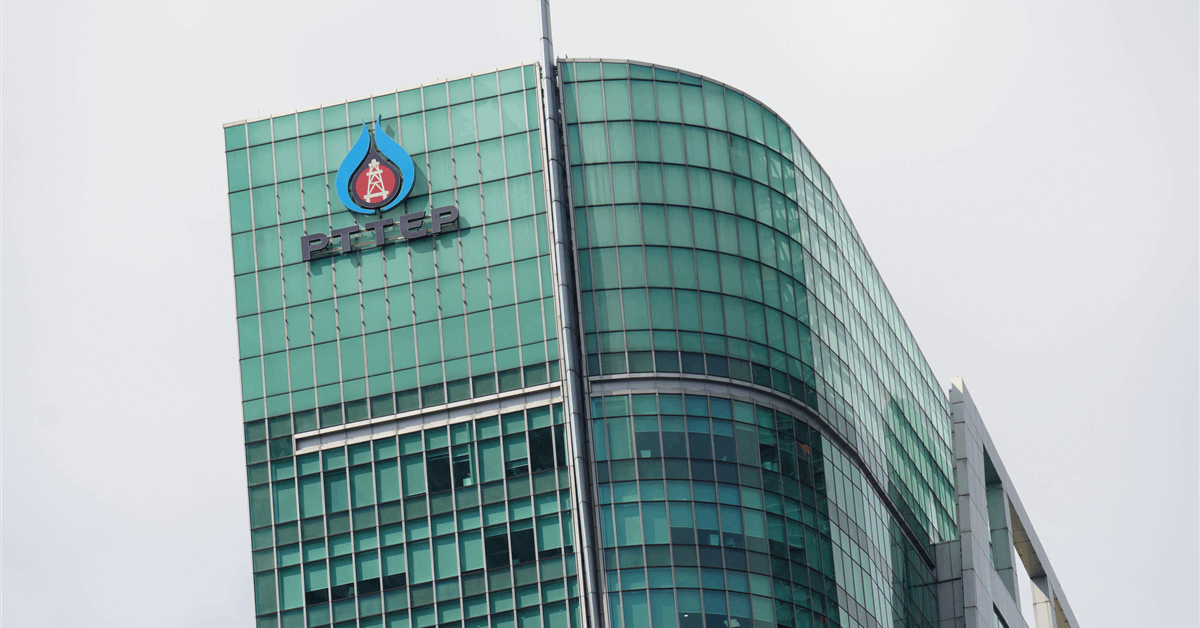
The current commodity market provides a pertinent backdrop for evaluating this investment. As of today, Brent crude trades at $98.41, reflecting a 0.99% dip, while WTI sits at $90.13, down 1.14%. This modest daily decline follows a more significant 12.4% pullback in Brent over the past two weeks, dropping from $112.57 on March 27th to $98.57 on April 16th. While these movements represent short-term volatility, they underscore the inherent unpredictability of hydrocarbon prices. In this environment, strategic investments in areas like CCS offer a crucial hedge. By developing a fixed-cost, long-term carbon management capacity, companies can future-proof a portion of their revenues against commodity price swings and evolving carbon regulations. For PTTEP, this $320 million investment is not just about reducing its own carbon footprint; it’s about building a new capability that could eventually serve other industrial emitters in Thailand’s Eastern Economic Corridor. This creates a potential new revenue stream from carbon storage services, diversifying its business model beyond traditional upstream activities. Such diversification becomes increasingly attractive as the global energy landscape continues to pivot towards decarbonization, making companies with robust energy transition strategies more resilient and appealing to long-term investors.


