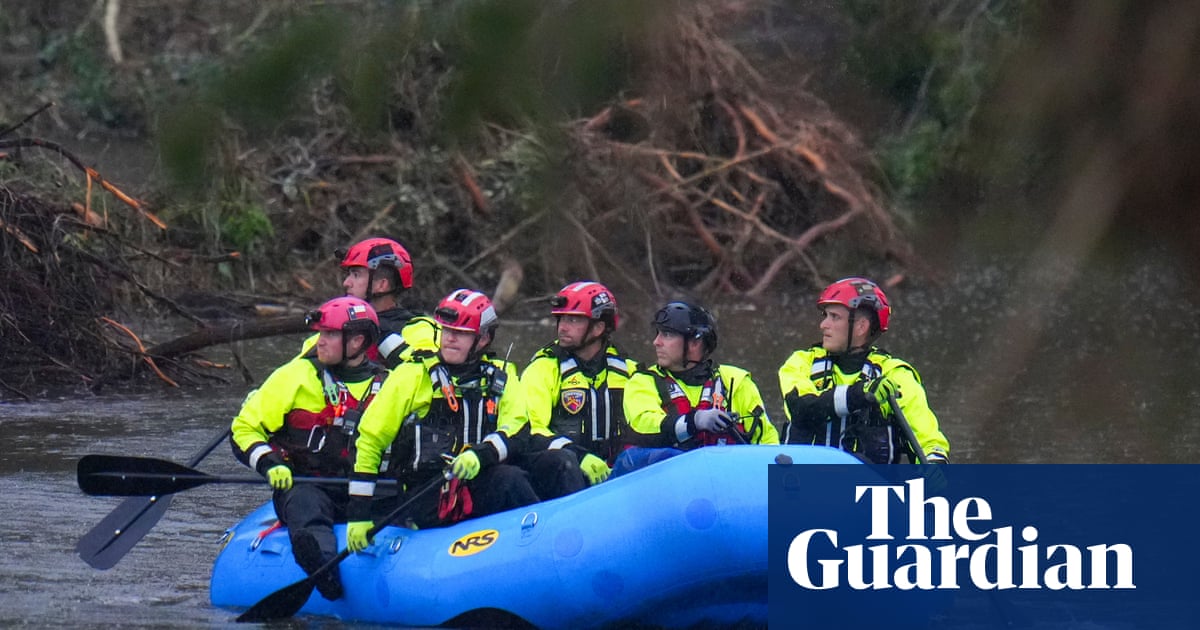
The energy landscape in Texas faces renewed scrutiny as severe flash flooding across central parts of the state triggers widespread devastation and raises critical questions for oil and gas market participants. While the immediate human tragedy, marked by confirmed fatalities exceeding 82 and ongoing search efforts, remains paramount, investors must assess the potential ripple effects on the state’s unparalleled energy infrastructure. The extreme weather event, characterized by the Guadalupe River surging 26 feet in just 45 minutes after intense downpours north of San Antonio, underscores the vulnerability of vital energy assets to increasingly volatile climatic conditions.
Texas: A Cornerstone of Global Energy Supply
Texas stands as the undisputed heartland of the U.S. oil and gas industry and a pivotal player in global energy markets. The state commands massive crude oil and natural gas production, primarily from the Permian Basin, Eagle Ford Shale, and other prolific regions. Beyond extraction, Texas hosts an extensive network of pipelines crisscrossing its vast terrain, transporting hydrocarbons to refining complexes along the Gulf Coast. These refineries represent a significant portion of the nation’s processing capacity, feeding domestic demand and facilitating substantial exports of refined products. Any significant disruption within Texas can send tremors through global supply chains, impacting crude oil prices, natural gas futures, and the availability of gasoline, diesel, and other essential products.
Upstream Operations: Assessing the Flood Risk
While the most intense flooding reported in areas like Kerr County’s Hill Country may not directly impact the largest producing fields of West Texas, the sheer scale and intensity of the weather event serve as a crucial indicator for upstream operators. Flash floods, even in non-production zones, can severely disrupt logistics, including the transportation of personnel, equipment, and produced oil and gas. Road closures, bridge damage, and saturated ground conditions impede access to well sites and slow down critical maintenance and drilling activities. Companies with operations in central and eastern Texas, or those reliant on transport routes through affected areas, must diligently monitor conditions to prevent operational bottlenecks and ensure worker safety. Investors are keenly watching how E&P firms manage such weather-related challenges, which can translate into temporary production curtailments or increased operating costs.
Midstream and Downstream Vulnerabilities to Extreme Weather
The midstream sector, responsible for the vast network of pipelines, storage facilities, and processing plants, faces direct threats from severe flooding. River crossings, like those spanning the Guadalupe River, are particularly vulnerable to unprecedented water levels and erosion, potentially compromising pipeline integrity. While no major energy infrastructure breaches have been reported in the immediate aftermath, the risk of damage to buried lines, pumping stations, or compressor facilities remains a significant concern. Downstream, the Gulf Coast refining complex, while not directly impacted by these specific inland floods, is no stranger to extreme weather events. However, widespread heavy rainfall across the state can affect the flow of crude feedstock to these facilities and disrupt the distribution of refined products via pipeline, rail, and truck, creating bottlenecks in the supply chain.
Supply Chain Disruptions and Market Implications
Investors recognize that disruptions in Texas, even localized ones, carry disproportionate weight due to the state’s outsized role in energy supply. Any impediment to the smooth flow of crude from production basins to refineries, or the efficient distribution of products to end-users and export terminals, can introduce volatility into energy markets. Traders closely monitor weather forecasts and infrastructure status reports, anticipating potential supply constraints or demand shifts. While the current floods do not signal an immediate threat of widespread outages comparable to a major hurricane, the event reinforces the persistent risk factor of severe weather in key energy geographies. A federal disaster declaration for Kerr County, while primarily focused on community recovery, can also pave the way for expedited federal assistance that could benefit the rapid repair or reinforcement of any indirectly affected energy infrastructure.
Investor Outlook: Navigating Climate Risk in Energy Portfolios
For investors, the Texas floods serve as a stark reminder of the escalating importance of integrating climate risk into energy portfolio analysis. Companies demonstrating robust resilience strategies, including diversified asset bases, advanced weather monitoring systems, and comprehensive emergency response plans, stand to outperform during periods of environmental stress. Evaluating a company’s capex allocation towards infrastructure hardening and its approach to operational continuity planning becomes increasingly critical. Furthermore, the broader narrative of climate change influencing weather patterns suggests that such extreme events may become more frequent, necessitating a long-term view on risk mitigation for any entity heavily invested in the Texan energy sector. Monitoring government responses, insurance market reactions, and the specific impact on publicly traded energy companies with assets in the affected regions remains essential for informed investment decisions.
As recovery efforts continue and communities rebuild, the oil and gas industry in Texas, and its stakeholders globally, must remain vigilant. The recent floods highlight not just the immediate operational challenges but also the ongoing imperative to adapt and fortify critical energy infrastructure against the powerful forces of nature. Savvy investors will prioritize companies that proactively address these systemic risks, ensuring long-term stability and value creation in an increasingly unpredictable world.


