

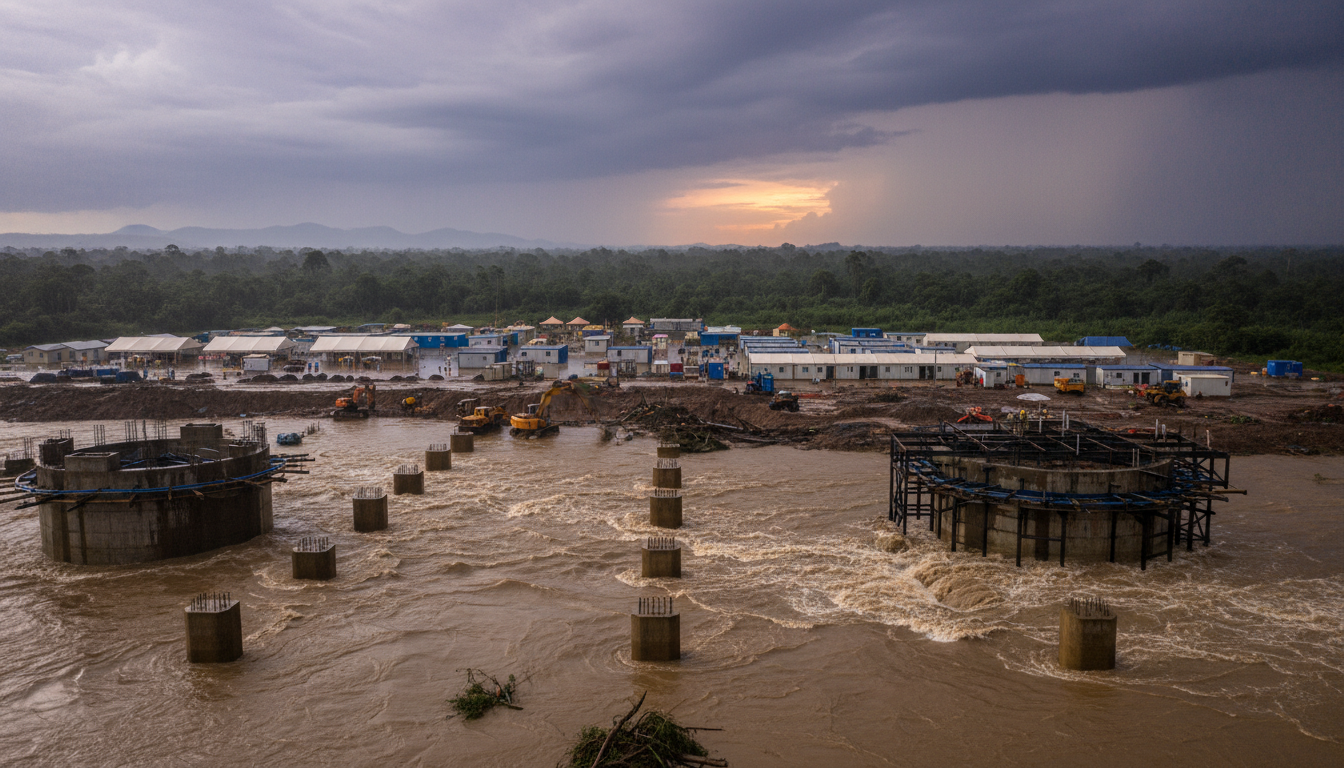
East Africa’s Torrential Rains Signal Elevated Risk for Energy Investments
The East African region is currently grappling with a severe humanitarian crisis, as persistent heavy rainfall and devastating landslides have claimed scores of lives across multiple nations. For oil and gas investors, these unfolding events underscore the escalating operational risks and supply chain vulnerabilities inherent in a region poised for significant energy sector growth. While the immediate focus remains on humanitarian aid, the financial implications for infrastructure, project timelines, and regional stability demand careful consideration from capital market participants.
Tanzania’s Emerging Energy Hub Faces Climate Headwinds
In Tanzania, a nation increasingly vital to East Africa’s energy future, authorities confirm at least 20 fatalities due to landslides triggered by torrential downpours in recent days. The Mbeya region, specifically the Rungwe district, bore the brunt of these events, where intense precipitation and powerful winds led to widespread destruction of homes early on Wednesday. Among the deceased was a tragically young child, just a year and a half old, highlighting the devastating human cost. Local administrators have issued urgent warnings, advising residents in zones prone to landslides to evacuate, as meteorological forecasts predict continued heavy rainfall. This climate volatility introduces a critical layer of uncertainty for the nation’s burgeoning energy sector, including significant natural gas and potential liquefied natural gas (LNG) export projects, which rely heavily on robust infrastructure and stable operational environments. Investors must factor in the potential for project delays, increased construction costs, and challenges in maintaining logistical routes for equipment and personnel amidst such extreme weather events.
Kenya’s Critical Logistics Under Strain
Neighboring Kenya, a pivotal transit hub for commodities including refined petroleum products destined for landlocked East African nations, is experiencing its seasonal flooding with unprecedented intensity. The current crisis has resulted in at least 88 fatalities, severely impacting 21 counties, with at least two major rivers overflowing their banks since the onset of heavy rains earlier this month. The sheer scale of these floods has brought into sharp focus the vulnerabilities of critical infrastructure and the preparedness of communities situated along riverine areas. The deployment of military personnel to bolster emergency rescue services underscores the severity of the situation. For energy companies and commodity traders, these widespread disruptions translate into significant supply chain risks. Road closures, damaged bridges, and potential impacts on port operations can impede the movement of vital supplies, drive up transportation costs, and affect delivery schedules for both inbound and outbound energy-related cargo. Maintaining operational continuity and ensuring the timely delivery of fuels becomes a formidable challenge, directly impacting profitability and regional energy security.
Broader Regional Impact and Future Projections
The wave of climate-induced disasters extends beyond Tanzania and Kenya. Southern Ethiopia reported at least 80 deaths from landslides earlier in March, further illustrating the pervasive nature of these environmental threats across the wider East African landscape. A recent forecast from the Climate Prediction and Applications Centre, part of the intergovernmental development body IGAD, projects a 45% probability of above-average rainfall across most of the region during the crucial March-May rainy season. This outlook suggests that countries from Uganda to Djibouti could face similar challenges, creating a broad front of potential disruption for energy exploration, development, and logistics. This long-range forecast amplifies concerns for oil and gas investors regarding long-term planning, infrastructure resilience, and the economic stability of key markets within East Africa. The cumulative impact of such events can strain national budgets, divert resources, and potentially slow down the pace of economic development, indirectly affecting energy demand growth.
Investment Implications: Assessing Climate Risk in East African Energy
For investors actively engaged in or considering the East African oil and gas sector, these recurring and intensifying climate events represent a material risk factor that transcends immediate humanitarian concerns. The implications span several critical areas:
-
Infrastructure Vulnerability: The integrity of essential energy infrastructure, including pipelines, storage facilities, and transportation networks (roads, rail, ports), is directly threatened by landslides, flooding, and extreme weather. Damage to these assets can lead to costly repairs, prolonged outages, and significant operational expenditure.
-
Logistical Disruptions: Supply chain resilience is paramount. Delays in moving equipment, materials, and skilled personnel to project sites, or the distribution of refined products to markets, can severely impact project timelines and operational efficiency, leading to cost overruns and revenue losses.
-
Project Financing and Insurance: The increasing frequency and severity of climate-related events are likely to influence financing terms and insurance premiums for energy projects in the region. Lenders and insurers will increasingly price in these environmental risks, potentially raising the cost of capital.
-
Operational Health and Safety: Extreme weather conditions elevate risks for personnel in remote exploration and production areas, impacting workforce availability and necessitating enhanced safety protocols, which in turn affect operational costs.
-
Long-Term Stability and ESG Considerations: Persistent climate crises can undermine economic growth and social stability, creating a less predictable operating environment. Moreover, environmental, social, and governance (ESG) factors are increasingly scrutinized by global investors, placing greater emphasis on climate resilience and disaster preparedness in investment decisions for the East African energy sector.
While East Africa continues to offer compelling opportunities for oil and gas investment, particularly in its rich natural gas reserves, the growing frequency and intensity of climate-related disasters demand a robust and forward-looking risk assessment. Energy companies and their financial backers must prioritize investments in resilient infrastructure, adaptive operational strategies, and comprehensive climate risk management to navigate these evolving challenges effectively and safeguard long-term value in this dynamic region.
