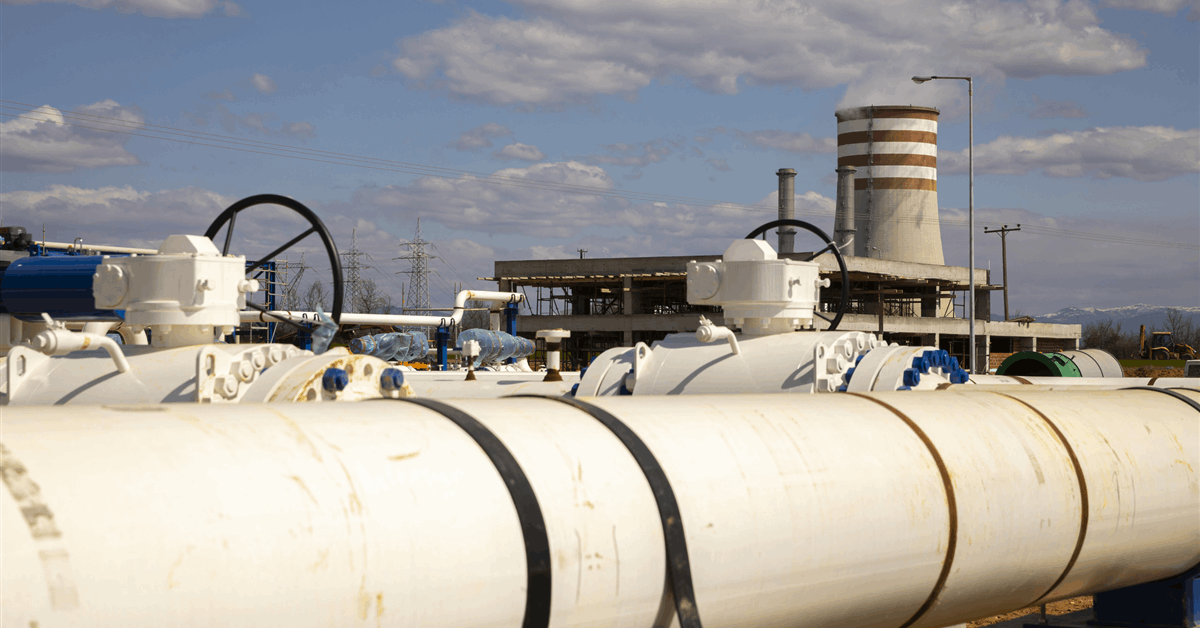
Kansas City-based energy infrastructure giant, Tallgrass, has announced a significant stride in its Permian Basin expansion strategy, securing crucial anchor shipper precedent agreements for a planned natural gas pipeline. This strategic development is poised to enhance the flow of vital energy resources from the nation’s most prolific oil and gas region, reinforcing the company’s midstream market position and offering a compelling outlook for investors tracking the sector’s evolution.
The firm transport commitments received for the new Permian pipeline are robust enough to “financially justify construction of the pipeline project,” according to the company. This marks a critical de-risking step for the substantial capital outlay required for such an undertaking. With a target in-service date slated for late 2028, the project remains subject to customary regulatory and corporate conditions and approvals, standard for infrastructure developments of this magnitude. The pipeline is designed to transport an impressive volume of natural gas, with an initial capacity reaching up to 2.4 billion cubic feet (Bcf) per day.
Permian Gas: Fueling Diverse U.S. Markets
The Permian Basin continues to generate immense volumes of associated natural gas, often creating takeaway capacity constraints. Tallgrass’s new pipeline directly addresses this market need, planning to gather gas from various points within the Permian for onward transmission. A cornerstone of its delivery strategy involves connecting to the existing Rockies Express Pipeline (REX), a sprawling 1,700-mile artery that Tallgrass operates, stretching from Blanco County in Colorado all the way to Monroe County in Ohio. This connection is not merely logistical; it’s a strategic move to leverage established infrastructure and broaden market access for Permian gas.
Beyond the REX connection, Tallgrass is actively exploring additional delivery points, signaling an ambition to maximize the pipeline’s reach and flexibility. This flexibility is key to serving what Tallgrass describes as “multiple major markets that are key hubs of activity for industrial, agricultural, and technological development and innovation.” The company specifically highlights the growing demand driven by reshoring initiatives, policies promoting U.S. agriculture, and the escalating power needs of artificial intelligence (AI) infrastructure. For investors, this diversified market access strategy underscores the long-term utility and revenue potential of the asset, positioning it against a backdrop of evolving U.S. energy consumption patterns.
Furthermore, the new pipeline integrates into Tallgrass’s broader vision for a decarbonized energy future. Upon commencing service, the transported natural gas will also be able to access the company’s approximately 800-mile decarbonization pipeline network. This integration offers consumers of new natural-gas-fired power generation and industrial gas users an immediate and financially viable pathway to meet their growing energy demands while simultaneously pursuing decarbonization objectives through CO2 capture and sequestration, and the utilization of clean hydrogen. This dual-pronged approach showcases Tallgrass’s commitment to both conventional energy transport and the burgeoning energy transition market.
Pioneering Carbon Capture: Tallgrass’s CO2 Pipeline Initiative
In parallel with its Permian expansion, Tallgrass is making significant strides in the carbon capture and sequestration (CCS) space. The company is actively converting an existing natural gas pipeline, which has been operational for over a decade, to transport carbon dioxide to its dedicated sequestration site under development in Wyoming. This repurposed infrastructure is designed to handle an impressive capacity of over 10 million tons of CO2 annually, sourced from industrial emitters across Colorado, Nebraska, and Wyoming.
This initiative represents a tangible commitment to reducing industrial carbon footprints and unlocking new revenue streams in the environmental commodities market. Investors should note the expected commercial operation of this converted pipeline as early as this year, positioning Tallgrass as an early mover in large-scale CO2 transport and sequestration. The rapid deployment of this asset highlights the company’s agility in adapting its existing infrastructure for new, high-growth energy transition markets, offering a compelling narrative for those focused on sustainable investing within the energy sector.
Strategic Partnerships Driving Decarbonization Value
Further cementing its leadership in carbon management, Tallgrass announced on February 13 the signing of definitive agreements to connect POET LLC’s biorefinery in Fairmont, Nebraska, to its CO2 pipeline network. This partnership is a prime example of how industrial collaboration can drive decarbonization and create value across the supply chain.
The capture and sequestration of bioCO2 from POET’s bioethanol production process is a critical step in lowering the carbon intensity of the final bioethanol product. This reduction in carbon intensity is not just an environmental benefit; it’s a market differentiator, opening new opportunities and creating tangible value for Nebraska’s corn growers and bioethanol producers. The joint statement emphasized that by facilitating the transport and sequestration of bioCO2, POET not only benefits its farmer suppliers but also, under the Trailblazer Community Benefits Agreement, provides additional direct funding to landowners who host the pipeline infrastructure and the communities that support these vital projects. This community-centric approach enhances project viability and strengthens local stakeholder relationships, a key factor for long-term infrastructure success.
Investor Outlook: A Dual Strategy for Growth
Tallgrass’s latest announcements paint a clear picture of a company strategically navigating both the traditional and transitional energy landscapes. By securing anchor shippers for its Permian gas pipeline, it solidifies its position in crucial fossil fuel transportation, addressing immediate energy demand and regional takeaway challenges. Simultaneously, its aggressive pursuit of carbon capture and sequestration through the repurposed CO2 pipeline and the significant POET partnership positions it at the forefront of the decarbonization movement.
For investors, this dual strategy offers a balanced growth profile. The Permian project promises sustained revenue from a robust natural gas market, while the CO2 initiatives tap into the rapidly expanding environmental services sector, driven by increasing regulatory pressures and corporate sustainability goals. Tallgrass is not merely participating in the energy transition; it is actively shaping it by leveraging existing assets and developing new ones that serve both current energy needs and future environmental mandates. This forward-looking approach, combined with concrete project milestones and strategic partnerships, underscores Tallgrass’s potential for resilient growth and long-term value creation in a dynamic global energy market.


