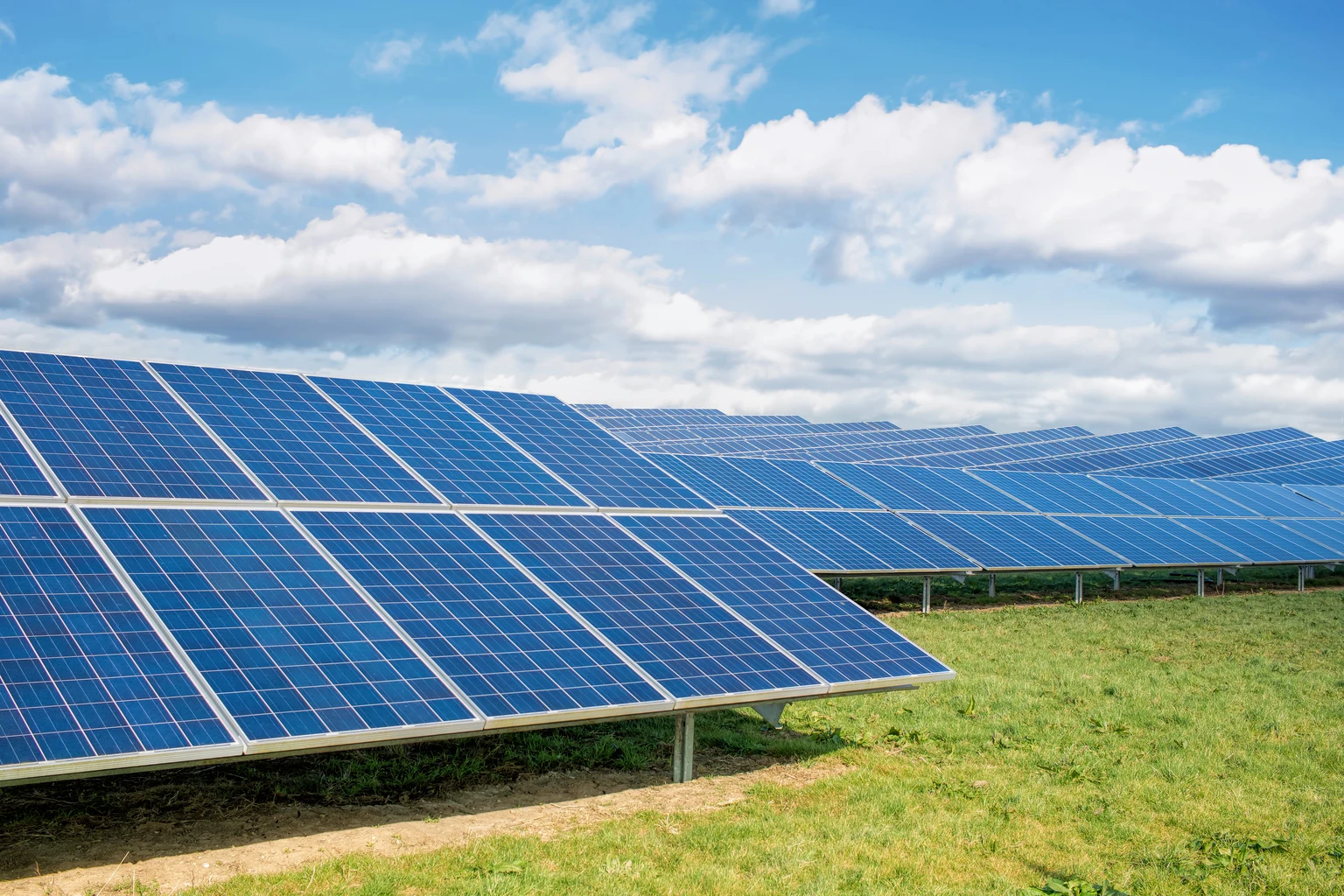
The energy investment landscape is undergoing a profound transformation, with strategic shifts in supply chains and domestic manufacturing now playing a pivotal role in project viability. While traditional oil and gas markets continue to grapple with geopolitical dynamics and demand fluctuations, the clean energy sector, particularly U.S. solar, is seeing accelerated growth driven by robust federal policy and renewed focus on local content. A recent 900MW solar module supply agreement between Treaty Oak Clean Energy and T1 Energy Inc. exemplifies this trend, signaling a critical de-risking mechanism for large-scale renewable projects and offering a compelling case for investors seeking stability amidst broader market volatility. This deal, spanning three years, underscores the increasing importance of vertically integrated domestic production, particularly as federal trade rules tighten and incentives favor American-made components.
The Strategic Imperative of Domestic Solar Manufacturing
The core of the T1 Energy agreement lies in its strategic alignment with evolving U.S. energy policy. By committing to supply 900MW of solar modules over three years, T1 Energy is not just fulfilling a demand; it’s actively strengthening the domestic solar supply chain. These modules will incorporate cells produced at T1 Energy’s under-construction G2_Austin facility, targeting more than 60% domestic content by late 2026. This threshold is crucial for eligibility for various federal incentives and significantly reduces exposure to Foreign Entity of Concern (FEOC) compliance risks and tariff uncertainties that have historically plagued imported components. For investors, this translates directly into enhanced project bankability and reduced long-term operational risk for utility-scale solar developments across the United States. T1 Energy’s existing 5GW module facility in Dallas, coupled with the G2_Austin site’s phased build-out to 5.3GW, demonstrates a clear commitment to an integrated domestic manufacturing footprint, positioning the company as a key player in a de-risked clean energy future.
Navigating Broader Energy Market Headwinds and Tailwinds
While the momentum in domestic solar manufacturing builds, the wider energy market presents a mixed picture that shapes investor sentiment and capital allocation. As of today, Brent Crude trades at $90.18, reflecting a -0.28% dip in a day range that spanned $93.87 to $95.69. Similarly, WTI Crude stands at $86.65, down -0.88% within its daily range of $85.5 to $87.47. This snapshot follows a significant correction, with Brent having fallen from $118.35 on March 31st to $94.86 on April 20th, representing a substantial 19.8% decline in just 14 days. Such volatility naturally leads investors to question the future direction of oil prices, a sentiment often captured in queries about whether “WTI is going up or down.” This uncertainty in traditional energy markets highlights the appeal of investments like the T1 Energy deal, which offer greater predictability through long-term contracts and policy support. The stability offered by domestic supply chain security in renewables acts as a compelling tailwind, contrasting sharply with the often unpredictable headwinds of global crude markets.
Policy-Driven Growth and the Future of Energy Infrastructure Investment
The timing of the T1 Energy deal is not coincidental; it directly reflects the structural realignment driven by U.S. industrial and trade policy. The commitment to achieving over 60% domestic content by late 2026, as the G2_Austin facility ramps up production, positions these projects to fully capitalize on federal incentives. This forward-looking approach is critical for investors assessing long-term value. Looking ahead, key events on the energy calendar will continue to influence overall market sentiment and capital flows. The upcoming OPEC+ Joint Ministerial Monitoring Committee (JMMC) Meeting on April 21st, 2026, for instance, will provide crucial insights into supply-side management, potentially impacting the trajectory of crude prices. Similarly, the EIA Weekly Petroleum Status Reports on April 22nd and April 29th, 2026, along with the Baker Hughes Rig Count on April 24th and May 1st, 2026, offer granular data on U.S. production and inventory levels. These traditional market indicators, alongside the EIA Short-Term Energy Outlook on May 2nd, 2026, will collectively shape investor expectations, including the frequently asked question about “what the price of oil per barrel will be by end of 2026.” However, as deals like T1 Energy’s demonstrate, the policy-driven growth in renewables offers a parallel, increasingly stable investment avenue, diversifying exposure beyond the inherent volatility of fossil fuel markets.
Investment Implications: De-risking Clean Energy Portfolios
For discerning investors, the T1 Energy agreement signals a maturing clean energy market where policy support and domestic manufacturing are tangible de-risking elements. This move by Treaty Oak Clean Energy to secure a long-term, domestically sourced module supply improves financing certainty for large-scale solar projects. By mitigating supply chain risks, reducing exposure to fluctuating import tariffs, and ensuring compliance with stringent federal content rules, these projects become inherently more attractive to capital providers. The vertical integration strategy of T1 Energy, from cell production at G2_Austin to module assembly, provides an unparalleled level of origin traceability and quality control, further bolstering investor confidence. This approach not only supports the ambitious build-out of U.S. renewable capacity but also creates a blueprint for stable, predictable returns in the clean energy sector. Investors should view such agreements as a strong indicator of a resilient and growing segment of the energy market, offering a compelling alternative or complement to traditional oil and gas investments in a world increasingly focused on energy transition and domestic economic resilience.


