Geoengineering: The Unseen Variable Threatening Energy Market Stability
For decades, oil and gas investors have navigated a complex landscape of supply-demand fundamentals, geopolitical tensions, and the gradual shift towards lower-carbon energy. Yet, a new, potentially cataclysmic variable is emerging from the scientific fringes: solar geoengineering. While presented as a possible last resort against escalating global heating, the prospect of deliberately manipulating Earth’s climate introduces an unprecedented layer of risk and uncertainty into energy markets. Our analysis indicates that uncoordinated or abruptly halted geoengineering efforts could unleash environmental havoc, disrupting critical energy infrastructure, skewing demand patterns, and fundamentally altering the risk profile of hydrocarbon assets. This isn’t a distant theoretical problem; it’s a nascent instability factor demanding immediate attention from astute investors.
The Double-Edged Sword: Amplifying Existing Volatility
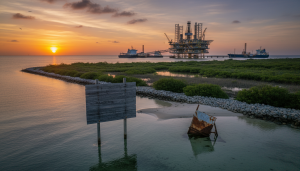
The scientific community’s exploration of solar geoengineering, such as injecting aerosols into the stratosphere, reveals a stark dichotomy: potential global cooling if deployed uniformly and for centuries, versus severe regional climate disruptions if implemented by disparate actors or for shorter durations. The latter scenario presents a profound threat to market stability. Imagine, for instance, an increase in the ferocity of North Atlantic hurricanes, a direct risk to offshore production platforms and coastal refining capacity. Such events, or even the perception of their increased likelihood due to geoengineering, would send shockwaves through commodity markets.
As of today, Brent Crude trades at $90.38, reflecting a significant downturn of 9.07% within the day, with a range stretching from $86.08 to $98.97. This snapshot of a volatile market, already reeling from a nearly 20% drop from $112.78 just two weeks ago, underscores how quickly investor sentiment can shift. Geoengineering introduces a new, highly unpredictable force that could amplify these swings. A regionally disruptive deployment could trigger localized supply shocks or demand destruction, making current market volatility seem mild by comparison. The potential for sudden, unforecastable changes to weather patterns in key production or consumption hubs adds a layer of systemic risk that traditional market models struggle to quantify, challenging the very bedrock of long-term investment planning.
Navigating Policy Paralysis and Rogue Actor Risks
Our proprietary intent data reveals that investors are keenly focused on understanding future oil prices, with questions like “what do you predict the price of oil per barrel will be by end of 2026?” dominating queries. However, traditional forecasting models, which typically analyze supply-demand curves and geopolitical events, are ill-equipped to factor in the potential for uncoordinated geoengineering. The prospect of “rogue actors” deploying climate-altering technology without global consensus or scientific oversight introduces a truly unmodellable risk. Such unilateral action could trigger not only environmental chaos but also severe geopolitical tensions, impacting trade routes, energy alliances, and investment flows.
Furthermore, the risk of a “termination shock” – a rapid temperature spike of 1-2°C within decades if geoengineering is abruptly halted without emission reductions – poses an existential threat to long-term energy planning. This scenario could lead to unprecedented demand shifts, infrastructure failures, and societal upheaval that would dwarf any current market concerns, including those around OPEC+’s production quotas, a frequent topic of investor inquiry. The implications for long-term capital allocation in the oil and gas sector are profound, requiring investors to consider risks far beyond conventional financial metrics.
Upcoming Events and Geopolitical Crossroads
The immediate future for energy markets is punctuated by critical traditional events. This week alone, the OPEC+ JMMC Meeting on April 19th and the subsequent Ministerial Meeting on April 20th will set the tone for global oil supply management. Following these, the API and EIA Weekly Crude Inventory reports on April 21st and 22nd, respectively, will provide crucial insights into short-term supply and demand dynamics. These events are the bread and butter of energy market analysis, but they operate within a framework of relatively predictable variables.
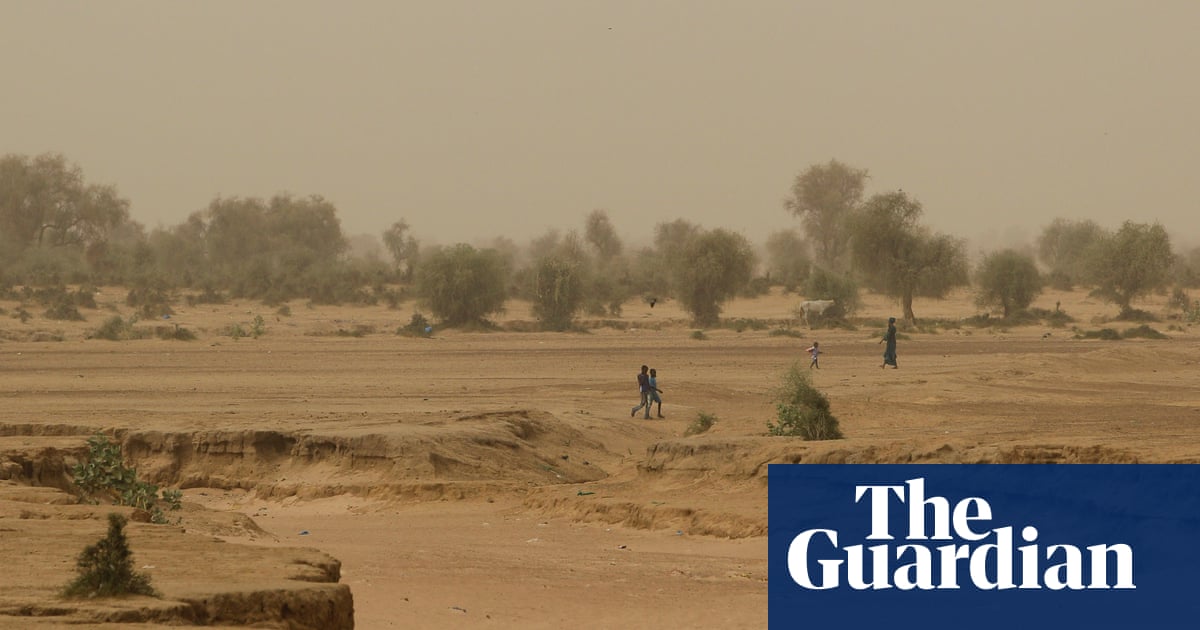
The specter of geoengineering, however, casts a long shadow over this predictability. How would an OPEC+ meeting address a significant, geoengineering-induced drought in a major agricultural region, impacting biofuels demand, or a hurricane surge crippling Gulf of Mexico production? Such events, previously considered extreme natural disasters, could become direct consequences of human intervention. The Baker Hughes Rig Count reports on April 24th and May 1st, typically indicative of future production, could become less relevant if climate manipulation fundamentally alters the viability of drilling operations in certain regions or shifts global energy consumption patterns. Investors must begin to integrate the potential for these unprecedented, human-triggered climate events into their forward-looking risk assessments, recognizing that traditional market signals could be overwhelmed by the scale of such disruptions.
Investment Resilience in an Age of Intervention
The emerging discourse around geoengineering compels oil and gas investors to rethink fundamental assumptions about market stability and risk. While the technology promises a potential hedge against global heating, its uncoordinated deployment could unleash a new era of unprecedented volatility, localized environmental disasters, and geopolitical friction. For investors, this translates into a heightened need for portfolio resilience.
Strategies should focus on diversification across geographies and energy segments, with an increased emphasis on assets less vulnerable to extreme weather events or sudden shifts in regional climate. Hedging against commodity price volatility and supply chain disruptions becomes even more critical. Furthermore, monitoring international policy developments around climate intervention and identifying companies with robust adaptive capacities – both in terms of operational resilience and strategic flexibility – will be paramount. Ultimately, geoengineering does not address the root cause of emissions, meaning the underlying demand for fossil fuels will persist, but within a global climate system potentially made far more unpredictable by human design.