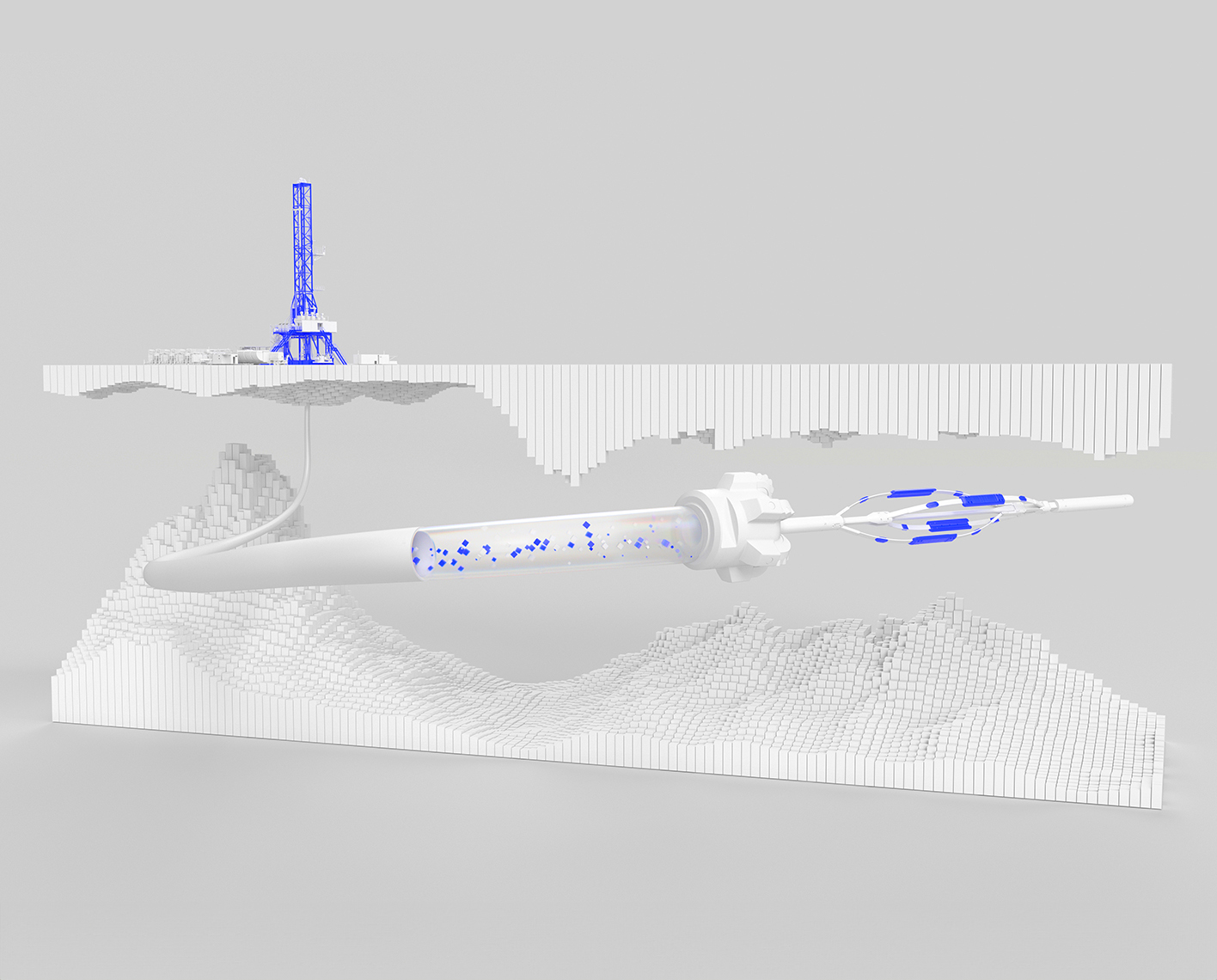
In the dynamic and often volatile landscape of global energy markets, technological innovation remains the sharpest edge for E&P operators seeking to optimize performance and maximize shareholder value. SLB’s recent introduction of the OnWave autonomous logging platform marks a significant leap forward in formation evaluation, promising a new era of efficiency and reliability in downhole data acquisition. This cable-free system, designed to operate autonomously in any well condition, represents more than just an incremental improvement; it signals a fundamental shift in how critical reservoir insights are gathered, with profound implications for operational costs, well safety, and ultimately, investment returns in the oil and gas sector.
Efficiency Becomes Paramount in a Shifting Price Environment
The imperative for operational efficiency has rarely been stronger, especially when observing the recent market movements. As of today, Brent crude trades at $90.38, marking a significant 9.07% decline within the day, and a substantial 18.5% drop from its $112.78 high just weeks ago on March 30th. WTI similarly reflects this downward pressure, now at $82.59, down 9.41% today. This rapid softening of prices underscores the critical need for E&P companies to drive down costs and enhance productivity across their asset portfolios. Technologies like OnWave, which drastically cut down on operational time and risk, become invaluable in such an environment. The platform’s demonstrated ability to reduce landing time to total depth by 70%—as seen in a complex South Texas well, from hours to just 27 minutes—translates directly into millions of dollars saved in rig time and operational expenditure. In a market where every dollar counts, such gains are not merely beneficial; they are essential for maintaining profitability and investor confidence.
Autonomous Logging: Reshaping Downhole Operations and Data Quality
The core innovation of the OnWave platform lies in its fully autonomous, cable-free design. By eliminating the need for a traditional wireline unit and cable, the system reduces deployment time by more than half compared to conventional methods. More critically, its cable-free operation allows for drill pipe rotation and mud circulation during logging, significantly enhancing well safety and mitigating the risk of costly stuck pipe events. This capability, combined with the platform’s autonomous execution of tasks typically performed manually by surface engineers—including borehole measurement acquisition and real-time data quality checks—represents a step-change in operational workflow. The system’s constant communication with the surface for tool position and functionality verification is a crucial differentiator, building confidence in data integrity and proactively preventing expensive remedial logging runs. The resulting high-fidelity measurements provide integrated petrophysics and acoustic insights, empowering operators to refine stimulation and completion designs, and ultimately derisk field development.
Investor Focus: Capital Allocation and Future Market Signals
Our first-party intent data reveals that investors are keenly focused on the future trajectory of oil prices, with questions like “what do you predict the price of oil per barrel will be by end of 2026?” dominating inquiries. There’s also significant interest in specific company performance, such as “Repsol’s performance in April 2026,” and broader capital deployment strategies. In this context, technologies like OnWave directly address investor concerns by enabling more efficient capital allocation. By reducing the time and cost associated with well construction and optimizing reservoir understanding, operators can extract more value from their investments, whether in new exploration or enhanced recovery from existing fields. Looking ahead, the next two weeks hold critical insights that will undoubtedly influence these investment decisions. The upcoming OPEC+ Joint Ministerial Monitoring Committee (JMMC) meeting on April 18th, followed by the full Ministerial meeting on April 19th, will be closely watched for any shifts in production quotas – a key driver for investor sentiment. Further, the API and EIA weekly inventory reports on April 21st/22nd and April 28th/29th, alongside the Baker Hughes Rig Count on April 24th and May 1st, will provide crucial supply-demand signals. In anticipation of these market-moving events, the ability to deploy capital more effectively through technological advancements offers a strategic advantage.
Strategic Advantage Through Enhanced Decision-Making and Risk Mitigation
The strategic value of OnWave extends beyond mere time and cost savings. The platform’s ability to acquire multiple, high-fidelity measurements autonomously across diverse basins—from the United States to the Middle East—provides E&P operators with an unprecedented level of detailed reservoir understanding. This data-driven approach allows for more informed decisions throughout the entire well life cycle, from initial exploration to production and recovery. Better insights into subsurface conditions lead to optimized well placements, more effective completion strategies, and ultimately, higher recovery factors. Moreover, the enhanced safety features, such as enabling drill pipe rotation and mud circulation during logging and minimizing stuck pipe events, translate directly into reduced operational risks and improved environmental performance—factors increasingly scrutinized by investors. The ability to deploy the platform in any well trajectory without the need for an onsite SLB crew further amplifies operational flexibility, streamlining logistics and lowering project execution costs. This combination of superior data quality, enhanced safety, and operational efficiency positions operators utilizing such autonomous platforms for a significant competitive advantage in the race for profitable energy production.