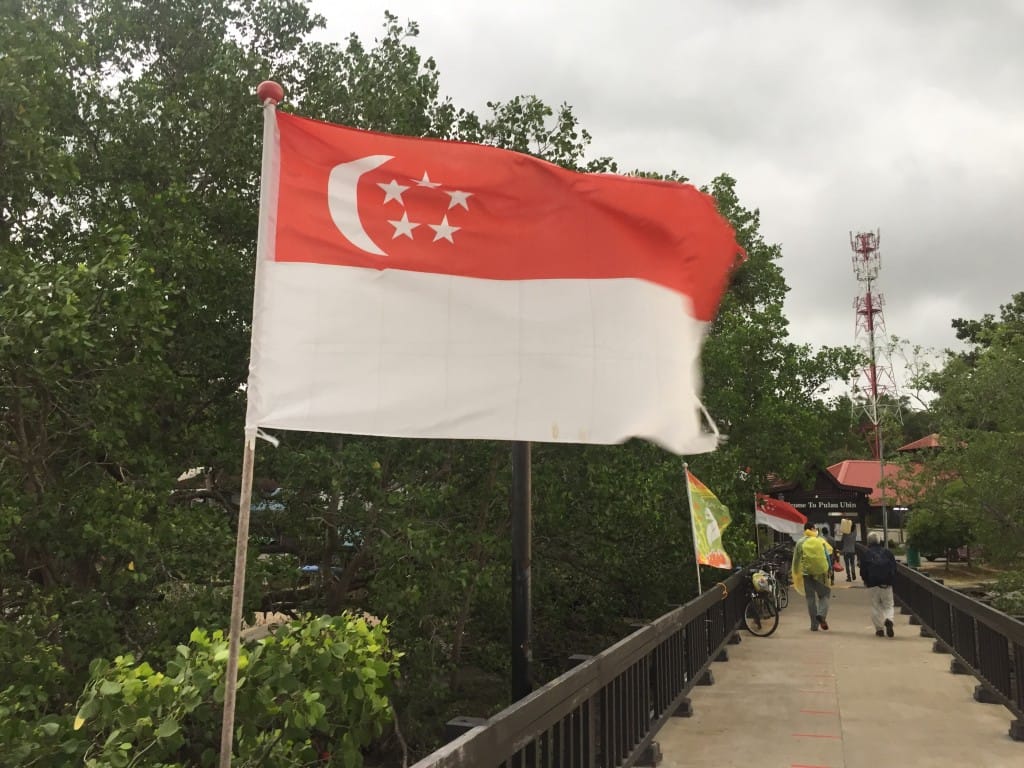
Singapore is rapidly solidifying its position as a critical node in the global carbon credit landscape, demonstrating a clear commitment to fostering integrity and transparency in this burgeoning market. The recent appointment of three independent firms—BeZero Carbon Ltd, Calyx Global, Inc, and Sylvera Ltd—to provide rigorous assessments of carbon-credit methodologies and projects under its official framework is a landmark move. This strategic decision by the National Environment Agency (NEA) is not merely administrative; it’s a powerful signal designed to bolster investor confidence, enhance the credibility of cross-border carbon credits, and ultimately strengthen the foundational architecture of the Article 6 market. For oil and gas investors, understanding the evolution of such frameworks is paramount, as they directly impact compliance costs, ESG strategies, and the long-term viability of carbon-intensive operations.
Deepening Trust in the Carbon Offset Ecosystem
The structured depth Singapore is bringing to its carbon-credit offset regime is commendable. The NEA’s announcement on November 7, 2025, detailing the selection of BeZero, Calyx, and Sylvera to form a ratings panel, is a direct response to the growing demand for verifiable and high-quality carbon offsets. These firms, chosen after a competitive tender process launched in May 2025, bring specialized ratings capabilities for assessing both methodology design and project implementation. This move is particularly pertinent as Singapore sharpens its carbon-tax regime. From 2024, companies subject to the carbon tax will have the strategic option to utilize eligible International Carbon Credits (ICCs) to offset up to 5% of their taxable emissions. The integration of independent ratings firms into this framework is a crucial step towards ensuring that these offsets genuinely contribute to emissions reduction, thereby bolstering oversight of method design and project execution within this vital offset channel.
The underlying principles of Singapore’s ICC Framework are robust, requiring credits to be real, additional, permanent, quantifiable, prevent leakage, and carry no net-harm, among others. These criteria, published by the NEA and the Ministry of Sustainability and the Environment in October 2023, with the first eligibility lists following in December, set a high bar for quality. The NEA’s commitment to regularly review and potentially delist methodologies and host-country programmes that fail to meet evolving scientific or market standards further underscores this dedication to integrity. Significantly, Singapore has also signaled its selective approach to nature-based credits, confirming acceptance of forest-carbon offsets only from host countries with strong deforestation safeguards. The newly established ratings panel will be instrumental in this governance architecture, providing expert assessments to inform NEA’s independent review of proposed credits, ultimately diversifying the pipeline of high-quality, ICC-eligible projects for tax-liable companies.
Market Dynamics and Investor Appetite Amidst Volatility
The establishment of a robust carbon credit market in Singapore unfolds against a backdrop of significant volatility in traditional energy markets, a dynamic that profoundly influences corporate strategy and investor sentiment. As of today, Brent Crude trades at $90.38, reflecting a substantial 9.07% drop within the day’s range of $86.08 to $98.97. Similarly, WTI Crude stands at $82.59, down 9.41% over the same period. This sharp correction, following a 14-day trend where Brent plummeted from $112.78 on March 30 to its current level, underscores the persistent unpredictability in global energy prices. Such fluctuations directly impact the operational costs and profitability of oil and gas companies, increasing the urgency for diversified risk management strategies and clear pathways to manage carbon liabilities.
In this environment, a well-governed and transparent carbon credit market becomes an even more attractive proposition. For energy companies facing fluctuating commodity prices and increasing pressure to decarbonize, high-quality carbon offsets offer a tangible mechanism to manage emissions efficiently. Singapore’s move to enhance the integrity of its ICCs by bringing in independent assessors provides a crucial layer of assurance. This makes the Singaporean market particularly appealing for large industrial emitters and international energy players seeking credible, verifiable solutions to meet their climate commitments. The stability offered by a trusted offset framework can partially mitigate the financial uncertainties stemming from erratic crude prices, allowing companies to allocate capital more confidently towards long-term sustainability goals and compliance.
Navigating Future Energy Policy and Investment Signals
The strategic implications of Singapore’s carbon credit initiatives extend beyond national borders, aligning with and influencing broader global energy policy and investment trends. The coming weeks are packed with critical energy events that will shape the financial landscape for oil and gas companies, and by extension, their strategic approaches to carbon management. The upcoming OPEC+ Joint Ministerial Monitoring Committee (JMMC) Meeting on April 19th, followed by the full OPEC+ Ministerial Meeting on April 20th, will provide crucial insights into global crude supply strategies. Any shifts in production quotas from these meetings could significantly impact crude prices, directly influencing the financial calculus for companies considering carbon offsets as part of their compliance or ESG frameworks.
Furthermore, weekly indicators such as the API Crude Inventory on April 21st and the EIA Weekly Petroleum Status Report on April 22nd, along with the Baker Hughes Rig Count on April 24th, will offer granular views on near-term supply and demand dynamics. These recurring reports provide vital data points for investors assessing the health and future direction of the traditional energy sector. For companies engaged in carbon markets, the stability or instability generated by these events directly informs their capital allocation decisions, including investments in carbon reduction technologies and procurement of high-quality offsets. Singapore’s proactive steps in establishing a robust carbon market framework provide a degree of certainty in an otherwise volatile energy investment landscape, offering a credible channel for companies to manage their environmental footprint regardless of short-term commodity price movements.
Addressing Investor Concerns for Long-Term Value
Our proprietary reader intent data consistently highlights a key theme among investors: a fervent desire for clarity and predictability amidst pervasive market volatility. Questions frequently posed to our AI assistant, such as “what do you predict the price of oil per barrel will be by end of 2026?” and “What are OPEC+ current production quotas?”, underscore the inherent uncertainty investors are grappling with in traditional energy markets. Singapore’s proactive stance in strengthening its carbon credit market directly addresses these underlying concerns by building a foundation of trust and reliability in a nascent, yet crucial, sector of the energy transition.
By embedding independent ratings firms and adhering to rigorous eligibility criteria, Singapore is creating a market where the integrity of carbon credits is not just assumed, but actively verified. This approach mitigates the risks of greenwashing and ensures that capital invested in offsets genuinely contributes to climate action. For investors, this translates into greater confidence in the environmental and financial returns of carbon offset projects. The transparency provided by the NEA’s regular review of approved methodologies and host-country programs, coupled with the selective entry into nature-based credits based on strong deforestation safeguards, offers a level of assurance that is highly valued. This focus on environmental and governance (EG) quality is precisely what investors need to confidently integrate carbon markets into their long-term portfolio strategies, fostering sustainable growth and reducing exposure to regulatory and reputational risks in a decarbonizing global economy.


