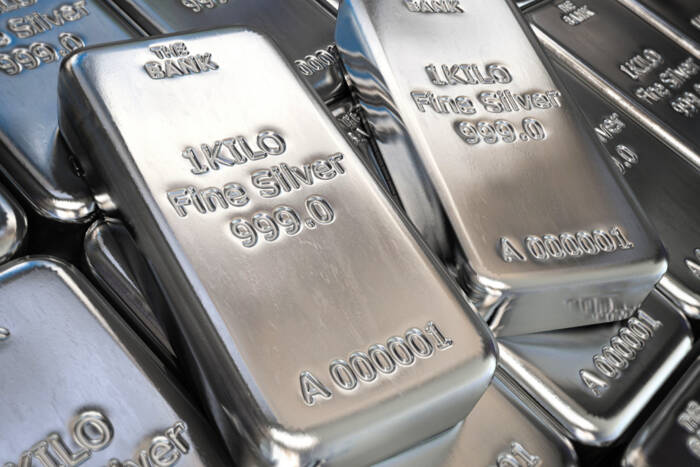
The commodities market is buzzing with a renewed vigor, and silver has captured the spotlight, surging to a 14-year high. This impressive ascent is not merely a transient price spike; it signals the early stages of what many analysts are calling a new commodity supercycle, driven by unprecedented technological demand and structural supply deficits. The question for energy investors, however, is whether crude oil, often a bellwether for global economic activity, is poised to ride a similar wave. While the immediate drivers for silver and oil differ, a closer look at the underlying macro themes suggests that oil could indeed be next in line for a significant bullish run.
Silver’s Rocket Fuel: AI, Infrastructure, and Scarcity
Silver’s dramatic breakout into definitive bullish territory is underpinned by a confluence of powerful forces. At the forefront is the exponential growth of Artificial Intelligence. The AI revolution, encompassing everything from high-speed processors and cloud computing to hyper-scale data centers, relies heavily on high-conductivity materials. Silver, being the most conductive metal on Earth, is absolutely critical to this infrastructure. With global AI infrastructure spending projected to soar past $1.8 trillion by 2030, demand for the white metal is moving vertically, creating an insatiable appetite from the tech sector.
Adding further impetus, a landmark $3 trillion infrastructure initiative, backed by key Middle Eastern nations like Saudi Arabia, Qatar, and the UAE, is set to absorb industrial metals on an unprecedented scale. This deal, heavily focused on AI infrastructure such as data centers, chip fabrication plants, and robotics hubs, directly amplifies the demand for silver. Crucially, this demand surge is occurring against a backdrop of chronic supply shortages. Analysts observe that the silver market is facing its fifth consecutive year of structural deficit in 2025, a clear indication that supply simply cannot keep pace. This fundamental imbalance, where demand outstrips available supply, is the structural bedrock for significantly higher prices.
Oil’s Current Stance: Navigating Volatility Amidst Shifting Tides
While silver charts a seemingly unstoppable course, the oil market presents a more nuanced picture for investors today. As of April 15, 2026, Brent Crude trades at $94.93, holding steady for the day within a range of $91 to $96.89. WTI Crude mirrors this stability, currently at $91.29. However, this stability follows a noticeable correction; over the past two weeks, Brent has shed nearly 8.8%, dropping from $102.22 on March 25 to $93.22 on April 14. This recent dip has prompted many investors to query the market’s direction, with a significant number asking for our base-case Brent price forecast for the next quarter and the consensus 2026 outlook.
The current plateau near the mid-$90s suggests a market grappling with competing narratives. Geopolitical tensions continue to underpin a risk premium, yet concerns over global economic growth or central bank policy shifts can introduce volatility. Downstream, gasoline prices currently sit at $3, down slightly by 0.33% today, indicating a degree of consumer price sensitivity that refiners closely monitor. The recent price trajectory, coupled with reader interest, highlights the market’s ongoing search for clear signals on both demand resilience and supply discipline.
Macro Catalysts: Could Oil Follow the Infrastructure Boom?
The same massive infrastructure investment driving silver demand could indirectly provide significant tailwinds for crude oil. The $3 trillion deal focused on AI infrastructure, while directly targeting industrial metals, will inevitably spur broader economic activity, industrialization, and transportation needs across the involved regions. Construction of new data centers, chip fabrication plants, and robotics hubs requires vast quantities of energy, not just for their operation but also for their construction and the increased logistics involved in their supply chains. This translates into higher demand for diesel, jet fuel, and other petroleum products.
Furthermore, the overarching theme of technological advancement and global economic expansion, which fuels AI and related infrastructure, inherently increases energy consumption. While the immediate correlation might not be as direct as for silver, oil remains the primary energy source powering global commerce and industry. As economies expand to support these new technological frontiers, the baseline demand for crude oil is projected to climb. Investors seeking to understand the consensus 2026 Brent forecast must factor in these macro-level demand amplifiers, which could easily outweigh short-term inventory fluctuations.
Supply Dynamics and Upcoming Market Inflection Points
Unlike silver’s chronic structural deficit, the oil market’s supply-demand balance is a delicate equilibrium, heavily influenced by OPEC+ policies and global upstream investment. However, just like silver, any sustained demand surge without a corresponding supply response would quickly tighten the market. This makes upcoming calendar events critical for investors positioning for oil’s next move. The next two weeks are particularly active, offering key insights into both producer intentions and market fundamentals.
The OPEC+ Joint Ministerial Monitoring Committee (JMMC) meets on April 18, followed by the full Ministerial Meeting on April 20. These gatherings are pivotal, as the group will reassess market conditions and potentially adjust production quotas. Any decision to maintain current cuts or even deepen them in response to perceived oversupply, or conversely, to increase output due to robust demand, will significantly impact price direction. Concurrently, investors will be closely watching the weekly API Crude Inventory reports on April 21 and 28, and the EIA Weekly Petroleum Status Reports on April 22 and 29. These provide real-time snapshots of U.S. crude stocks, refinery utilization, and product demand, offering crucial short-term directional cues. Finally, the Baker Hughes Rig Count on April 17 and 24 will indicate the health of drilling activity and future supply potential from North America. Taken together, these events will shape the narrative for oil prices in the coming weeks and help refine our understanding of the market’s true supply-demand balance, potentially setting the stage for oil to mirror silver’s powerful run.


