The New Commodity Supercycle: A Strategic Reassessment for Investors
Global financial markets are undergoing a seismic shift, with the foundational elements of economic growth and national security increasingly tied to the availability of physical commodities. From the exponential power demands of artificial intelligence infrastructure to the vast material requirements of global electrification, and the pressing need for re-industrialization and energy independence, every significant development relies heavily on a robust supply of raw materials. This evolving landscape compels a fundamental re-evaluation of how investors approach commodity markets.
Leading strategists are unequivocal: the traditional market assumption that supply will seamlessly adjust to demand no longer holds true. In an era marked by geopolitical fragmentation and heightened national interests, access to vital energy sources, base metals, and critical minerals has transitioned from a purely commercial consideration to a strategic imperative. This paradigm shift profoundly impacts pricing structures and investment opportunities within the oil, gas, and broader commodity sectors.
Persistent Supply Bottlenecks: The Driving Force Behind Commodity Upside
The burgeoning opportunity in commodities extends far beyond mere demand growth. Instead, it is predicated on the confluence of accelerating strategic consumption colliding with markets hobbled by years of chronic underinvestment. This perfect storm creates an environment ripe for repeated and severe supply squeezes.
Consider the trajectory of key materials. Copper, essential for a myriad of industrial and energy transition applications, has already witnessed significant price appreciation as market participants awaken to the stark reality that new mining projects simply cannot scale fast enough to match projected future demand. Similarly, gold continues to attract substantial inflows from central banks and institutional buyers, who view it as a critical safeguard against currency erosion, escalating sovereign debt, and pervasive geopolitical uncertainties.
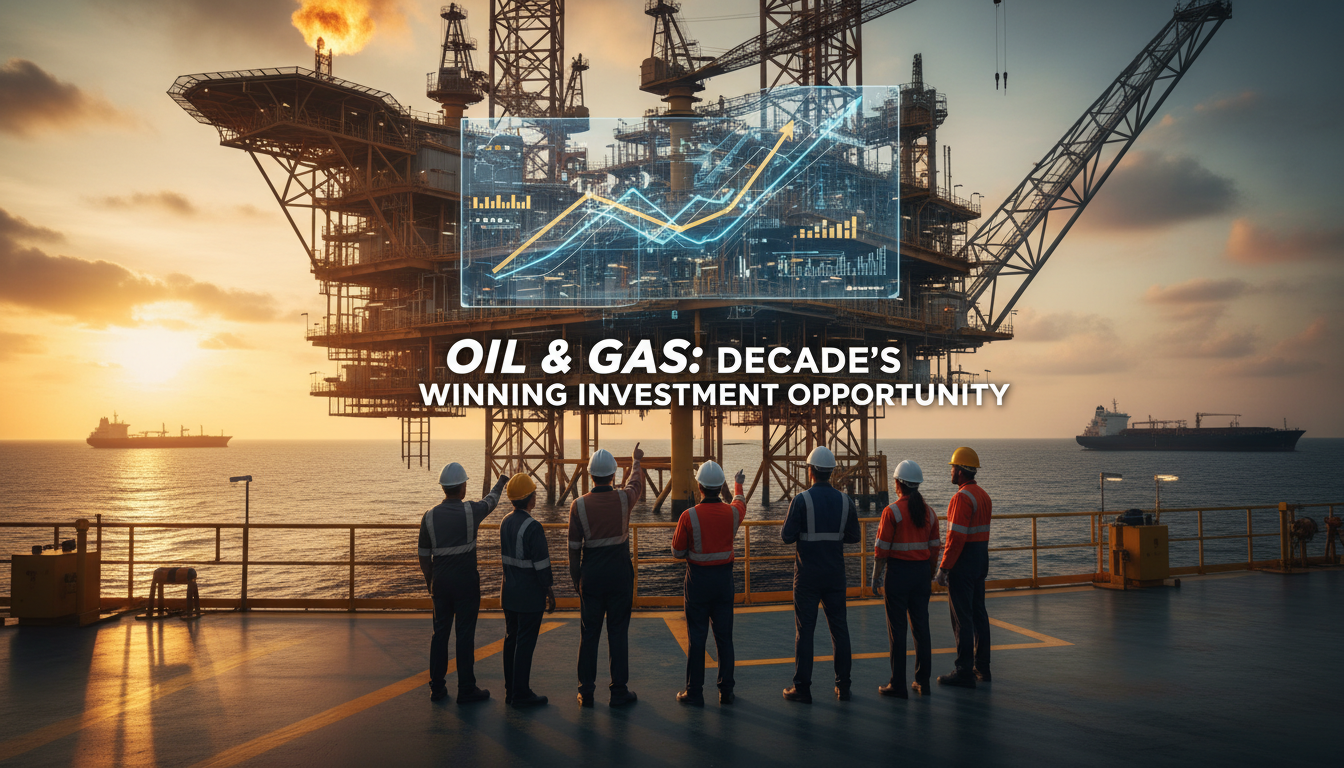
Within the energy complex, particularly oil and natural gas, the situation is acutely vulnerable. Global spare production capacity remains alarmingly thin. Coupled with the persistent threat of geopolitical conflicts, the imposition of international sanctions, and a prolonged period of capital starvation for new exploration and development, these markets are precariously exposed to sharp upward repricing movements. For oil and gas investors, this translates into a heightened potential for sustained value appreciation.
Analysts anticipate that the coming decade will not be characterized by isolated market shocks. Rather, it is more likely to be defined by a series of rolling supply shortages spanning energy, industrial metals, and even agricultural commodities. Each successive disruption will strike markets already operating with diminished buffers, navigating increasingly politicized supply chains, and possessing a reduced capacity to absorb volatility.
Many investors have yet to fully internalize this critical distinction. In a world where geopolitical factors heavily influence resource availability, commodities do not require immaculate global growth conditions to surge. Instead, persistent supply constraints, pervasive insecurity, and a market that remains significantly under-positioned in these critical assets are sufficient to ignite powerful rallies.
The Window for Advantageous Entry May Be Closing
The overarching macroeconomic narrative further strengthens the case for commodity exposure. As inflation proves stubbornly persistent, sovereign debt levels reach unprecedented highs, and traditional portfolio hedges lose some of their historical reliability, institutional capital is being compelled to reassess where genuine protection and asymmetric upside potential truly reside.
Commodities are rapidly emerging as one of the few asset classes that simultaneously offer direct inflation protection, exposure to strategic scarcity, and tangible geopolitical relevance. They are no longer peripheral to the dominant global themes of the next decade; rather, they represent the fundamental building blocks that enable these transformative trends to materialize. For astute investors, particularly those focused on oil and gas, this represents a unique opportunity to align portfolios with the core drivers of future economic power.
The gravest error investors can make today is to view hard assets merely as a defensive hedge, rather than recognizing their potential for market leadership. Once the broader investment community fully comprehends the profound implications of a multipolar world on global supply chains, national security, and pricing power, these vital markets will cease to offer compelling value. They will become crowded, and entry points will be significantly higher.
This urgent imperative underscores the time-sensitive nature of the current commodity investment thesis. Despite the impressive gains witnessed across many segments, hard assets generally remain under-owned relative to the monumental structural shift now underway. However, this window of opportunity, allowing for advantageous positioning, is unlikely to remain open indefinitely. As institutional capital inevitably converges on the consensus view that hard assets are indispensable, the subsequent repricing could be extraordinarily rapid, aggressive, and unforgiving.
By that point, the most significant and accessible returns for early movers in the oil and gas and broader commodity sectors may already have been secured.