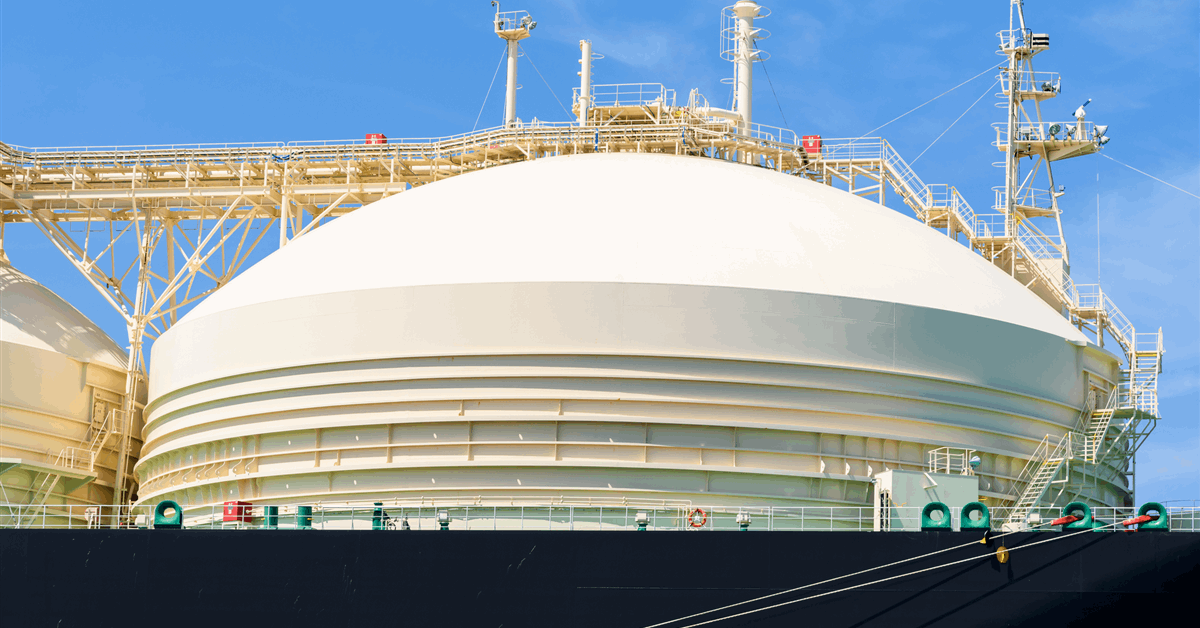
In a significant move reinforcing long-term energy strategies, Shell PLC has cemented a 15-year agreement with Abu Dhabi National Oil Co (ADNOC) for the supply of up to one million metric tons per annum (MMtpa) of liquefied natural gas (LNG) from the ambitious Ruwais LNG project in the United Arab Emirates. This definitive sale and purchase agreement, inked during ADIPEC, marks ADNOC’s inaugural long-term LNG sales commitment with Shell and represents the eighth such long-term offtake for the Ruwais project. For investors eyeing the evolving energy landscape, this deal underscores a powerful trend: despite short-term market volatility, the strategic imperative for secure, long-duration natural gas supply remains a cornerstone of global energy investment.
The Strategic Imperative of Long-Term LNG Supply
The Shell-ADNOC agreement highlights a crucial dynamic in the global energy market: the sustained demand for natural gas as a transition fuel and a reliable energy source. With this latest deal, an impressive more than eight MMtpa of the Ruwais project’s planned 9.6 MMtpa capacity is now secured through long-term contracts with customers spanning Asia and Europe. This rapid commercialization, achieved just 16 months after the project’s final investment decision (FID) in July 2024, stands in stark contrast to typical industry timelines, which can extend to four or five years for similar volumes. ADNOC Gas PLC’s CEO, Fatema Al Nuaimi, rightly noted the project’s “record pace.” Shell’s commitment is further cemented by its existing 10% stake in the Ruwais LNG project through Shell Overseas Holdings Ltd, part of a broader collaboration where ADNOC farmed out a total of 40% in Ruwais LNG to Shell, BP PLC, Mitsui & Co Ltd, and TotalEnergies SE last year. This web of partnerships and long-term supply agreements signals a collective industry conviction in the enduring role of LNG, particularly given Shell’s own forecast of global LNG demand potentially reaching 630-718 MMtpa by 2040, driven significantly by Asian economies.
Ruwais LNG: A Green-Powered Giant in the Making
Beyond its sheer scale, the Ruwais LNG project is distinguished by its commitment to cleaner energy production. Slated for commissioning by the end of 2028, the facility in Al Ruwais Industrial City will feature two trains, each capable of producing 4.8 MMtpa, effectively more than doubling ADNOC’s existing LNG capacity. What truly sets Ruwais apart is its design as the first LNG export facility in the Middle East and North Africa region to run on clean power. This vision is being brought to life through advanced technologies, including a contract awarded in 2023 to Baker Hughes Co for all-electric compression systems, utilizing their 75-megawatt BRUSH electric motor technology. The final investment decision on June 12, 2024, was accompanied by a substantial $5.5 billion engineering, procurement, and construction (EPC) contract awarded to a joint venture comprising Technip Energies NV, JGC Holdings Corp, and NMDC Energy. For investors, the “clean power” aspect is a critical differentiator, aligning the project with evolving ESG mandates and future energy transition trends, positioning Ruwais as a long-term, sustainable asset in the global LNG portfolio.
Navigating Volatility: Investor Outlook Amidst Market Swings
While the long-term outlook for LNG remains robust, the broader energy market continues to exhibit significant volatility, a factor closely watched by our readers and reflected in our proprietary market data. As of today, Brent Crude trades at $90.38, marking a sharp 9.07% decline within the day, with a range between $86.08 and $98.97. Similarly, WTI Crude stands at $82.59, down 9.41% for the day. This immediate downturn follows a challenging period, with Brent having fallen by $22.4, or 19.9%, from $112.78 just two weeks ago on March 30. Such dramatic price swings naturally lead investors to question the future, with a common query on our platform being, “what do you predict the price of oil per barrel will be by end of 2026?”
While precise predictions are inherently difficult, these long-term LNG supply deals offer a degree of stability against the backdrop of crude price fluctuations. The fundamental drivers for natural gas demand, particularly in Asia, remain strong. Shell’s latest LNG outlook, published February 25, specifically highlighted China’s push for piped gas expansion, India’s burgeoning gas infrastructure, and increasing demand from heavy industry, transport, and even the AI sector as key growth engines. These structural demand shifts underpin the strategic value of projects like Ruwais, providing a counter-narrative to short-term crude market noise. Investors asking about OPEC+ production quotas are rightly focused on near-term supply management in the crude market, but the Ruwais deal demonstrates that for natural gas, the focus is increasingly on securing diversified, long-term supply to meet an expanding global appetite.
Upcoming Catalysts and the Future of Gas Investment
The coming weeks will offer further insights into the energy market’s short-term trajectory, even as the long-term LNG investment thesis strengthens. Investors should closely monitor the upcoming OPEC+ Joint Ministerial Monitoring Committee (JMMC) Meeting on April 19, followed by the full OPEC+ Ministerial Meeting on April 20. While these events primarily focus on crude oil production quotas, their decisions can influence overall energy market sentiment and indirectly impact investment flows across the sector. Additionally, the regular cadence of weekly data, such as the API Weekly Crude Inventory reports on April 21 and April 28, and the EIA Weekly Petroleum Status Reports on April 22 and April 29, will provide critical snapshots of market balances. The Baker Hughes Rig Count, scheduled for April 24 and May 1, will offer insights into upstream activity. These near-term data points are crucial for understanding market dynamics, yet the strategic 15-year commitment by Shell to Ruwais LNG transcends these short-cycle indicators, reflecting a deeper, structural shift towards securing future gas supply. For long-term investors, the focus remains on the foundational demand growth, particularly in Asia, and the strategic positioning of projects like Ruwais that are designed for decades of reliable, and increasingly cleaner, energy delivery.


