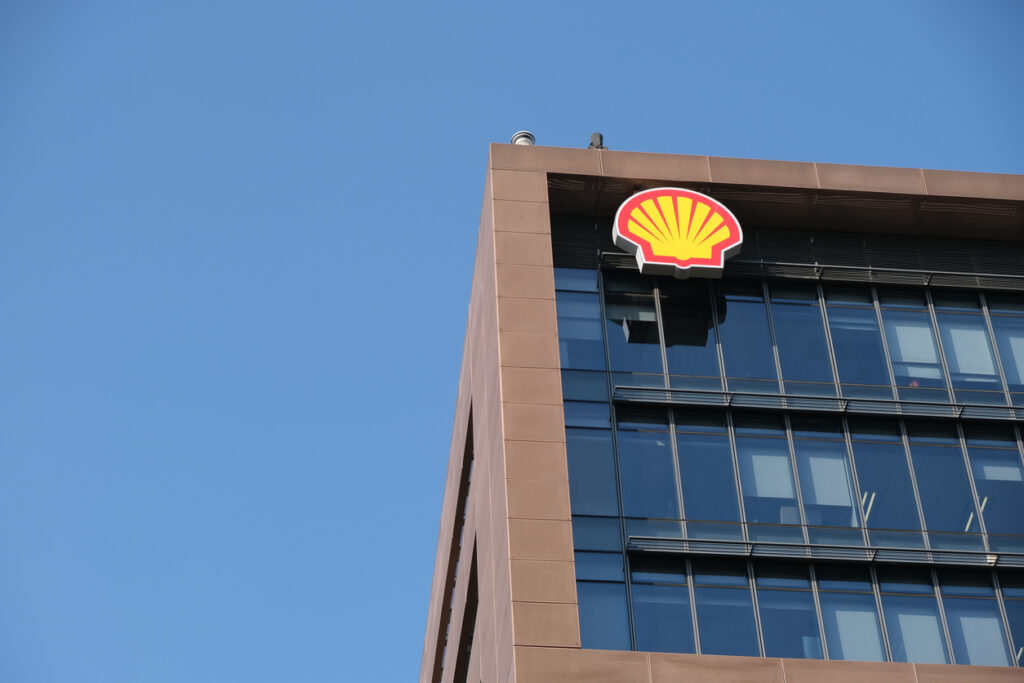
Shell’s recent agreement to explore the Zhanaturmys block in western Kazakhstan presents a fascinating case study in strategic long-term energy investment. Despite ongoing, high-stakes legal battles with the Kazakh government over existing projects, the energy major has committed to a new exploration venture. This move underscores a calculated balancing act: managing current disputes while simultaneously securing future growth opportunities in a resource-rich, albeit sometimes challenging, jurisdiction. For investors, this dual approach signals Shell’s enduring conviction in Kazakhstan’s hydrocarbon potential, even as it navigates complex geopolitical and contractual landscapes.
Shell’s Calculated Bet on Kazakhstan’s Future
The newly inked agreement between Shell and the Kazakh Energy Ministry focuses on the Zhanaturmys block, an expansive area covering 1,377 square kilometers. This deal, set to run until 2032, involves extensive seismic exploration, data collection, and technical assessments, highlighting the long-term nature and technical complexity inherent in frontier basin exploration. Shell’s Senior Vice President and Country Chair for Kazakhstan, Suzanne Coogan, emphasized the agreement as a reaffirmation of the company’s commitment to the nation. This commitment is particularly notable given the backdrop of significant legal contention. Shell, alongside other international operators in the North Caspian Project consortium, is currently embroiled in arbitration processes, including a challenge against a $5 billion fine related to sulfur storage at the giant Kashagan oilfield. Furthermore, Kazakhstan has initiated claims totaling as much as $166 billion against majors, primarily citing lost revenues from Kashagan project delays. Shell CEO Wael Sawan acknowledged these challenges during a recent earnings call, stating the company would “hold until we have better line of sight to where things end up,” yet this new agreement demonstrates a willingness to invest concurrently, signaling a strong belief in the ultimate prize.
Current Market Dynamics and Long-Term Project Economics
Understanding the broader market context is crucial for evaluating such long-term upstream investments. As of today, Brent crude trades at $93.04, reflecting a slight dip of 0.21% within a daily range of $92.57 to $94.21. Similarly, WTI crude is priced at $89.43, down 0.27%, with its daily range between $88.76 and $90.71. These robust price levels provide a favorable environment for exploration and development, cushioning the financial risks associated with complex projects. While the 14-day Brent trend shows a notable decline of 7%, moving from $101.16 to $94.09, prices remain elevated compared to historical averages. This sustained strength in crude prices makes capital-intensive ventures like Zhanaturmys more attractive, offering a clearer path to profitability should significant reserves be discovered. The economics of a project running until 2032 are heavily influenced by the forward curve, and current market sentiment suggests a continued need for new supply, underpinning the strategic rationale for Shell’s commitment.
Addressing Investor Sentiment: Risk, Reward, and Price Trajectories
Our proprietary reader intent data reveals a clear focus among investors on crude oil price direction and the performance of major energy companies. Questions like “is WTI going up or down” and predictions for “the price of oil per barrel by end of 2026” indicate a high degree of sensitivity to market volatility and future outlooks. Shell’s move in Kazakhstan, despite the jurisdictional risks, implicitly answers these concerns: major players are still betting on long-term demand and the necessity of securing new conventional resources. For investors evaluating companies like Shell, this dual strategy highlights both the potential for significant reserve additions and the inherent complexities of operating in frontier markets. The ongoing arbitration cases serve as a stark reminder of “resource nationalism” risks, where governments seek greater control or revenue from their natural wealth. However, the sheer scale of potential discoveries in basins like Kazakhstan often outweighs these risks for supermajors capable of managing such intricate legal and operational challenges, positioning them for sustained growth even amidst global energy transitions.
Forward Outlook: Upcoming Catalysts and Strategic Positioning
While the Zhanaturmys project is a long-term play, stretching out for years, a series of upcoming market events will continue to shape the investment landscape for Shell and other energy majors. Key data points such as the EIA Weekly Petroleum Status Report, scheduled for April 22nd and April 29th, will offer crucial insights into current supply-demand balances, inventory levels, and refinery activity. Similarly, the Baker Hughes Rig Count on April 24th and May 1st will provide a barometer of upstream activity in North America, influencing broader perceptions of global supply. Perhaps most impactful for long-term strategic decisions will be the EIA Short-Term Energy Outlook, set for release on May 2nd. This report offers a comprehensive macro perspective on future demand, supply, and price forecasts, directly informing the perceived value and viability of new exploration ventures like Zhanaturmys. For Shell, a successful exploration campaign in this promising block could significantly bolster its long-term reserve base, diversifying its portfolio and positioning it favorably to meet anticipated global energy demand well into the next decade, irrespective of short-term market fluctuations.