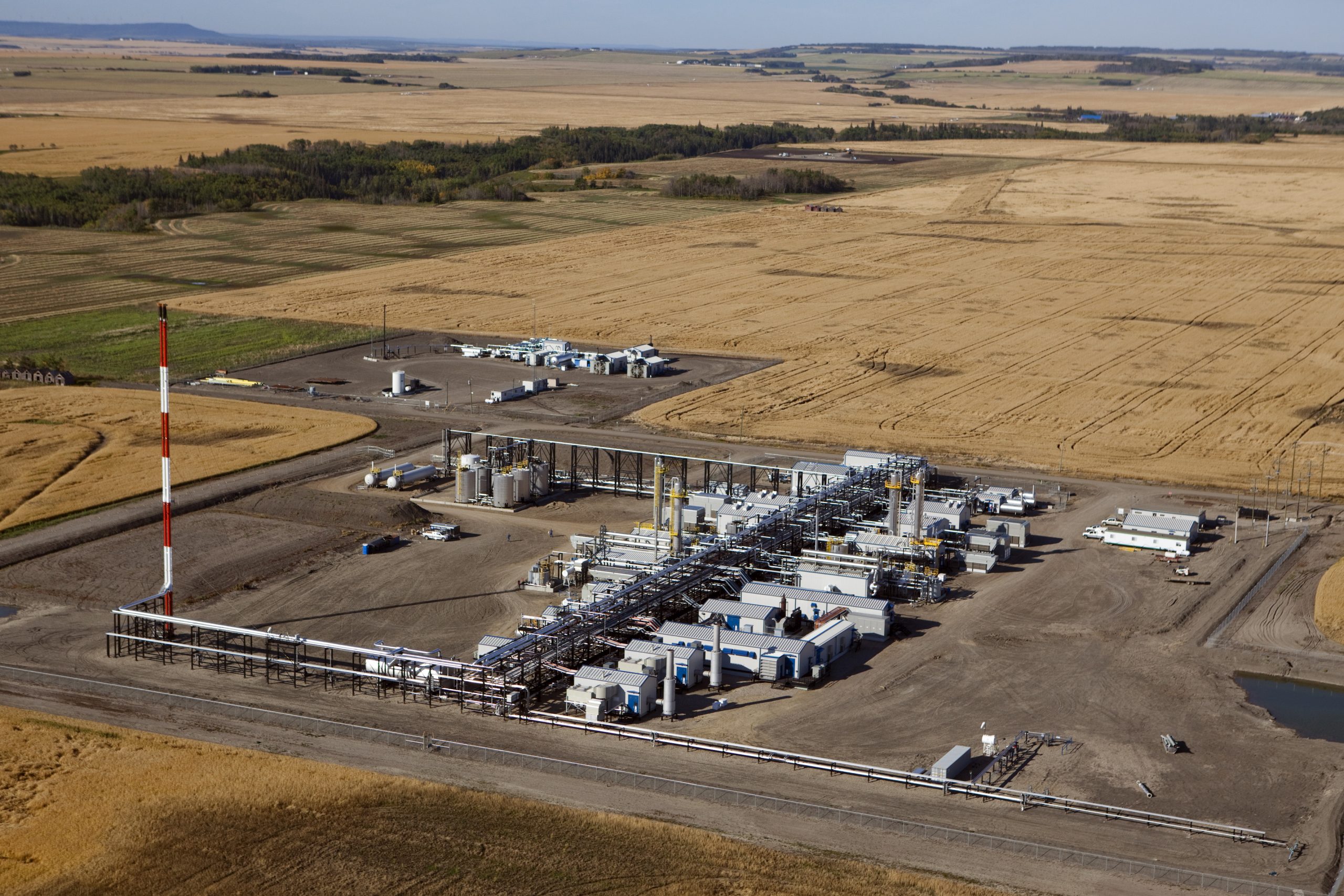
Shell’s recent agreement to acquire ARC Resources Ltd. for an estimated $13.6 billion, or approximately $16.4 billion including debt, marks a pivotal strategic move by the energy major to significantly bolster its footprint in Canada’s prolific Montney shale basin. This transaction is far more than a simple expansion; it represents a deep commitment to North American unconventional assets, positioning Canada as a core operational “heartland” for Shell and reshaping its long-term production profile. For investors, this deal provides critical insight into Shell’s capital allocation priorities and its outlook on the future of integrated gas and oil production in a dynamic global energy landscape.
Consolidating a Canadian Shale Powerhouse
This substantial acquisition is set to add approximately 370,000 barrels of oil equivalent per day (boed) to Shell’s existing portfolio, alongside an impressive 2 billion boe of proved plus probable reserves. The assets are strategically concentrated in the Montney formation, spanning British Columbia and Alberta – a region recognized as one of North America’s most productive unconventional plays. By integrating ARC’s extensive acreage with its own Groundbirch operations, Shell creates a formidable presence in the basin. This combined operational scale is particularly significant given Shell’s existing infrastructure, including its supply lines to the crucial LNG Canada project. Shell’s CEO, Wael Sawan, underscored the rationale, highlighting ARC as a “high-quality, low-cost producer” that perfectly complements Shell’s existing Canadian operations. This synergy is designed to strengthen Shell’s upstream base, targeting a robust compound annual growth rate of around 4% through 2030, all while maintaining a sharp focus on low-cost and lower-emissions production assets.
Market Dynamics and Investor Focus on Crude Prices
The timing of Shell’s ambitious play comes amidst a notable upward trend in crude oil markets, a factor undoubtedly influencing investor perception of such large-scale transactions. As of today, Brent Crude trades at $111.78, reflecting a 1.25% gain within the day’s range of $110.86-$112.43. Similarly, WTI Crude stands at $105.9, up 0.79% in a daily range of $104.98-$106.65. This current strength follows a significant rally, with Brent having surged by $12.34, or 12.4%, from $99.36 on April 13th to its current level. This upward momentum in crude prices naturally intensifies investor scrutiny on the long-term viability and profitability of upstream investments. Our proprietary data indicates that investors are keenly focused on the crude oil market’s trajectory, with many actively asking for a “base-case Brent price forecast for next quarter” and diligently tracking the “2026 weekly trend for crude oil.” Shell’s decision to commit substantial capital to a long-life asset base like the Montney, especially one geared towards natural gas supply for LNG, signals confidence in sustained demand and favorable pricing for both oil and gas, aligning with the strategic importance of Canadian gas resources tied to burgeoning LNG export growth.
Navigating Approvals and Future Market Signals
While the strategic rationale for the ARC acquisition is clear, the transaction is not without its hurdles, notably requiring both shareholder and regulatory approvals, with an anticipated closure in the second half of 2026. This extended timeline allows for thorough due diligence and market adjustments. Investors will be closely monitoring a series of upcoming energy events that could shape the regulatory environment and broader market sentiment leading up to the transaction’s finalization. Key insights will come from the EIA Short-Term Energy Outlook, scheduled for release on May 2nd, which provides crucial forecasts on supply, demand, and prices. Additionally, the IEA Oil Market Report on May 12th will offer a global perspective on oil markets, including potential impacts on demand and policy. Regular updates, such as the Baker Hughes Rig Count on May 1st and May 8th, will provide real-time indicators of drilling activity across North America, including key shale plays like the Montney, signaling future supply trends and the attractiveness of unconventional assets. These reports, alongside weekly data from the API and EIA on crude inventories and petroleum status, will collectively inform market participants and regulators alike, influencing the perception and ultimate approval of such a significant consolidation in the North American energy sector. The deal’s progression will be a bellwether for continued M&A activity in the region, particularly as companies seek to secure low-cost, high-return assets.
Long-Term Portfolio Enhancement and Shareholder Value
Shell’s acquisition of ARC Resources underscores a broader trend of consolidation within North American shale, driven by the pursuit of scale, operational efficiencies, and resource longevity. The agreement, which will see ARC shareholders receive a mix of cash and Shell shares, represents a premium to recent trading levels, reflecting the value Shell places on these high-quality Montney assets. By integrating ARC’s operations, Shell expects to enhance its production growth outlook and reinforce its commitment to a diversified energy portfolio that includes significant natural gas resources. This strategic move aligns with Shell’s stated ambition to create a more resilient and profitable upstream business, capable of delivering sustainable returns over the long term. For Shell investors, this means a strengthened upstream base with a clear growth trajectory through the end of the decade, underpinned by assets that are both prolific and increasingly crucial for global energy security and the ongoing transition to lower-carbon energy sources through LNG.


