Senegal is rapidly emerging as a compelling new frontier in the global energy landscape, spearheading an industrialization drive fueled by significant oil and gas discoveries. The commencement of major projects like the Sangomar oil field and the Greater Tortue Ahmeyim (GTA) LNG project signals a pivotal moment for the West African nation, poised to transform its economic trajectory and regional influence. This shift comes at a critical juncture for the global energy market, presenting both opportunities and complexities for investors. Our proprietary data pipelines reveal a dynamic crude market, juxtaposed with an ambitious domestic development agenda that extends beyond hydrocarbons into renewables, mining, and robust infrastructure. Investors evaluating the next wave of energy growth must understand Senegal’s strategic vision and how its burgeoning output integrates into a volatile global supply picture.
Senegal’s Hydrocarbon Ascent Amidst Market Volatility
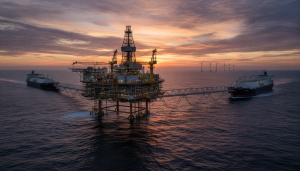
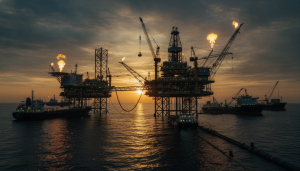
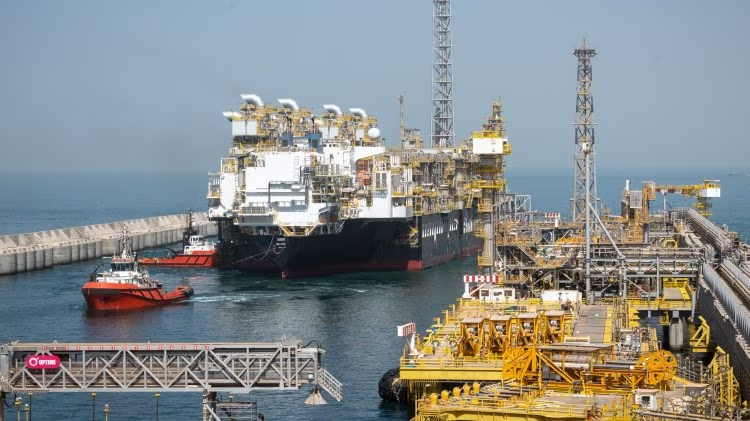
The scale of Senegal’s hydrocarbon ambitions is becoming increasingly clear. The Sangomar oil field, a cornerstone of this new era, is now forecast to surpass initial production estimates, with projections indicating an impressive 34.5 million barrels in 2025 alone. This substantial output will significantly boost the nation’s energy independence and export capabilities. Concurrently, the Greater Tortue Ahmeyim (GTA) LNG project, a collaborative venture with Mauritania, has already initiated LNG production and plans for significant capacity increases in subsequent phases. These projects are not merely about resource extraction; they are foundational to Senegal’s broader industrial and energy transformation.
This rapid expansion of supply from a new player like Senegal arrives when global crude markets are facing considerable headwinds. As of today, our live market snapshot shows Brent Crude trading at $90.38, reflecting a notable -9.07% decline within the day, with a range between $86.08 and $98.97. Similarly, WTI Crude stands at $82.59, down -9.41% today. This downward pressure is not an isolated event; our 14-day Brent trend analysis indicates a substantial drop from $112.78 on March 30th to the current $90.38, representing a nearly 20% contraction. This sharp reversal in crude prices, also mirrored in gasoline prices at $2.93 (-5.18% today), creates a complex backdrop for evaluating the revenue potential and investor returns from new projects. While Senegal’s production costs are competitive, sustained lower prices could impact the pace of future investment and the scale of anticipated government revenues.
Strategic Industrialization and Energy Diversification
Senegal’s long-term vision, encapsulated in the Plan Sénégal Émergent (PSE), aims to position the country as a leading industrial and logistical hub in West Africa by 2035. This comprehensive strategy goes far beyond oil and gas, emphasizing structural economic transformation, industrial decentralization away from Dakar, and growth in key sectors such as mining, agro-industry, chemicals, construction, and transport. The hydrocarbons sector plays a crucial enabling role, with the government prioritizing the use of domestic natural gas for power generation. This strategic shift is designed to reduce the nation’s historical dependence on costly imported heavy fuel oil, thereby improving energy security and redirecting valuable hydrocarbon revenues toward broader development objectives.
Crucially, Senegal is not solely focused on fossil fuels. The country has set an ambitious Just Energy Transition Partnership target of achieving 40% of its energy mix from renewables by 2030. Projects like the Taiba N’Diaye Wind Power Station and various large-scale solar installations are actively underway, demonstrating a commitment to a diversified energy future. While rural electrification remains a challenge, partnerships with international development organizations are supporting critical grid expansion. This dual-pronged approach – leveraging hydrocarbon wealth to fund both industrialization and a transition to cleaner energy – offers a unique investment narrative, balancing immediate energy needs with long-term sustainability goals.
Infrastructure as the Bedrock for Growth
A critical component of Senegal’s industrialization agenda is its aggressive investment in transport infrastructure, essential for both regional integration and facilitating resource exports. The Port of Ndayane, currently under construction with significant funding from DP World, is a testament to this commitment. Designed as a deep-water facility, it will be capable of accommodating much larger vessels, significantly easing congestion at the existing Port of Dakar and improving the efficiency of global trade flows. The Port of Bargny already serves as a vital hub for mineral exports, including output from the Falémé iron ore project, highlighting the synergy between energy, mining, and logistics.
Senegal’s mining industry is a substantial contributor to its export revenues, with key resources including phosphate, gold, mineral sands, and iron ore. The government has proactively strengthened its mining code and implemented reforms aimed at enhancing transparency, improving fiscal management, and boosting local content policies. These measures are designed to attract and secure further foreign direct investment in the extractive sectors. Furthermore, rail infrastructure improvements, such as the Regional Express Train connecting Dakar to suburban areas, alongside extensive road network expansions, are vital for internal connectivity, supporting the decentralization of industry and creating a more efficient national supply chain for all sectors, not just energy.
Navigating Global Dynamics and Investor Expectations
The emergence of Senegal as a significant new energy producer inevitably sparks questions among investors regarding its impact on global supply-demand balances and future price trajectories. Our proprietary reader intent data shows that investors are keenly asking about oil price predictions for the end of 2026 and current OPEC+ production quotas. These questions underscore a prevailing uncertainty in the market, especially with crude prices seeing significant declines in recent weeks.
Senegal’s additional output, particularly from Sangomar in 2025, will factor into global supply models. This new production comes just as key decisions are anticipated from major producers. Investors should closely monitor the upcoming OPEC+ Joint Ministerial Monitoring Committee (JMMC) Meeting on April 19th, followed by the full OPEC+ Ministerial Meeting on April 20th. These meetings are crucial for understanding whether the cartel will implement further production cuts to stabilize prices or maintain current quotas, potentially allowing more non-OPEC+ supply, like Senegal’s, to gain market share. Furthermore, the weekly API and EIA Crude Inventory reports on April 21st/22nd and April 28th/29th, alongside the Baker Hughes Rig Count on April 24th and May 1st, will offer real-time insights into market fundamentals that could influence sentiment and price direction. The confluence of new supply from emerging players like Senegal and the strategic responses of established producers will define the investment landscape for the remainder of 2026 and beyond. Investors looking at the West African energy story must weigh the strong domestic growth narrative against the broader, often unpredictable, global crude market dynamics.