The global oil and gas industry, inherently tied to vast coastal infrastructure, faces a new and significantly heightened long-term risk: under-estimated sea level rise. Recent groundbreaking research reveals that ocean levels are substantially higher than previously understood, a finding that demands immediate re-evaluation by investors. This isn’t just an environmental concern; it’s a critical financial imperative that could redefine asset valuations, operational costs, and the very viability of coastal energy projects, often overshadowed by the relentless churn of short-term market dynamics.
Re-evaluating Coastal Asset Vulnerability in a New Climate Reality
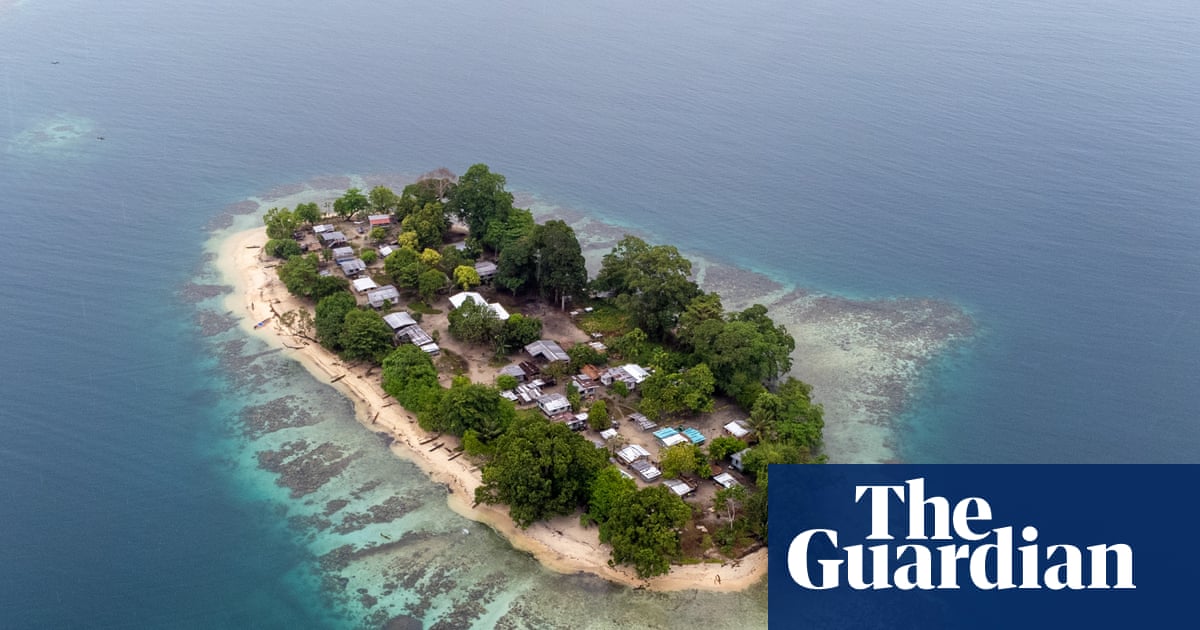
A comprehensive study published in Nature has unveiled a critical oversight in how global sea levels have been assessed, profoundly impacting future projections for coastal impacts. The research, spearheaded by Dr. Philip Minderhoud of Wageningen University and PhD researcher Katharina Seeger, analyzed 385 peer-reviewed scientific papers from 2009 to 2025. Their findings are stark: global ocean levels are, on average, 30 centimeters higher than previously believed. In particularly vulnerable regions, such as Southeast Asia and the Indo-Pacific, this discrepancy soars to an alarming 100-150 centimeters.
This “interdisciplinary blind spot” stems from a widespread reliance on global geoid models for land elevation measurements, rather than direct, local sea level observations. Consequently, sea levels were undervalued by an average of 24-27 centimeters, with some individual discrepancies reaching a staggering 550-760 centimeters. The implications for the oil and gas sector are profound. Refineries, LNG terminals, storage facilities, export hubs, and extensive pipeline networks are predominantly situated along coastlines. The study estimates that a relative sea level rise of just one meter could submerge an additional 37% of coastal areas, affecting up to 132 million individuals. For energy investors, this translates directly into escalating physical risks for critical infrastructure, necessitating substantial adaptation investments, driving up insurance premiums, and accelerating the potential for asset stranding.
Navigating Short-Term Volatility Amidst Mounting Long-Term Threats
While the long-term specter of sea level rise looms, the immediate focus for many investors remains fixed on daily market movements. As of today, Brent crude trades at $90.38, while WTI sits at $82.59, with gasoline prices holding at $2.93. This current price point, while stable within its daily range, represents a significant shift from recent weeks. Brent crude, for instance, has shed nearly 20% in the last two weeks, plummeting from $112.78 on March 30th to its current level. This volatility naturally dominates investor discourse, with many asking “Is WTI going up or down?” or seeking predictions for “the price of oil per barrel by end of 2026?”
These immediate concerns are certainly valid, especially with a busy calendar of upcoming energy events. Investors are keenly watching the OPEC+ JMMC Meeting scheduled for April 20th, followed by the full OPEC+ Ministerial Meeting on April 25th, which could significantly impact supply decisions. Weekly data releases, such as the API Crude Inventory on April 21st and the EIA Weekly Petroleum Status Report on April 22nd, will also provide critical insights into short-term supply-demand balances. However, focusing solely on these immediate drivers risks overlooking the systemic and escalating physical risks illuminated by the new sea level research. Prudent investors understand that while these events dictate near-term sentiment, the long-term viability and valuation of coastal O&G assets will increasingly hinge on their resilience to an accelerating climate reality.
Impending Policy Shifts and Regulatory Pressure on Coastal Assets
The revelations regarding underestimated sea levels are not merely academic; they will inevitably translate into significant policy shifts and increased regulatory pressure. The study itself “calls for the re-evaluation of existing coastal hazard studies methodology to ensure climate change policies are accurately informed.” This is particularly relevant given that a large proportion of the studies now deemed inaccurate have been referenced in recent climate change reports by the UN Intergovernmental Panel on Climate Change (IPCC). With the IPCC already estimating a 28-100 centimeter global sea level rise by 2100, these new, higher baseline figures will likely force a revision of future projections and, consequently, global climate adaptation strategies.
For the oil and gas industry, this means an accelerated timeline for climate-related compliance and investment. While specific regulatory announcements aren’t on the immediate calendar, the implications of such foundational research will filter into future policy frameworks. We anticipate stricter permitting requirements for new coastal projects, mandatory upgrades for existing infrastructure, and potentially higher levies or taxes to fund coastal protection measures. Companies that have historically relied on outdated sea level models for their infrastructure planning will face increased scrutiny. This shift will likely drive up operational expenditures and capital project costs, making climate resilience an unavoidable line item on every balance sheet and a key differentiator for attracting long-term capital.
Investment Implications: Beyond the Barrel Price
The enhanced understanding of sea level rise demands a fundamental re-evaluation of investment strategies for companies with significant coastal exposure. For investors asking about the performance of specific companies, such as “How well do you think Repsol will end in April 2026?”, the answer becomes more nuanced. While market sentiment and operational performance will always be key, the long-term risk profile of integrated energy companies like Repsol, with their extensive coastal refineries, petrochemical plants, and port facilities, is now demonstrably higher. Their ability to assess, disclose, and mitigate these risks will increasingly influence their attractiveness to capital.
This situation extends far beyond individual companies. Investors must now conduct enhanced due diligence on the precise geographic location and elevation data of assets across their portfolios. The accelerated timeline for impacts means that the window for adaptation is shrinking, increasing the probability of stranded assets sooner than previously projected. Companies with robust climate resilience plans, diversified asset bases (reducing coastal concentration), and transparent reporting on physical climate risks will likely command a premium. Conversely, those that continue to operate with outdated risk assessments will see their valuations pressured. The interdisciplinary blind spot has been exposed, and ignoring it now would be a significant financial oversight for any serious oil and gas investor.


