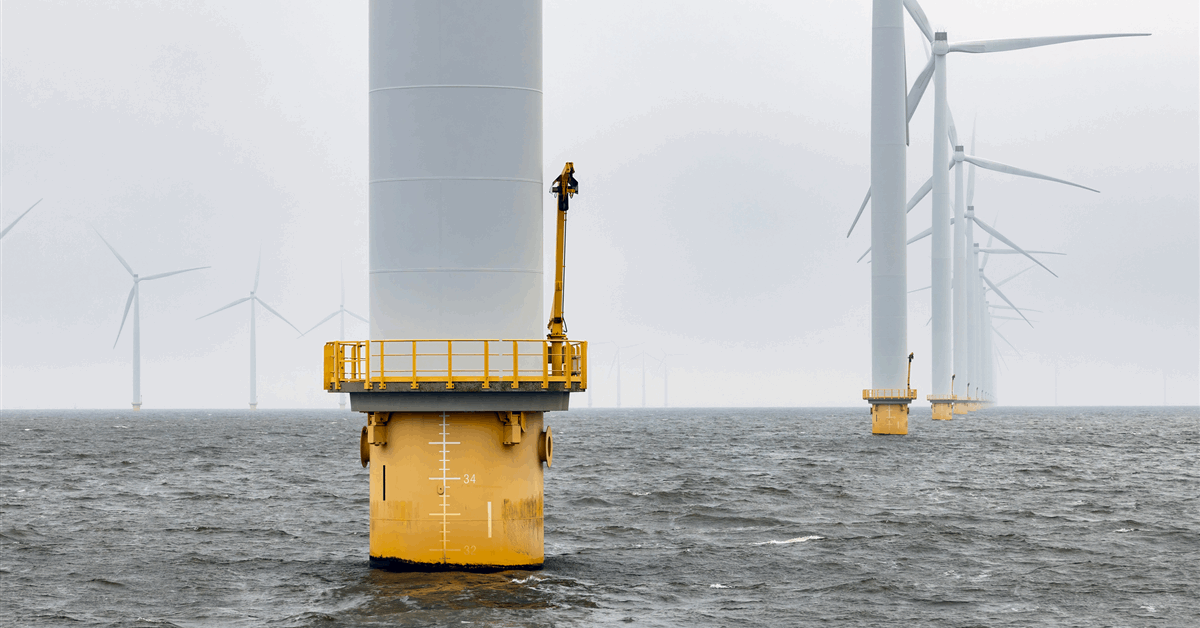
The energy landscape in Scotland is undergoing a profound transformation, with significant implications for global oil and gas investors. A landmark decision by the Scottish government has granted consent to SSE Plc for the development of what is poised to become the world’s largest offshore wind farm, a move that underscores the nation’s aggressive pivot towards renewable energy sources and away from its traditional hydrocarbon heritage.
Located strategically off Scotland’s eastern coastline, the colossal Berwick Bank wind farm is projected to deliver an astounding 4.1 gigawatts of clean power, sufficient to energize approximately 6 million homes. This monumental undertaking, which has been meticulously developed over the past decade, has now reached its final critical juncture. With regulatory approval secured, the project is set to compete in the upcoming government auction for renewable energy subsidies, slated to commence in August.
Decarbonization Drive and Financial Complexities
The successful realization of Berwick Bank is considered instrumental for the United Kingdom’s ambitious objective of achieving near-complete decarbonization of its power grid by 2030. While laudable in its environmental aims, the project introduces a complex financial equation. Its construction and integration into the national grid carry the inherent risk of escalating consumer electricity bills, which are already among the highest globally. The sheer scale of the project is likely to strain existing grid infrastructure, necessitating substantial further investments to alleviate potential bottlenecks and ensure stable supply.
SSE Plc, a prominent UK-based utility, has publicly confirmed its intention to participate in the forthcoming government auction. Should Berwick Bank secure a contract, it would benefit from a guaranteed fixed price for its generated power over a 20-year period. These lucrative subsidies, vital for de-risking such large-scale renewable ventures, would ultimately be funded through levies imposed on consumer electricity bills, a mechanism that requires careful scrutiny from an investment perspective regarding long-term affordability and public sentiment.
Economic Promise Versus Energy Transition Headwinds
From an economic standpoint, SSE forecasts that the Berwick Bank project will inject an estimated GBP 8.3 billion into the UK economy and generate approximately 9,300 jobs across the nation. Scotland itself stands to gain significantly, with an anticipated 4,650 employment opportunities directly benefiting its workforce. These figures highlight the substantial economic stimulus renewable energy projects can provide, offering a new avenue for growth as traditional industries evolve.
However, the transition is not without its vocal critics. The announcement closely followed a visit by former US President Donald Trump to Scotland, during which he expressed strong reservations about offshore wind developments, particularly those in proximity to his golf courses. In stark contrast to Scotland’s renewable ambitions, Trump forcefully advocated for expanded activity in the oil and gas sector, reiterating his view that Aberdeen remains the “oil capital of Europe.” This sentiment underscores the ongoing global debate and political friction surrounding the pace and direction of energy transition, providing a critical lens for O&G investors observing policy stability and long-term commitment.
Implications for Oil & Gas Investors
For oil and gas investors, the Berwick Bank development serves as a powerful indicator of shifting capital allocation and strategic priorities within the broader energy sector. As major utilities like SSE commit billions to offshore wind, it signals a recalibration of investment portfolios, potentially diverting funds that might otherwise have flowed into hydrocarbon exploration and production, particularly in mature basins like the North Sea.
The move also prompts questions about the future role of existing oil and gas infrastructure and the specialized expertise within the industry. While the pivot to wind energy presents challenges, it also creates opportunities. O&G companies with deep experience in offshore engineering, installation, and maintenance, for instance, could find new avenues for growth by leveraging their core competencies in the burgeoning offshore wind sector. This includes foundation installation, subsea cable laying, and operational support.
Moreover, the emphasis on grid stability and the need for reliable backup power during periods of low wind generation could inadvertently extend the life or enhance the value proposition of flexible natural gas power plants. Gas remains a crucial bridge fuel in many decarbonization strategies, offering a rapid response to intermittent renewable generation and ensuring energy security.
Navigating the Evolving Energy Landscape
Scotland’s aggressive push into offshore wind, exemplified by the Berwick Bank project, is a microcosm of the broader global energy transition. It showcases the immense scale of investment required, the complex interplay between environmental goals and economic realities, and the persistent political debates that shape energy policy. For investors in the oil and gas space, understanding these dynamics is paramount.
The shift necessitates a strategic re-evaluation of portfolios, considering the potential for stranded assets in traditional O&G, while simultaneously exploring diversification into renewable energy or related services. The future of energy in Scotland, and indeed globally, will likely involve a hybrid system, where both conventional and renewable sources play evolving roles. Keeping a keen eye on government subsidy schemes, grid modernization efforts, and the delicate balance between consumer costs and decarbonization targets will be essential for making informed investment decisions in this rapidly transforming landscape.


