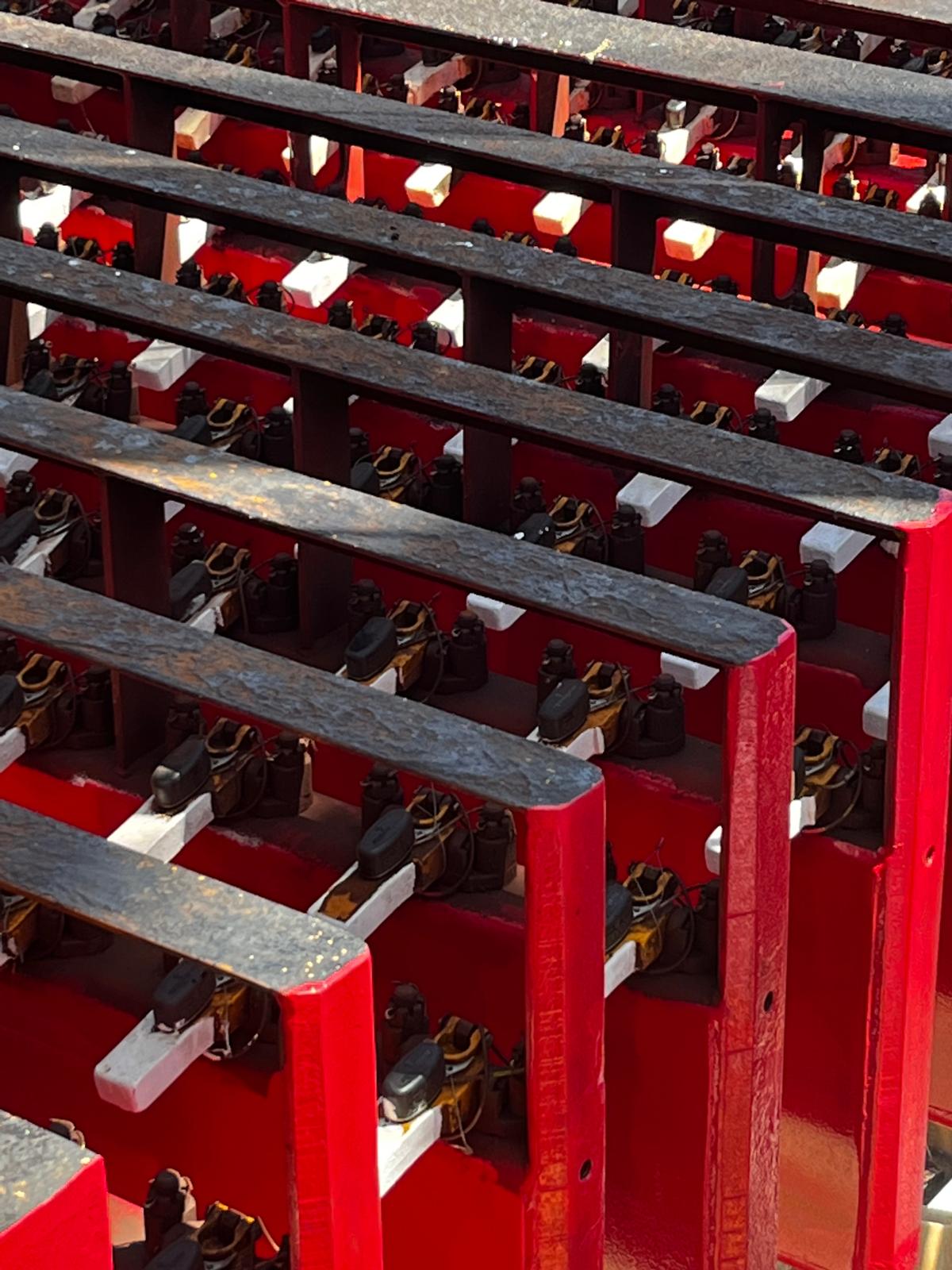
The deepwater oil and gas sector, a critical component of global energy supply, continually seeks advancements to enhance both safety and operational efficiency. The recent deployment of the upgraded Latch Hawk monitoring system on a semisubmersible rig in the Americas deepwater region marks a significant step forward in this pursuit. This second-generation technology, integrating directly into the rig’s drilling control network, offers real-time feedback on fingerboard latch status, a crucial element in mitigating the risk of dropped-objects (DROPS) incidents. For investors, this development is more than just a technical upgrade; it represents a tangible improvement in asset reliability, safety protocols, and ultimately, the long-term value proposition of deepwater operations in an increasingly scrutinized and volatile market.
De-Risking Deepwater Operations: A Key Investor Focus
In an environment where capital allocation prioritizes robust risk management and consistent returns, technologies that demonstrably improve safety and operational uptime become invaluable. The upgraded Latch Hawk system directly addresses a critical operational vulnerability: fingerboard latch failures. By providing instant, precise data on each latch’s position and flagging any out-of-tolerance conditions, the system effectively eliminates the need for manual spotters or camera surveillance, significantly reducing human error potential and exposure to hazardous zones. This advanced unit boasts new sensor technology, enhanced shock and vibration protection, a reinforced housing, and critical cloud-based condition monitoring with an impressive battery life exceeding seven years.
Operators adopting this technology have already reported a decrease in fingerboard-related incidents, underscoring its immediate impact. For investors asking about the robustness of deepwater project economics and how operators are mitigating inherent risks, this kind of innovation provides a clear answer. By preventing costly and potentially catastrophic DROPS incidents, the Latch Hawk system safeguards human capital, protects valuable equipment, and ensures continuous operations. This directly contributes to a more predictable production profile and lower insurance premiums, factors that are highly attractive to shareholders looking for stability in their energy portfolios. It addresses the underlying need for operational excellence that underpins a stable outlook for the sector, a key input for any base-case Brent price forecast for the next quarter.
Operational Efficiency in a Dynamic Market Landscape
The pursuit of efficiency is non-negotiable, particularly when considering the current market dynamics. As of today, Brent crude trades at $95.39, showing a modest increase of 0.63% within a daily range of $91.00 to $96.89. WTI crude similarly stands at $91.53, up 0.27%, fluctuating between $86.96 and $93.30. These figures reflect a market still finding its footing after a recent dip; Brent, for instance, has seen a notable decline from $102.22 on March 25th to $93.22 just yesterday. In such a volatile pricing environment, every percentage point of operational efficiency gained translates directly to improved margins and greater resilience for deepwater operators.
The Latch Hawk’s ability to prevent incidents and reduce downtime offers a substantial efficiency dividend. Fewer disruptions mean more uptime for the rig, leading to higher production rates and optimized resource utilization. This isn’t just about safety; it’s about maximizing the return on massive deepwater investments. By confirming latch status in real-time and automating a critical safety check, the system streamlines drilling operations, allowing crews to work with greater confidence and situational awareness. This efficiency gain is crucial for operators striving to maintain profitability and competitiveness, especially when crude prices fluctuate significantly, as they have in recent weeks. For investors, this translates into more consistent cash flows and a stronger financial position for companies leveraging such technologies.
Strategic Deployment and Future Deepwater Prospects
The recent deployment of the Latch Hawk system is part of a broader rollout across the Americas deepwater region, signaling a growing industry trend towards the digitization of safety-critical operations. This initiative complements the earlier installation of Salunda’s Crew Hawk Red Zone personnel-tracking system on four drilling platforms in Guyana, highlighting a comprehensive strategy to enhance offshore rig safety and efficiency through integrated digital solutions. These strategic adoptions indicate a strong industry appetite for proven technologies that deliver tangible operational benefits.
Looking ahead, this trend has significant implications for future deepwater investment and output. Upcoming calendar events, such as the Baker Hughes Rig Count reports on April 17th and April 24th, will offer insights into drilling activity. If efficiency-enhancing and de-risking technologies like Latch Hawk continue to prove their value, it could further incentivize capital allocation towards deepwater projects, potentially leading to an uptick in rig deployments in the medium term. While OPEC+ meetings on April 18th and 20th will focus on global supply agreements, a more reliable and efficient non-OPEC deepwater sector provides a more stable foundation for overall global supply, indirectly influencing the considerations of these major producers. The sustained enhancement of deepwater operational reliability through such innovations contributes to a more predictable global supply picture, a factor considered in long-term oil price assessments.
Investor Takeaway: Driving Sustainable Deepwater Value
For investors, the deployment of advanced safety and efficiency technologies like the Latch Hawk is a clear indicator of a proactive industry adapting to both operational challenges and market demands. This isn’t merely about incremental improvements; it’s about fundamentally de-risking deepwater assets and enhancing their long-term value proposition. By preventing incidents, reducing operational expenditure, and boosting uptime, these systems contribute directly to stronger financial performance and a more attractive investment profile for deepwater operators.
As investors continue to weigh their options in the energy sector, seeking clarity on 2026 Brent forecasts and the overall health of the supply chain, the adoption of digital safety and efficiency tools underscores a commitment to sustainable growth. Companies that embrace such innovations are better positioned to navigate market volatility, maintain consistent production, and ultimately deliver superior shareholder returns. The Latch Hawk upgrade is a microcosm of a larger trend: the digital transformation of offshore drilling, paving the way for a safer, more efficient, and more resilient deepwater future.