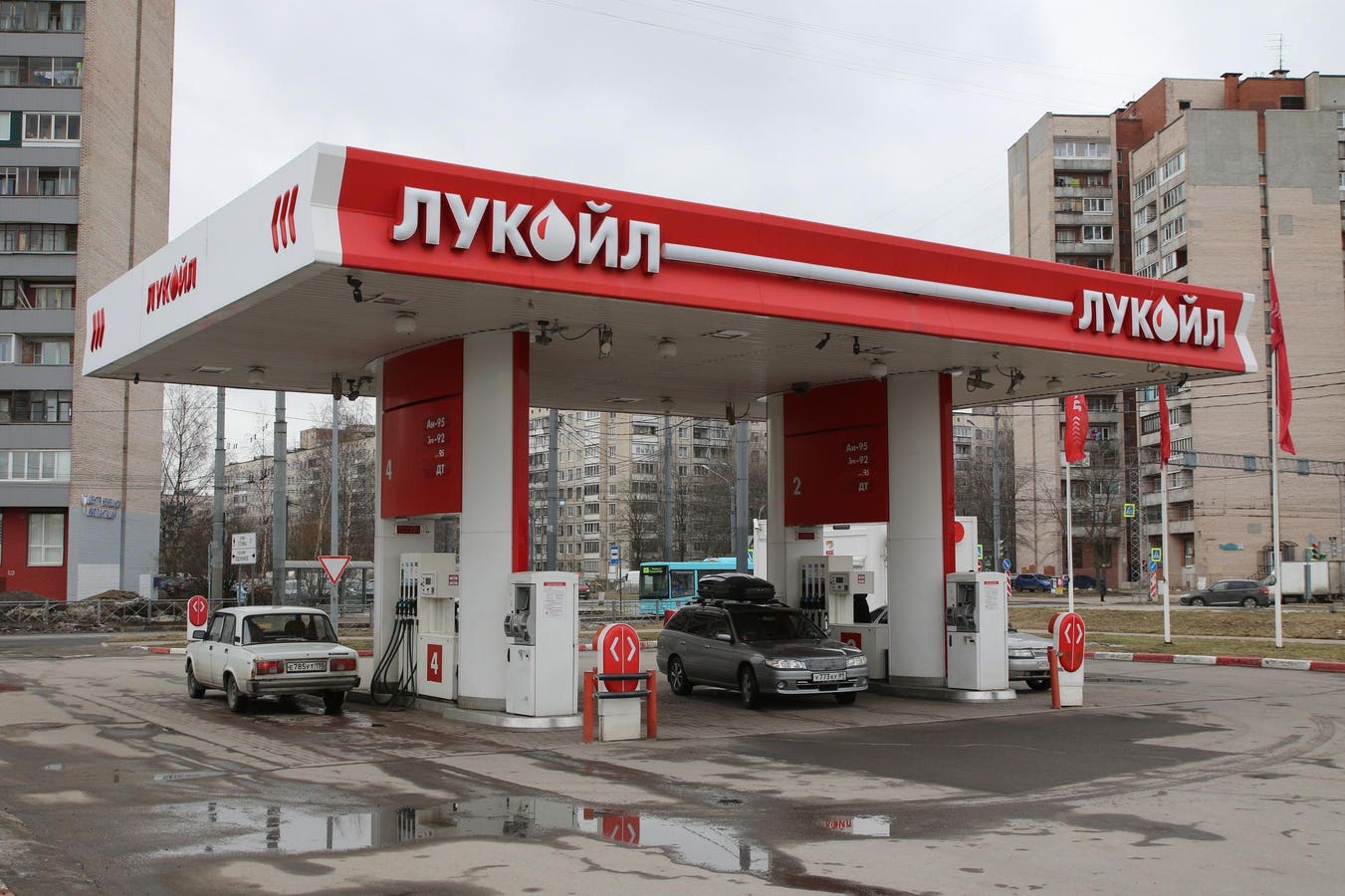
Russia’s Internal Combustion: A Deepening Fuel Squeeze
Russia’s domestic energy market is grappling with an escalating fuel crisis, a situation that officials are finding increasingly difficult to downplay. The challenges, rooted in geopolitical tensions and infrastructure vulnerabilities, are manifesting as significant price hikes, widespread shortages, and a dramatic decline in the profitability of independent fuel retailers. For investors monitoring global energy stability, understanding the depth of this internal struggle is paramount, as it introduces an unpredictable variable into the broader oil and gas landscape.
The scale of the problem is stark. Fuel prices across Russia have surged by an estimated 40-50% since the beginning of the year, imposing severe inflationary pressure on the public and threatening the viability of numerous businesses. Data indicates that approximately 50% of gas stations in occupied Crimea and Sevastopol have ceased selling gasoline due to critical supply disruptions. The Russian Fuel Union reports that profitability for gas stations has turned negative, with wholesale prices in some regions now matching or even exceeding retail prices. This challenging environment, exacerbated by shipment delays stretching up to two months, is draining capital and forcing closures among independent operators, who collectively manage about 60% of Russia’s retail fuel network. Estimates suggest over 300 independent fuel retailers have been forced to shut down since May, signaling a systemic stress on the domestic distribution chain.
Global Crude Prices vs. Russia’s Local Pain: A Divergence
While Russia’s domestic fuel market faces acute inflationary pressures and supply bottlenecks, the international crude market presents a somewhat different picture. As of today, Brent crude trades at $92.73 per barrel, marking a 0.9% daily dip, while WTI sits at $89.87, down 1.43%. This represents a significant shift from the Brent peak of $112.57 just three weeks prior, indicating a broader softening in global crude prices over the past fortnight, with Brent experiencing a $14 decline, or 12.4%. This divergence highlights a critical distinction: the current international crude price environment, influenced by global supply-demand dynamics and macroeconomic factors, does not reflect the severe, localized supply shocks gripping Russia’s internal market.
The domestic shortages are not confined to peripheral regions but have spread to over 20 Russian territories, including key urban centers like Nizhny Novgorod. Authorities have responded with measures such as freezing fuel prices for 30 days and limiting motorists to 30 liters per fill-up in Crimea, alongside a nationwide ban on gasoline exports and impending restrictions on diesel. These actions underscore the severity of the internal crisis, driven by an inability to meet domestic demand, even as global crude prices have moderated. For investors, this creates a complex scenario where a major oil producer is simultaneously experiencing internal energy market distress and contributing to, or reacting to, global price movements.
Geopolitical Strategy and Investor Focus on Supply Dynamics
The primary catalyst for Russia’s escalating fuel crisis is undeniably geopolitical. Ukrainian drone strikes have precisely targeted Russian refining infrastructure, creating a “complex fuel crisis Russia has faced in years.” By the end of September, nearly 38% of Russia’s refining capacity, equivalent to about 338,000 tons of crude per day, was offline. Crucially, around 70% of these outages, representing roughly a quarter of Russia’s total refining capacity or 236,000 tons per day, were directly attributed to these strikes. This deliberate strategy aims to inflict economic pain, impacting Russia’s ability to fuel its military and economy.
Our proprietary reader intent data reveals a consistent investor focus on global supply dynamics, with frequent inquiries regarding OPEC+ current production quotas and the real-time Brent crude price. This highlights the market’s sensitivity to any factors that could influence global supply stability. While Russia’s internal refining issues might not immediately translate to a direct reduction in its crude oil exports, the sustained attacks introduce a significant element of risk. Investors must consider how prolonged damage to refining capacity could eventually impact Russia’s ability to process its own crude for domestic consumption, potentially freeing up more crude for export or, conversely, creating a deeper internal crisis that distracts from export priorities. This geopolitical risk premium is a critical factor for any energy investment decisions, particularly for those with exposure to the broader Eurasian market or global supply chains.
Upcoming Catalysts and Navigating Future Oil Markets
The coming weeks present several key events that will shape the global energy landscape, and investors must evaluate these against the backdrop of Russia’s internal struggles. Investors should closely monitor the upcoming OPEC+ Joint Ministerial Monitoring Committee (JMMC) meeting tomorrow, April 17th, followed by the full Ministerial meeting on April 18th. These meetings are crucial for understanding potential shifts in production quotas, which directly impact global crude supply. While Russia’s domestic fuel crisis might not be a direct agenda item, the ongoing instability in a major producing nation could subtly influence the bloc’s collective strategy, particularly if it hints at future export volatility or changes in Russia’s capacity to meet its commitments.
Furthermore, regular data releases such as the API Weekly Crude Inventory (April 21st, 28th) and the EIA Weekly Petroleum Status Report (April 22nd, 29th) will provide critical insights into U.S. inventory levels and demand trends. The Baker Hughes Rig Count on April 24th and May 1st will offer a pulse check on North American production activity. These global indicators, when viewed alongside Russia’s intensifying internal fuel crisis, paint a complex picture for oil and gas investment. Investors need to assess how global supply-side decisions and inventory changes might react to – or be insulated from – Russia’s internal energy market turmoil. The confluence of geopolitical actions impacting a major producer and the regular cadence of global market data necessitates a highly informed and adaptive investment strategy to navigate the persistent volatility in oil markets.