Escalating Caribbean Tensions: A New Imperative for Oil Investors
Geopolitical tremors emanating from the Caribbean are sending ripples through the global energy landscape, demanding the close attention of oil and gas investors. Recent events off the coast of Cuba, including a deadly speedboat incident and an intensifying U.S. oil blockade, have prompted a stark warning from the Kremlin regarding the escalating situation. Russia’s vocal entry into the humanitarian debate surrounding Cuba’s fuel crisis adds a significant layer of geopolitical risk to an already volatile market. For investors, understanding these unfolding dynamics is crucial for navigating potential supply disruptions, price swings, and shifts in global energy alliances.
Caribbean Flashpoint: Cuba’s Deepening Fuel Crisis
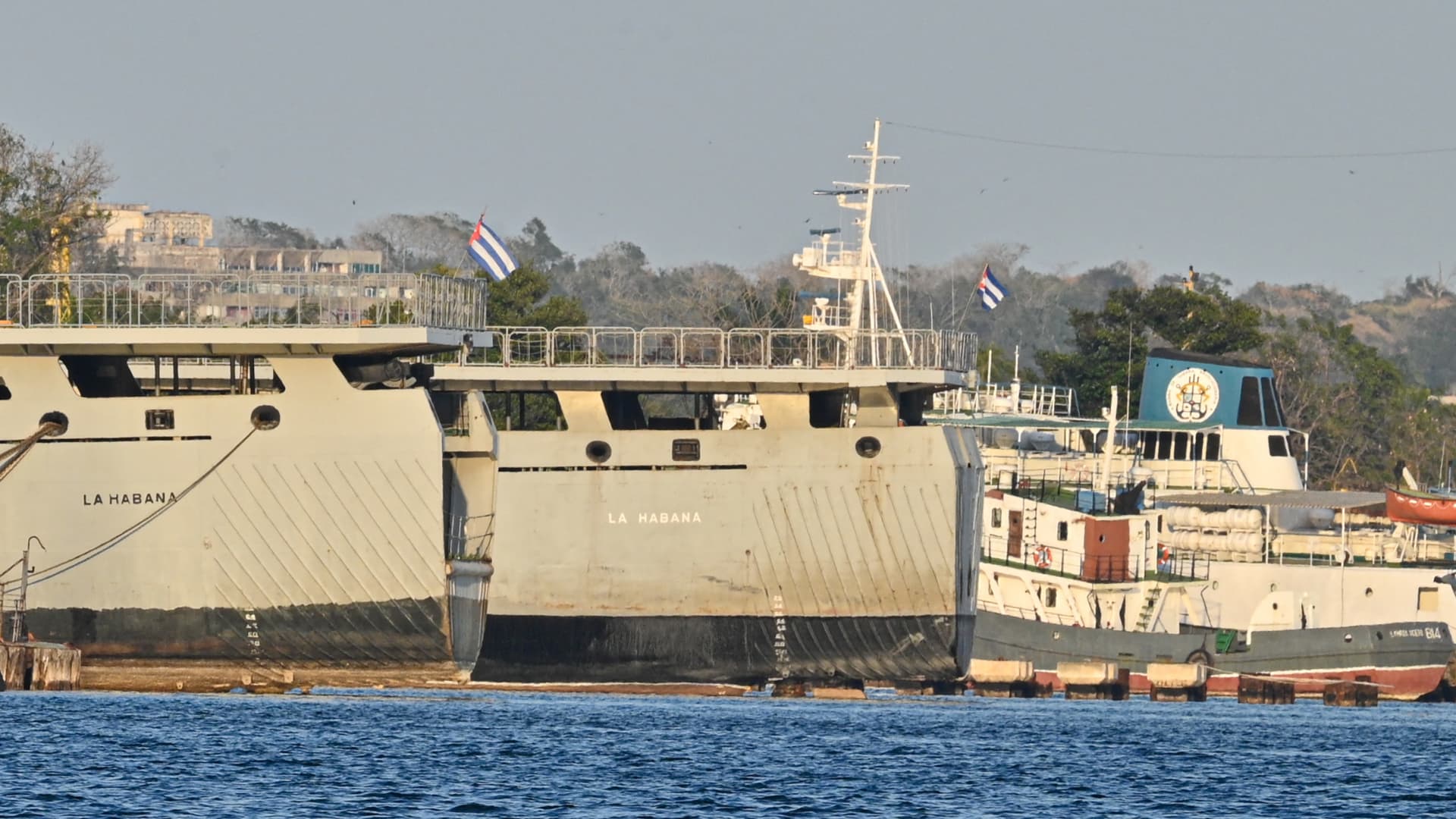
The situation in Cuba has reached a critical juncture following a deadly exchange of fire near its shores on February 25th. Cuban border guards reported killing four individuals and wounding six others aboard a U.S.-registered speedboat, alleging the passengers were armed Cuban nationals residing in the U.S. with criminal records. This incident exacerbates an already dire humanitarian situation on the island, which is grappling with a severe economic crisis and a debilitating U.S. oil blockade. The Trump administration’s policy, initiated with the effective cut-off of Venezuelan oil supplies since January 3rd, has left Cuba starved for fuel. U.S. Secretary of State Marco Rubio described the speedboat incident as “highly unusual,” with the White House pledging an independent investigation and appropriate response. Meanwhile, Cuba has resorted to rationing fuel for essential services, a measure underlining the severity of the crisis. The United Nations has warned of a possible humanitarian “collapse,” highlighting the urgent need for fuel relief. Mexico has offered some aid, sending food supplies, but the core issue of oil supply remains a pressing concern for the island nation.
Oil Market Reacts: Stability Amidst Underlying Volatility
While the geopolitical tensions around Cuba are significant, the broader oil market currently shows a degree of intraday stability, albeit against a backdrop of recent volatility. As of today, Brent crude trades at $93.86 per barrel, reflecting a modest 0.66% increase, while WTI sits at $90.22, up 0.61%. This relatively calm intraday movement, however, belies a market still sensitive to supply shocks and geopolitical premiums. Investors should note the significant shift in Brent prices over the past 14 days; Brent crude saw a substantial 19.8% decline from $118.35 on March 31st to $94.86 just yesterday, suggesting that while today’s movements are tempered, the market is quick to price in shifts in the supply-demand narrative. The current stability could be a temporary reprieve, as the full implications of Russia’s involvement in the Cuban crisis have yet to be fully absorbed, particularly concerning potential challenges to U.S. sanctions or new energy supply arrangements.
Russia’s Strategic Play: Implications for Global Supply
The Kremlin’s recent commentary, with spokesperson Dmitry Peskov stating, “We see that the situation around Cuba is escalating” and emphasizing the “humanitarian component,” signals a calculated entry into the crisis. This is more than mere rhetoric; it represents Russia positioning itself as a potential counterweight to U.S. influence in the Western Hemisphere. For oil investors, this raises critical questions about potential shifts in global energy geopolitics. If Russia decides to offer substantial energy or economic support to Cuba, it could directly challenge the U.S. blockade, potentially leading to increased friction and even direct confrontation over shipping routes or sanctions enforcement. Such a scenario would undoubtedly introduce a fresh supply risk premium into oil prices. Any Russian move to circumvent U.S. sanctions on Cuba, or to establish new energy supply lines, would represent a significant escalation that major oil producers and consumers would have to contend with. This developing narrative will be closely watched, especially as major energy decision-makers gather for upcoming events.
Investor Outlook: Navigating Supply Risks and Future Price Direction
Oil MarketCap readers are actively seeking clarity on the market’s direction, with prominent questions like “is WTI going up or down?” and “what do you predict the price of oil per barrel will be by end of 2026?” The escalating tensions around Cuba, coupled with Russia’s involvement, add another layer of uncertainty to these predictions. While the market has seen recent downward pressure, the potential for geopolitical flashpoints to disrupt supply remains a primary upside risk. Investors should closely monitor upcoming energy events for further market signals. The OPEC+ JMMC Meeting today, April 21st, will offer insights into major producers’ supply strategies, which could be influenced by global political stability. Further, the EIA Weekly Petroleum Status Reports on April 22nd and April 29th will provide crucial data on U.S. crude inventories and demand, impacting short-term price movements. Looking further ahead, the EIA Short-Term Energy Outlook on May 2nd will offer a more comprehensive forecast, which will likely factor in evolving geopolitical risks. Any overt Russian support for Cuba, particularly involving oil shipments, could prompt a rapid reassessment of global supply stability, pushing prices higher. While a precise “end of 2026” price remains elusive given the multitude of variables, the Cuban situation underscores that geopolitical risk premiums are very much a live component of the investment thesis for crude oil, making sustained high volatility a strong likelihood.