

The geopolitical landscape for global energy markets has suddenly tightened following Russia’s unprecedented detention of an oil tanker in the Baltic Sea. This provocative act, involving a Greek-owned vessel sailing under a Liberian flag, signals a dangerous escalation of maritime tensions and introduces fresh volatility for investors closely monitoring crude oil supply chains and international shipping routes.
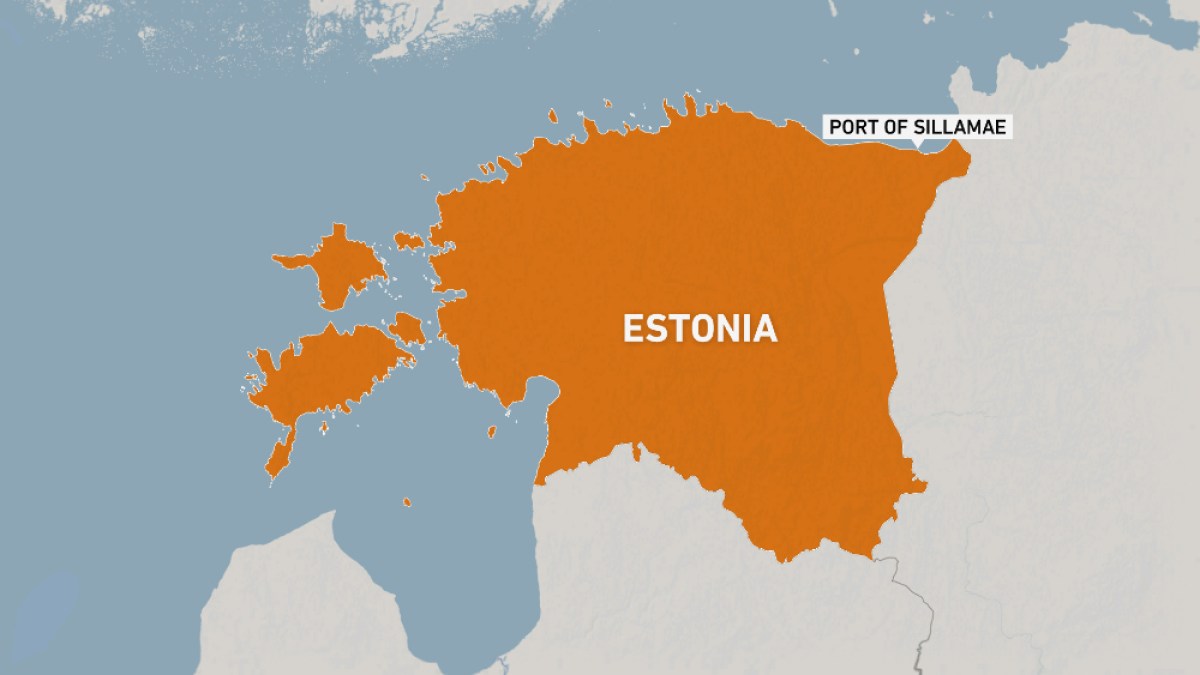
The incident unfolded as the tanker, identified as the Green Admire, departed the Estonian port of Sillamae. Its intended route, a historically agreed-upon passage through Russian waters, was part of a standing arrangement between Russia, Estonia, and Finland designed to facilitate safe navigation. However, the vessel, laden with a consignment of shale oil destined for Rotterdam in the Netherlands, found its journey abruptly halted. This detention marks a significant departure from established norms, with Estonian officials confirming that such incidents are without precedent in the region’s maritime history.
Escalating Maritime Tensions in the Baltic
Estonia’s Ministry of Foreign Affairs swiftly condemned the action, highlighting Russia’s increasingly unpredictable behavior on the international stage. Foreign Minister Margus Tsahkna emphasized the gravity of the situation, stating he had already informed NATO allies. In a direct response to safeguard its maritime traffic, Estonia announced that all future vessels originating from or destined for Sillamae will be rerouted exclusively through Estonian national waters. This strategic shift, while mitigating immediate risks, could introduce new complexities for shipping companies. Historically, tankers navigating out of Sillamae have favored Russian waters to circumvent Estonia’s shallower coastal areas, which pose considerable hazards, especially for larger crude oil carriers.
This latest development is not an isolated event but rather the culmination of growing friction in the Baltic Sea. Just days prior, the Estonian navy attempted to interdict an unidentified tanker suspected of belonging to Russia’s burgeoning “shadow fleet” as it traversed Estonian waters. Moscow’s immediate retort involved dispatching a fighter jet to escort the vessel, an action that reportedly violated Estonian airspace. These successive incidents underscore a rapidly deteriorating security environment that carries substantial implications for energy transit and regional stability.
The “Shadow Fleet” and Sanctions Evasion
The concept of the “shadow fleet” has become a critical talking point in energy circles since Russia’s full-scale invasion of Ukraine. This clandestine network of vessels, often operating under obscure flags and ownership structures, is a deliberate strategy by Moscow to circumvent Western sanctions designed to limit its crude oil export revenues. By employing these ships, Russia aims to maintain its global market access, thereby undermining the efficacy of international economic pressure. The recent confrontation involving an alleged shadow tanker suggests that these vessels are now operating with increased boldness, challenging established maritime boundaries and potentially drawing direct responses from NATO members.
For energy investors, the rise of the “shadow fleet” introduces several layers of risk. It complicates the accurate assessment of global oil supply, making it harder to track the true volume of Russian crude reaching the market. Furthermore, it raises concerns about safety and environmental standards, as these vessels often operate outside traditional regulatory oversight. Any incident involving a shadow tanker, whether an accident or a geopolitical confrontation, could have far-reaching consequences for maritime insurance markets and the broader energy trade.
Investor Implications: Risk Premium and Supply Chain Vulnerability
The detention of the Green Admire immediately adds a fresh geopolitical risk premium to crude oil prices. Markets typically react to such events by pricing in the potential for supply disruptions, even if the direct impact on global volumes is not yet clear. Investors should anticipate increased volatility in Brent and WTI futures as analysts assess the likelihood of further maritime incidents in critical shipping lanes like the Baltic Sea.
Beyond immediate price movements, the incident highlights the inherent vulnerability of energy supply chains. The rerouting of traffic from Sillamae, while a necessary security measure, could lead to longer transit times, increased fuel consumption, and potentially higher insurance premiums for vessels operating in the area. These factors translate directly into elevated operating costs for energy companies and could ultimately impact the delivered price of crude and refined products into Europe. The European Union, already grappling with energy security concerns, will undoubtedly view this escalation with serious apprehension.
Moreover, the incident serves as a stark reminder of the ongoing challenges in enforcing sanctions against Russia. If Moscow continues to leverage its shadow fleet and challenge international maritime norms, it could embolden other actors to bypass established regulations, leading to a more chaotic and less predictable global shipping environment. This uncertainty can deter investment in maritime infrastructure and long-term energy projects, as the risk profile of crucial transit routes increases.
Outlook for Baltic Sea Energy Security
The Baltic Sea is a vital artery for European energy flows, including the transportation of crude oil, refined products, and liquefied natural gas (LNG). Any sustained period of heightened tension or disruption in this region could have cascading effects across the continent’s energy grid. While the immediate impact of the Green Admire’s detention might be localized, the precedent it sets is concerning.
Investors should monitor several key indicators in the coming weeks:
- Further statements or actions from NATO and individual member states regarding maritime security in the Baltic.
- Changes in shipping insurance rates for vessels operating in the region.
- Any observed shifts in maritime traffic patterns and transit times for energy cargoes.
- New measures or counter-measures related to the identification and interdiction of shadow fleet vessels.
The detention of the Green Admire is a stark signal that the geopolitical risks impacting global energy markets are intensifying. It underscores the fragility of established maritime agreements and the persistent challenge of sanctions evasion. For shrewd investors, understanding these evolving dynamics is paramount to navigating an increasingly complex and volatile energy landscape.
