

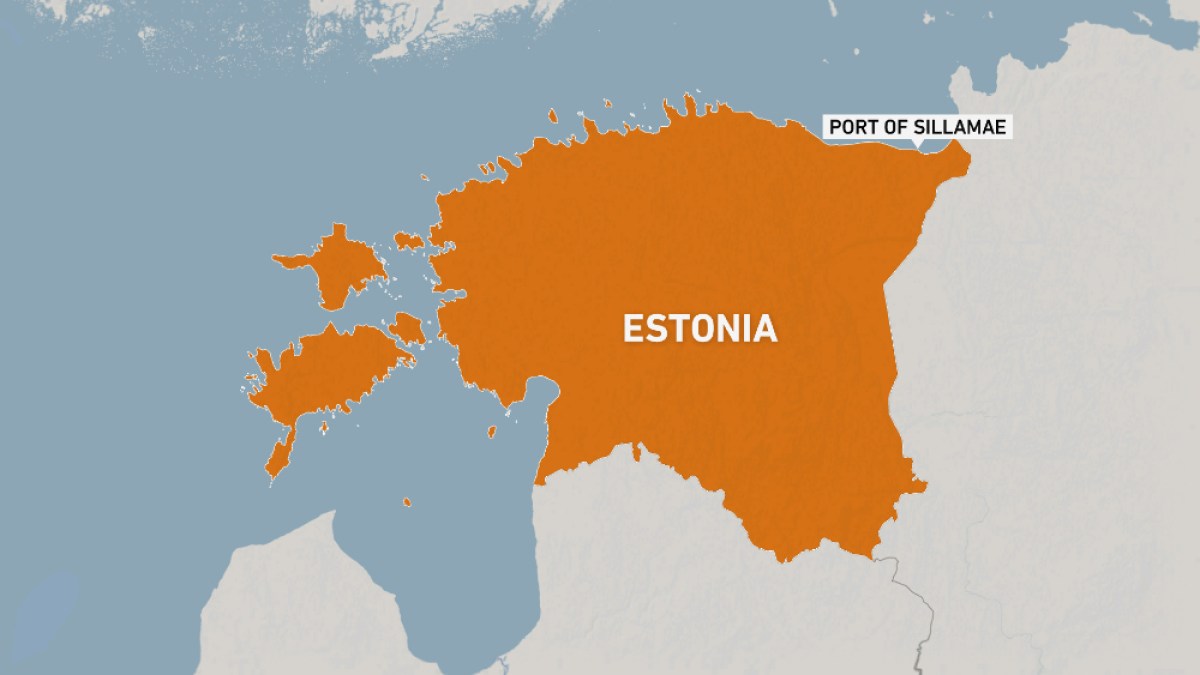
The geopolitical landscape of global energy shipping has seen a concerning escalation, with a recent incident in the Baltic Sea signaling heightened risks for the maritime oil trade. Russia’s detention of a Greek-owned, Liberian-flagged oil tanker, the Green Admire, departing the Estonian port of Sillamae, has sent ripples through the industry, prompting a swift re-evaluation of established shipping lanes and a surge in perceived operational hazards. This development underscores the unpredictable nature of regional politics and its direct implications for energy security and investor confidence.
The incident, confirmed by the Estonian Ministry of Foreign Affairs, occurred as the Green Admire navigated through Russian-controlled waters, a route previously sanctioned by a trilateral agreement involving Russia, Estonia, and Finland. This established corridor was traditionally utilized by vessels exiting Sillamae to circumvent shallower Estonian waters, which pose a significant navigational challenge for larger tankers. The vessel was reportedly laden with shale oil, bound for the critical refining hub of Rotterdam in the Netherlands, adding a layer of concern for European energy supply chains.
Mounting Maritime Risks and Estonian Response
Estonia’s immediate reaction to the detention has been decisive. In response to what its Foreign Minister, Margus Tsahkna, described as “unpredictable” Russian behavior, Tallinn announced a redirection of all maritime traffic to and from Sillamae exclusively through Estonian territorial waters. While this move aims to mitigate future incidents and safeguard national sovereignty, it inherently introduces new operational complexities. Tanker operators will now face the imperative of navigating around the very shallows they previously avoided, potentially increasing transit times, fuel consumption, and the risk of grounding for larger vessels. This tactical shift directly impacts the economics of shipping in the region, likely translating to higher operational costs and, consequently, a premium on the price of transported crude and refined products.
For investors in the shipping sector and commodity markets, this change is not trivial. It points to a new era where traditional, efficient routes are sacrificed for geopolitical safety, forcing a reassessment of logistical models and profitability projections. The incident, unprecedented according to local reports, serves as a stark reminder that even long-standing international agreements can be unilaterally disregarded, creating an environment of elevated uncertainty for maritime insurers and fleet owners.
The Shadow Fleet and Escalating Tensions
The detention of the Green Admire is not an isolated event but rather appears to be part of a broader, escalating pattern of maritime friction in the Baltic. It follows closely on the heels of a separate incident where the Estonian navy attempted to interdict an unflagged tanker, suspected of being part of Russia’s “shadow fleet,” transiting Estonian waters. This attempt was met with a robust Russian response, involving a fighter jet that violated Estonian airspace while escorting the vessel. These consecutive events paint a clear picture of heightened military presence and assertive posturing in a vital European sea lane.
The “shadow fleet” itself represents a significant challenge to the global oil market and the efficacy of Western sanctions. Comprising hundreds of older, often poorly insured and maintained vessels, this clandestine armada is instrumental in allowing Moscow to bypass international restrictions on its crude oil exports following its invasion of Ukraine. Its operations introduce inherent environmental and safety risks, but crucially for investors, they also contribute to market opacity and undermine the stability of conventional shipping routes and pricing mechanisms. The engagement of military assets in protecting these shadow operations further amplifies the geopolitical risk premium associated with energy transport.
Investment Implications for Oil & Gas
For investors focused on the oil and gas sector, these developments in the Baltic Sea carry several critical implications. Firstly, the immediate impact on shipping costs is undeniable. Increased insurance premiums, longer transit routes, and the potential for delays or detentions directly translate into higher freight rates. This, in turn, can compress margins for refiners and traders, or be passed on to consumers as higher fuel prices, potentially dampening demand in key markets. Secondly, the incident highlights the fragility of energy supply chains. Any disruption to a major shipping lane, even a regional one like the Baltic, can have cascading effects, tightening spot markets and increasing volatility.
Furthermore, the aggressive actions and counter-actions underscore the growing geopolitical risk embedded in oil and gas investments. Investors must now factor in a higher probability of state-sponsored interference, naval confrontations, and the weaponization of maritime sovereignty. This necessitates a robust risk assessment framework that goes beyond traditional market fundamentals to incorporate geopolitical forecasting. Companies with significant exposure to European energy imports or shipping operations in contested waters will likely see increased scrutiny and potentially higher capital costs. The long-term implications could include a push towards greater diversification of energy sources and transport routes, potentially accelerating investments in alternative energy infrastructure or non-maritime transport solutions.
Outlook: Navigating a Volatile Future
The detention of the Green Admire serves as a potent reminder that the energy market is inextricably linked to geopolitical realities. As nations grapple with the economic fallout of sanctions and the imperatives of energy security, the seas become increasingly contested spaces. For oil and gas investors, vigilance and adaptability are paramount. Understanding the nuances of maritime law, geopolitical flashpoints, and the operational risks associated with global shipping will be crucial in navigating an increasingly volatile and unpredictable landscape. The Baltic incident is not just a regional skirmish; it is a bellwether for the complex interplay of power, commerce, and risk that defines the contemporary energy market.
