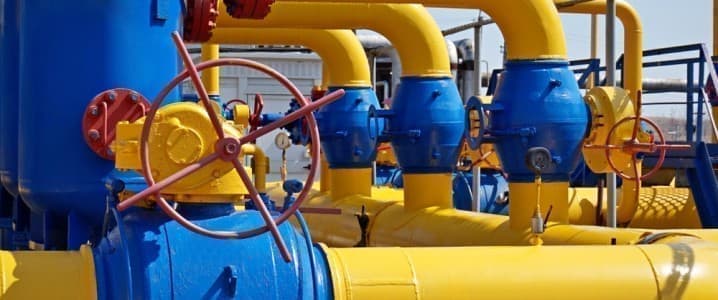
The global energy landscape continues its dramatic reshaping, with Russia’s strategic pivot towards Asia gaining new traction. Recent developments indicate Gazprom has signed a preliminary memorandum with China National Petroleum Corporation (CNPC) to advance the Power of Siberia 2 (PoS 2) natural gas pipeline. This move signals Russia’s intent to solidify its position as a major energy supplier to China, a critical shift following the significant reduction in its European export volumes. For investors, this agreement, while lacking crucial details like pricing and financing, represents a foundational step in a massive, multi-decade project that could profoundly alter global gas flows, supply security, and the long-term competitive dynamics of major energy players. Understanding the nuances of this emerging partnership, especially against a backdrop of volatile commodity markets and impending key industry events, is essential for informed investment decisions.
Russia’s Strategic Reorientation and the Scale of Ambition
In the wake of geopolitical shifts, Russia has aggressively sought new markets for its vast energy resources, with China emerging as the paramount strategic partner. The memorandum signed for the Power of Siberia 2 pipeline marks a significant, albeit early-stage, milestone in this reorientation. While Russia already supplies gas to China via the existing Power of Siberia 1, the proposed PoS 2, intended to funnel gas from Western Siberia through Mongolia to northeastern China, represents an ambition of an entirely different magnitude. Gazprom’s CEO has characterized this project as potentially the largest, most capital-intensive undertaking in the global gas industry. This declaration underscores Russia’s commitment to building out new export infrastructure to compensate for lost European demand, aiming for long-term energy security and revenue diversification. For investors tracking global energy flows, this pipeline’s eventual realization would solidify a major Eastward tilt for Russian gas, with profound implications for LNG markets and regional pricing dynamics. Our proprietary reader intent data reveals that investors are keenly focused on the broader context of Russian energy strategy, frequently asking about OPEC+ production quotas. This gas deal, while distinct from crude policy, reflects Russia’s overarching drive to secure its energy revenues and global market share across all hydrocarbons.
China’s Measured Approach Amidst Market Volatility
While Russia touts the Power of Siberia 2 as a monumental project, China’s response remains characteristically cautious and pragmatic. The signed memorandum is non-binding and notably lacks specific details on critical elements such as gas pricing and financing commitments – precisely the sticking points that have kept this project on the drawing board for years. China’s strategic patience, coupled with its immense negotiating leverage as Russia’s primary alternative market, suggests that Beijing will drive a hard bargain. Investors should view this as a long-term play, with significant hurdles remaining before concrete construction begins. China’s energy demand is robust and growing, but its strategy emphasizes diversification and competitive pricing. The absence of confirmed details means the project’s economic viability and ultimate capacity are still subject to intense negotiation. This dynamic plays out against a volatile global energy market. As of today, Brent crude trades at $90.38 per barrel, down 9.07% within a day range of $86.08-$98.97. WTI crude similarly saw a significant decline, currently at $82.59, down 9.41% within its daily range of $78.97-$90.34. Gasoline prices also reflect this downturn, at $2.93 per gallon, a 5.18% drop. This recent market softness, contrasting with a 14-day Brent trend that saw prices fall from $112.78 to $91.87, highlights the fluid nature of energy commodity valuations and provides China with additional leverage in long-term contract negotiations.
Upcoming Events Shaping the Broader Energy Outlook
The proposed Russia-China pipeline project, while a long-term strategic play, exists within a dynamic and frequently unpredictable short-term energy market. Investors must keep a close eye on upcoming events that will influence overall sentiment and, by extension, the capital allocation decisions for projects of this scale. This weekend is particularly critical, with an OPEC+ Joint Ministerial Monitoring Committee (JMMC) meeting scheduled for April 18th, followed by the full OPEC+ Ministerial Meeting on April 19th. These gatherings will provide crucial insights into the cartel’s production policy, directly impacting global crude supply and price stability. Changes in quotas or adherence levels could significantly shift market sentiment, indirectly influencing the perceived urgency and economic terms for major gas infrastructure projects. Beyond OPEC+, the weekly API and EIA inventory reports on April 21st and 22nd, respectively, will offer granular data on U.S. crude and product stockpiles, providing immediate indicators of supply-demand balances. The Baker Hughes Rig Count on April 24th will further inform expectations for future production. Our proprietary reader intent data shows a consistent investor focus on the future trajectory of oil prices, with frequent inquiries about where oil per barrel will stand by the end of 2026. While PoS 2 specifically concerns gas, the broader energy market sentiment driven by these upcoming events will undoubtedly influence the investment climate for all major energy infrastructure developments, including this ambitious trans-continental pipeline.
Investor Takeaways: Navigating the Uncertainty
For investors, the Power of Siberia 2 memorandum is a powerful signal of Russia’s strategic intent and China’s growing energy needs, but it is far from a done deal. The absence of crucial financial and pricing details means that significant execution risk remains. The project’s immense scale and capital intensity, as highlighted by Gazprom, suggest a multi-year development timeline, exposing it to potential shifts in geopolitical dynamics, commodity prices, and technological advancements in the interim. Investors should consider the potential long-term impacts on global gas supply diversification, particularly for LNG markets, as new pipeline capacity to Asia could alter competitive landscapes. However, short-term focus must remain on the immediate market drivers, including the outcomes of the upcoming OPEC+ meetings and the ongoing inventory data. These factors will dictate the immediate direction of crude and, by extension, influence the broader investment environment for energy infrastructure. Prudent investors will monitor further announcements from both Moscow and Beijing, looking for concrete commitments on financing and pricing that would signal a genuine acceleration of the Power of Siberia 2 project, transforming it from an aspirational memorandum into a tangible investment opportunity with clearer risk-reward profiles.


