

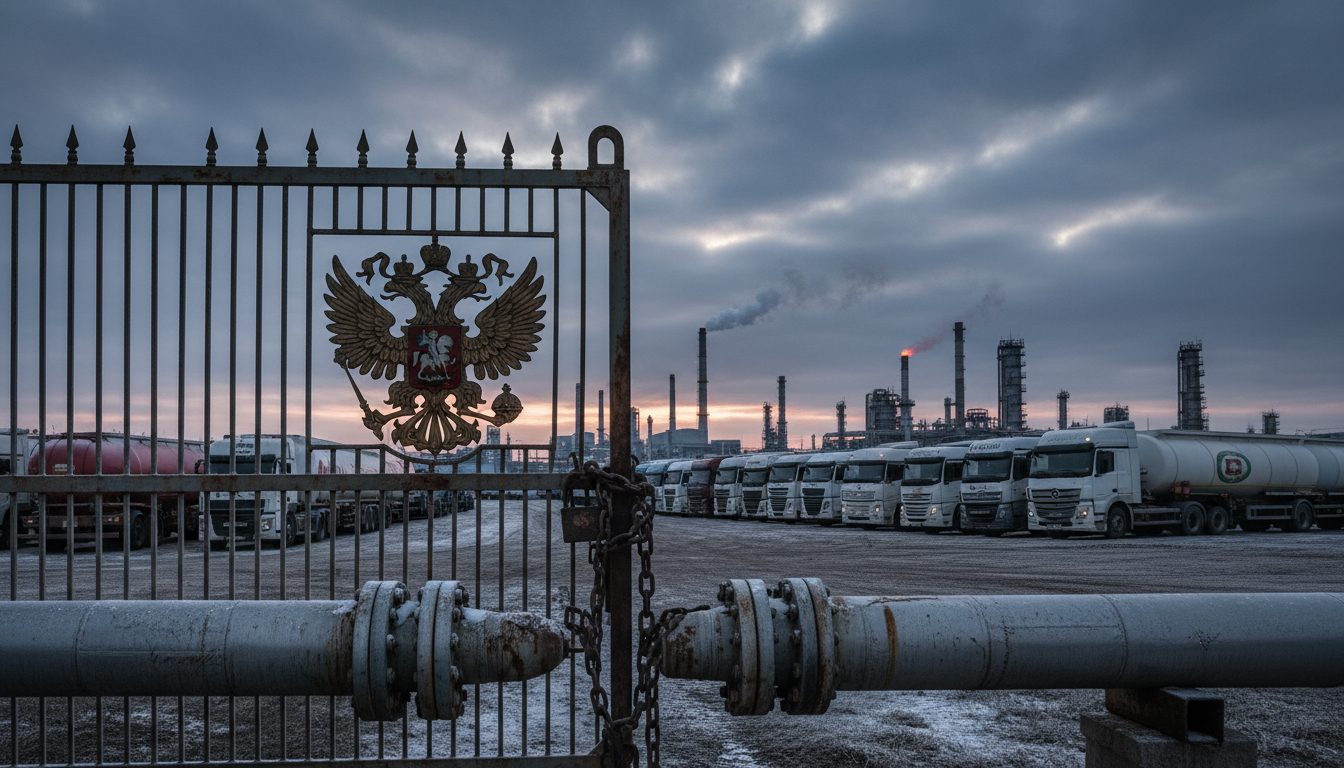
Russia Halts Gasoline Exports: A Deep Dive into Market Implications
Moscow has announced a critical shift in its energy policy, implementing a temporary ban on gasoline exports effective April 1. This significant directive, stemming from Deputy Prime Minister Alexander Novak, is slated to remain in force until July 31, a period encompassing key demand spikes. The move underscores Russia’s strategic pivot to prioritize domestic fuel stability and mitigate price volatility amidst a turbulent global energy landscape. For investors, understanding the drivers and potential fallout of this ban is paramount to navigating the refined products market in the coming months.
The explicit instruction from Deputy Prime Minister Novak to the energy ministry to draft the resolution formalizes the ban. While initial reports from state media outlets had earlier outlined the April 1 to July 31 timeframe, the government’s official statement confirms the measure. This period is particularly noteworthy as it coincides with heightened global demand for motor fuels, particularly as the Northern Hemisphere enters its peak driving season. The decision sends a clear signal regarding Russia’s commitment to internal market stability, even at the cost of relinquishing a portion of its lucrative export revenue for a defined period.
Navigating Global Volatility and Domestic Imperatives
Novak articulated the rationale behind the export suspension, citing significant price fluctuations in the global oil and oil products market. These disruptions, he noted, are largely attributable to the ongoing crisis in the Middle East. While acknowledging the robust demand for Russian energy resources internationally as a “positive factor,” this very demand puts upward pressure on domestic prices if not carefully managed. The ban, therefore, serves as a protective measure to insulate Russian consumers from international price shocks and ensure ample supply within its borders.
The government’s statement assures that crude oil processing volumes are holding steady at last year’s levels. This consistency in refinery output is intended to guarantee a stable supply of oil products for the domestic market, reinforcing the narrative of self-sufficiency during the export hiatus. However, this assertion comes against a backdrop of previous challenges that have plagued Russia’s fuel supply chain, underscoring the delicate balance Moscow aims to maintain.
Historical Context: Past Shortages and Strategic Responses
This isn’t Russia’s first foray into export restrictions to stabilize its domestic fuel market. Last year, several Russian regions, alongside territories in Ukraine under Russian administration, experienced notable gasoline shortages. These shortfalls were a confluence of factors: increased attacks by Ukraine on Russian oil refineries, which disrupted production capacity, and the seasonal surge in fuel demand during warmer months. Such prior episodes have evidently shaped Moscow’s proactive approach in anticipation of similar pressures this year.
Historically, Russia has demonstrated a willingness to impose curbs on both gasoline and diesel exports to rein in escalating fuel prices and address supply deficits. These measures, while effective in alleviating domestic pressure, inevitably ripple through the global market. Understanding this pattern is crucial for investors assessing the long-term reliability and predictability of Russian energy supplies on the international stage.
Analyzing the Export Volume and Market Impact
In the preceding year, Russia exported approximately 5 million metric tons of gasoline. This volume translates to roughly 117,000 barrels per day. While this figure might appear modest compared to global crude oil flows, it represents a significant contribution to the international refined products market, particularly for certain regional importers. The sudden removal of this supply for a four-month period is poised to exert upward pressure on global gasoline prices, especially in regions that have historically relied on Russian exports.
For commodity traders and energy investors, this ban creates a dynamic environment. Refiners in other parts of the world may see increased margins as global gasoline prices climb in response to tighter supply. Countries that previously sourced gasoline from Russia will need to find alternative suppliers, potentially leading to longer shipping routes and higher freight costs. This demand shift could benefit refiners in Europe, Asia, and North America, provided they have the capacity to increase output and meet new market needs.
Investment Outlook: Opportunities and Challenges
The Russian gasoline export ban presents a multifaceted scenario for energy sector investors. Companies involved in refined product storage and logistics could see increased activity and demand for their services. Integrated oil majors with diverse refining assets might capitalize on higher crack spreads, boosting their downstream profitability. Conversely, importers heavily dependent on Russian gasoline could face procurement challenges and elevated costs, which might impact their domestic pricing strategies and potentially consumer sentiment.
Beyond the immediate market mechanics, the ban also highlights geopolitical risks inherent in the energy sector. The Middle East crisis, combined with ongoing tensions between Russia and Ukraine, continues to be a significant driver of volatility. Investors must factor these geopolitical considerations into their risk assessments, recognizing that supply disruptions, whether due to conflict or policy decisions, can rapidly alter market dynamics. Monitoring the crude processing rates within Russia, alongside global inventory levels, will be crucial indicators for anticipating price movements during this export freeze.
In conclusion, Russia’s temporary gasoline export ban is a strategic domestic policy with undeniable international repercussions. Affecting approximately 117,000 barrels per day of supply over a critical four-month period, the measure is designed to stabilize internal markets amidst global energy turmoil. For astute investors, this development necessitates a careful re-evaluation of refined product market exposures, potential beneficiaries among refiners and traders, and the enduring influence of geopolitical factors on global energy prices.
