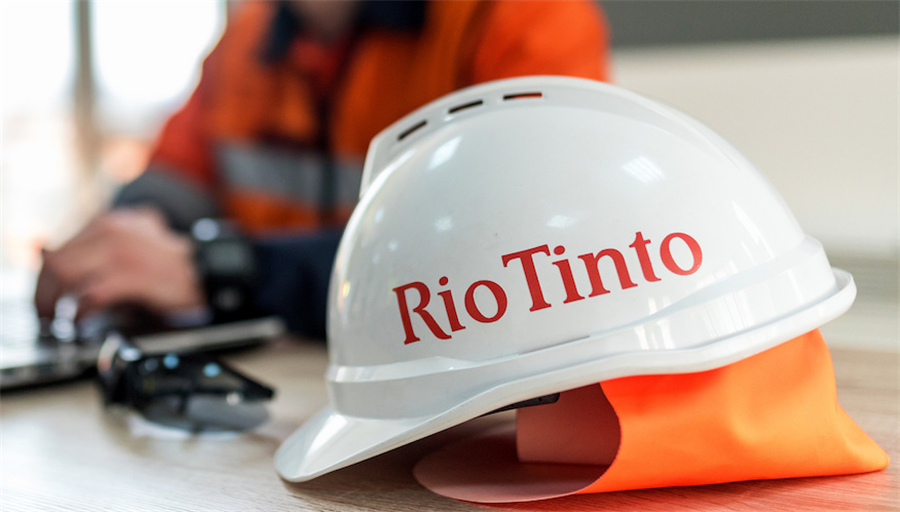
Major resource players are increasingly navigating a complex investment landscape, balancing traditional commodity cycles with the undeniable momentum of the global energy transition. Rio Tinto’s recent A$35 million (approximately $22 million USD) commitment to Calix’s hydrogen-enabled Zesty green steel technology in Western Australia is a prime example of this strategic pivot. This isn’t merely an R&D allocation; it’s a significant industrial endorsement for a decarbonization pathway, signaling a long-term vision that investors in the broader energy and materials sectors cannot afford to overlook. For OilMarketCap.com readers, this move by an industry giant offers crucial insight into how capital is being deployed to secure future value in a rapidly evolving energy matrix.
Strategic Portfolio Diversification in Decarbonization
Rio Tinto’s investment into the Zesty Green Iron plant in Kwinana, south of Perth, represents a calculated move to diversify its low-emissions iron production pathways. This partnership with Australian environmental technology firm Calix provides an alternative, potentially more adaptable route compared to its previously planned BioIron research facility at the same site. The company’s decision to refine its BioIron program while simultaneously accelerating Zesty underscores a pragmatic, portfolio-based approach to decarbonization. The Zesty process, leveraging Calix’s electric calciner technology alongside hydrogen reduction, offers a compelling solution for processing Pilbara iron ore with significantly lower emissions. Critically for a mining giant, this technology is touted to be compatible with a wider range of iron ore grades, providing a distinct advantage as global steelmakers increasingly seek scalable, sustainable alternatives. The scale of commitment is tangible: Rio Tinto will supply up to 10,000 tonnes of Pilbara ore for commissioning and early-stage testing, demonstrating a clear intent to bring this technology to fruition.
Navigating Volatile Markets: Green Investment Amidst Crude Swings
This substantial green steel investment by Rio Tinto arrives at a fascinating juncture for global energy markets. As of today, Brent crude trades at $89.81, reflecting a significant 9.64% drop from its daily open, with WTI crude similarly down by 9.97% to $82.08. This daily volatility, coupled with Brent’s 14-day trend showing a decline from $112.57 to $98.57 – a 12.4% reduction – illustrates the ongoing price fluctuations in traditional oil markets. While lower crude prices might temporarily ease cost pressures for some industrial processes, they do not diminish the long-term strategic imperative for decarbonization. Rio Tinto’s A$35 million commitment highlights a fundamental belief that the demand for low-emissions steel will continue to grow, driven by regulatory pressures, corporate ESG targets, and consumer preferences, regardless of short-term crude gyrations. Investors are keenly watching how companies balance these immediate market signals with long-term strategic shifts, recognizing that future profitability increasingly hinges on sustainable practices and reduced carbon footprints.
Addressing Investor Concerns: Beyond the Barrel Price
Our proprietary reader intent data reveals a consistent focus among investors on traditional oil market dynamics. Questions like “what do you predict the price of oil per barrel will be by end of 2026?” and “What are OPEC+ current production quotas?” dominate the discourse. This indicates a natural concern for the near-term stability and future trajectory of conventional energy assets. However, Rio Tinto’s investment serves as a powerful counterpoint, illustrating how major players are making long-term bets that transcend daily barrel price fluctuations. While the daily movements of Brent and WTI are critical for short-term trading and immediate revenue projections, a $22 million investment in green steel signals a strategic hedge against future carbon costs and evolving global demand for sustainable materials. The Western Australian government’s aggressive stance – positioning green iron as a future industrial base, aiming to become a renewable energy manufacturing hub, and even adopting an “if not, why not” approach to green steel procurement – creates a supportive ecosystem for such ventures. This demonstrates that for diversified resource companies, value creation increasingly flows from strategic alignment with the energy transition, offering a different kind of long-term stability than traditional fossil fuel assets.
Upcoming Catalysts and the Green Industrial Horizon
The next two weeks are packed with critical events for the traditional energy sector, including the OPEC+ JMMC and Full Ministerial meetings on April 17th and 18th, followed by a series of API and EIA weekly crude inventory reports on April 21st, 22nd, 28th, and 29th, alongside the Baker Hughes Rig Count on April 24th and May 1st. These events will undoubtedly shape short-term supply-demand narratives and influence crude pricing. Yet, for investors evaluating Rio Tinto’s green steel initiative, these are merely backdrop. The true forward-looking analysis here centers on the milestones for the Zesty Green Iron plant itself. The commitment of A$35 million is the initial spark; the next catalysts will be securing construction and operational approvals, the actual commencement of plant construction, and then the crucial commissioning and early-stage testing phases leveraging the 10,000 tonnes of Pilbara ore. The success and scalability of such demonstration facilities are vital for validating the technological and economic viability of green steel production. For investors seeking exposure to the structural shift in industrial decarbonization, tracking the progress of these specific projects, rather than just the daily crude ticker, will be paramount in identifying the next generation of value drivers in the resource sector.


