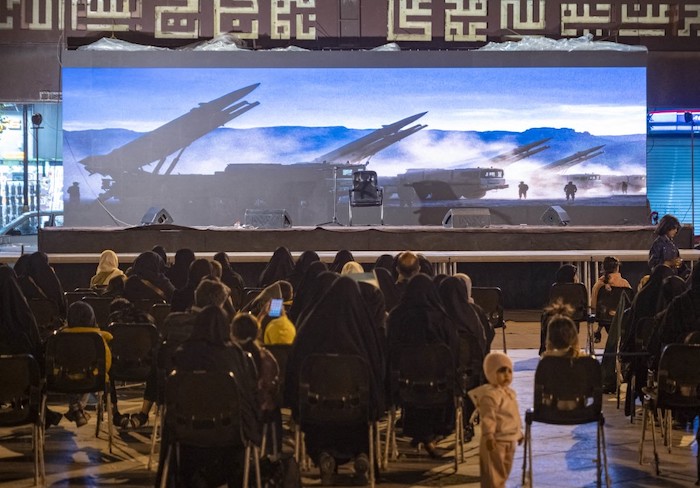
Geopolitical Tensions Escalate, Halting US-Iran Dialogue
The fragile ceasefire between the United States and Iran has been severely tested, casting a long shadow over global oil markets. A critical development unfolded with the seizure of an Iranian cargo ship, allegedly attempting to circumvent a US blockade on its ports. This incident prompted an immediate response from Tehran, with Iran announcing on Monday it has no plans to participate in a new round of negotiations with the US. This abrupt halt in diplomatic efforts reignites concerns about a potential return to open hostilities in the Middle East, a region vital for global energy supplies.
The US, led by President Donald Trump, had indicated a willingness to send negotiators to Pakistan for talks aimed at de-escalating the conflict. However, Trump also reiterated threats to target Iran’s energy infrastructure should a deal not materialize. Following an inconclusive initial round of discussions in Islamabad earlier this month, both nations have traded accusations of ceasefire violations. Iran’s foreign ministry spokesman, Esmaeil Baqaei, explicitly stated, “We have no plans for the next round of negotiation, and no decision has been made in this regard,” adding that US actions, including the blockade and cargo seizure, “do not in any way indicate seriousness in pursuing a diplomatic process” and constitute “clear violations of the ceasefire.” The ongoing dispute over compliance with the two-week truce, set to expire on Tuesday, centers on the crucial Strait of Hormuz, which Iran had briefly reopened before once again restricting passage, citing US breaches.
Current Market Snapshot: Navigating Volatility Amidst Geopolitical Risk
The recent geopolitical flare-up has injected significant uncertainty into an already dynamic crude market. As of today, Brent crude is trading at $94.84, reflecting a marginal decline of 0.67% within a daily range of $93.98 to $95.69. Similarly, WTI crude saw a dip, currently priced at $86.32, down 1.26% and fluctuating between $85.50 and $86.42. Gasoline prices also mirrored this trend, standing at $3.02, a 0.66% decrease from its daily high.
While the immediate impact of the latest news saw some upward pressure, as noted earlier this week with oil prices jumping sharply on Monday, the broader trend, as of today, presents a nuanced picture. Our proprietary data reveals a pronounced 14-day downtrend for Brent crude, which has fallen substantially from $112.78 on March 30th to $90.38 by April 17th – a significant 19.9% reduction. This indicates that while specific events can trigger short-term spikes, the underlying market sentiment has been grappling with broader pressures. The recent cargo seizure and the subsequent halt in talks underscore the persistent risk premium that traders must consider, especially given the potential for supply disruptions from the Middle East. Any escalation could quickly reverse current price movements, demanding constant vigilance from investors.
Upcoming Energy Calendar: Critical Dates for Market Direction
Looking ahead, investors face a packed calendar of energy events that will undoubtedly interact with the heightened geopolitical tensions. The OPEC+ Joint Ministerial Monitoring Committee (JMMC) Meeting is scheduled for today, April 20th, followed by the full OPEC+ Ministerial Meeting on April 25th. These gatherings take on amplified significance against a backdrop of potential supply disruptions from the Persian Gulf. Any shift in crude output strategy from the cartel, whether through production cuts or increases, could profoundly impact price stability, particularly if the Strait of Hormuz remains a flashpoint.
Furthermore, regular inventory reports will offer crucial insights into global supply-demand dynamics. The API Weekly Crude Inventory reports are due on April 21st and April 28th, with the more comprehensive EIA Weekly Petroleum Status Reports following on April 22nd and April 29th. These releases will detail US crude oil stocks, refining activity, and product supplied, providing a clearer picture of market fundamentals outside of the immediate geopolitical sphere. The Baker Hughes Rig Count, scheduled for April 24th and May 1st, will also inform expectations around future US domestic production. Investors must carefully monitor these scheduled events, as their outcomes, when combined with the evolving situation between the US and Iran, could trigger significant market shifts.
Addressing Investor Concerns: Price Direction and Future Outlook
Our internal analytics, derived from reader intent data, reveal a clear focus among OilMarketCap.com readers on price direction and the fundamental drivers shaping the energy landscape. Investors are actively questioning, “Is WTI going up or down?” and seeking predictions for crude prices by the end of 2026. These inquiries underscore the inherent uncertainty stemming from geopolitical flashpoints like the recent Iran cargo seizure, which directly influences supply risk perception.
The volatility introduced by potential supply disruptions through the Strait of Hormuz, a critical chokepoint for a substantial portion of global oil shipments, directly feeds into these anxieties regarding future price trajectories. Furthermore, the interest in specific company performance, such as “How well do you think Repsol will end in April 2026,” highlights a broader desire to translate macro geopolitical risks and market volatility into actionable investment strategies for individual energy stocks. These questions signal that investors are not merely observing but actively seeking to position themselves in an environment where geopolitical events can swiftly alter market fundamentals and company valuations. The ability to accurately forecast the impact of these tensions on production, demand, and transit routes remains paramount for informed decision-making.