The global energy landscape is continuously reshaped by geopolitical tensions and market dynamics, and a recent development from Reliance Industries Ltd. (RIL) underscores this volatility. India’s largest refiner has strategically resumed purchases of discounted Russian crude, navigating complex sanction frameworks to secure vital feedstock for its massive refining operations. This move is not merely an isolated transaction; it represents a calculated maneuver with far-reaching implications for global oil flows, refining economics, and the efficacy of international sanctions, demanding close attention from discerning oil and gas investors.
Strategic Sourcing: Navigating Sanctions for Sustainable Supply
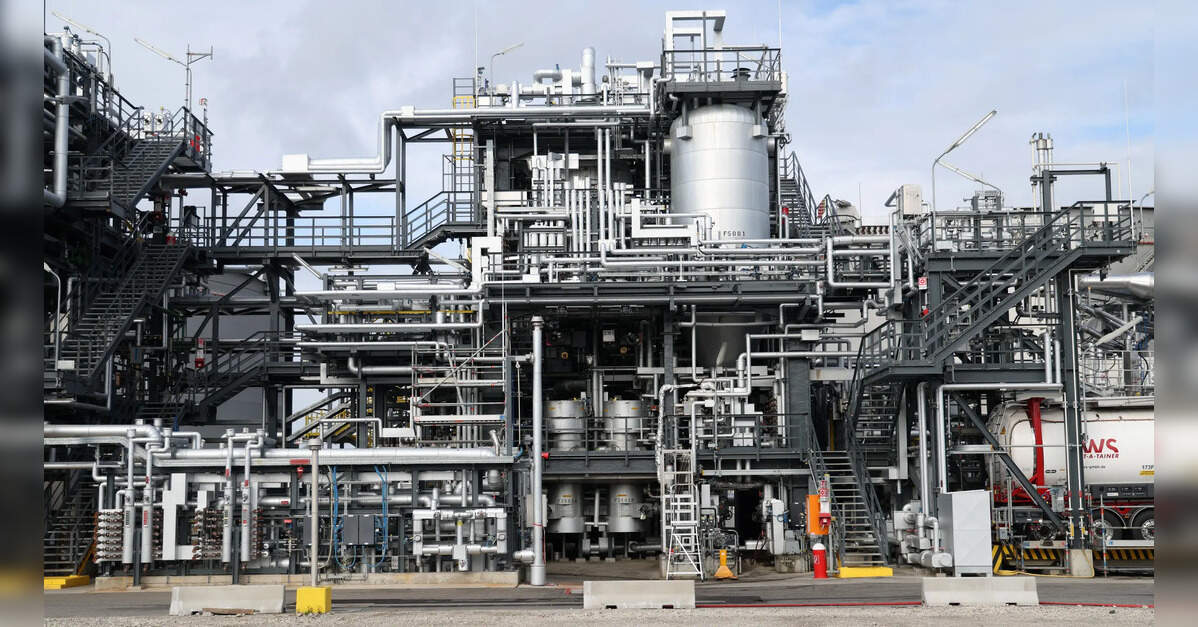
Reliance Industries has meticulously re-entered the market for Russian crude, demonstrating a sophisticated approach to supply chain management under sanction regimes. The company paused its Russian purchases following the October 22 US sanctions on Rosneft PJSC and Lukoil PJSC, which provided a one-month grace period for transactions to wind down. However, RIL has now resumed acquiring barrels from non-sanctioned Russian suppliers, ensuring compliance while capitalizing on attractive pricing. These shipments, reportedly facilitated by Aframax tankers from RusExport, are directed to RIL’s 660,000-barrel-per-day refinery in Gujarat. This facility is crucial for India’s domestic fuel supply, highlighting the strategic national importance of maintaining cost-effective operations. The decision to resume these purchases is expected to partially mitigate the recent downturn in India’s overall Russian oil imports, which officials had projected could halve this month. Furthermore, it’s notable that Reliance was granted an additional month to receive cargoes contracted before the October 22 deadline, indicating a degree of operational flexibility and forward planning critical for a refiner of its scale.
The Economic Imperative: Discounted Crude in a Decelerating Market
RIL’s pivot back to discounted Russian crude is a stark reflection of prevailing market conditions and the relentless pursuit of refining margin optimization. As of today, Brent crude trades at $89.95 per barrel, down 0.53% for the session, having ranged between $93.87 and $95.69. WTI crude similarly tracks lower at $86.28, a 1.3% decline, fluctuating between $85.50 and $87.47. This snapshot reveals a market experiencing downward pressure. More significantly, the past two weeks have seen Brent crude plummet from $118.35 on March 31 to $94.86 on April 20, representing a substantial $23.49 or nearly 20% decline. This steep reduction in benchmark prices amplifies the economic incentive for refiners like Reliance to secure feedstock at an even deeper discount. The ability to source cheaper crude directly enhances refining profitability, a critical factor when margins are under pressure from fluctuating product prices, such as gasoline, which currently sits at $3.03 per gallon, down 0.33%. For a refinery supplying a domestic market, these cost savings can translate into competitive pricing for consumers and robust returns for shareholders, making such strategic sourcing an indispensable component of long-term success.
Forward Implications: OPEC+, Global Flows, and Sanctions Efficacy
The resumption of significant Russian crude purchases by a major player like Reliance carries substantial forward-looking implications for global oil markets and policy. Investors should closely monitor upcoming events, particularly the OPEC+ Joint Ministerial Monitoring Committee (JMMC) Meeting scheduled for April 21. Continued strong demand from key importers like India for Russian volumes, even if discounted, could factor into OPEC+’s deliberations on production quotas. If major buyers consistently absorb Russian oil, it may reduce the urgency for OPEC+ to implement deeper cuts, potentially impacting global supply levels and, consequently, crude price trajectories. Moreover, the efficacy of international sanctions is continually tested by such strategic maneuvers. RIL’s successful navigation demonstrates that while sanctions may shift trade routes and suppliers, they do not necessarily eliminate demand for the sanctioned product. Investors should also pay keen attention to the EIA Weekly Petroleum Status Reports on April 22 and April 29, the API Weekly Crude Inventory reports on April 28 and May 5, and the EIA Short-Term Energy Outlook on May 2. These releases will provide crucial insights into global inventory levels and demand trends, which will undoubtedly be influenced by large-scale refining operations and their feedstock choices.
Investor Perspective: Refining Sector Resilience and Oil Price Outlook
For investors, Reliance’s actions offer a valuable case study in the resilience and adaptability of the refining sector amidst geopolitical complexities. Many are grappling with questions regarding the future direction of crude prices, with some asking whether WTI will trend up or down, and others seeking predictions for the price of oil per barrel by the end of 2026. The strategic sourcing of discounted crude, as exemplified by RIL, has a direct bearing on these inquiries. By securing cheaper feedstock, refiners can cushion themselves against volatility in benchmark crude prices and maintain healthier refining margins. This capability differentiates top-tier refiners who can navigate complex supply chains and regulatory environments from those who cannot. In the short term, continued absorption of Russian crude by major players might place a cap on global oil prices by ensuring a steady flow of supply, even if it’s off-market. Over the longer term, this dynamic could contribute to a bifurcated oil market, where discounted barrels continue to find buyers, potentially tempering the upside potential for WTI and Brent. Investors should consider the operational flexibility and geopolitical savvy of refining companies as critical factors when evaluating their investment thesis in the energy sector, recognizing that the ability to adapt to a fragmented global supply landscape will be paramount for sustained profitability.


