Reform UK Unveils North Sea Energy Strategy: Tax Cuts Paired with State Equity Demands
A bold new vision for the North Sea oil and gas sector is emerging from the UK political landscape, promising both significant incentives and a potentially controversial new model for investment. Reform UK, a rising force in British politics, is actively courting energy companies with a proposition designed to reverse the tide of declining hydrocarbon investment. Their strategy involves a compelling offer of substantial tax relief and a dramatic rollback of environmental regulations, yet it comes with a distinctive caveat: a demand for taxpayer equity stakes in future North Sea drilling endeavors. This policy blend presents a fascinating, albeit complex, proposition for investors eyeing the region’s hydrocarbon potential.
“Day One” Overhaul: A New Era for UK Hydrocarbons?
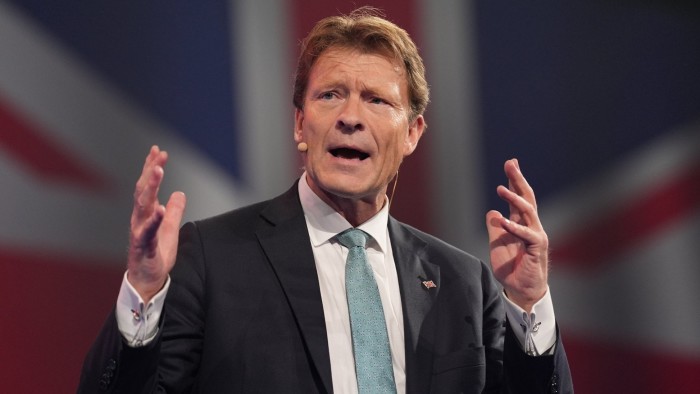
Richard Tice, Reform UK’s deputy leader, has been at the forefront of this outreach, engaging directly with numerous energy executives in recent weeks. The party’s platform signals a dramatic departure from current government policies, with Tice promising an immediate “day one” assault on existing net-zero restrictions. This includes a commitment to reversing limitations on new oil and gas exploration, signaling a clear intent to invigorate the domestic hydrocarbon industry. Should Reform UK secure power, Tice indicates that billions of pounds in new hydrocarbon investments could be announced swiftly, aiming to revitalize a sector currently facing significant headwinds. With the next general election mandated to occur by 2029, the party is positioning itself as the champion of energy independence and economic growth through domestic resource utilization.
The State Equity Gambit: A Left-Leaning Twist on Business Policy
Central to Reform UK’s energy policy is the proposal for taxpayers to acquire equity stakes in oil and gas ventures. This move represents a notable shift for the party, which, alongside its co-leader Nigel Farage, has recently pivoted its core focus from Brexit to twin pillars of immigration control and opposition to stringent net-zero energy policies. The inclusion of state ownership in national assets, traditionally a policy more commonly associated with left-leaning political ideologies, adds a unique dimension to Reform’s otherwise pro-business, deregulation-focused agenda. For investors, this introduces a new consideration: the potential for government participation in project economics and governance, alongside the promised benefits of a more favorable tax and regulatory environment.
Industry Reactions: Intrigue Mixed with Apprehension
The engagement with independent oil and gas executives also marks Reform UK’s nascent efforts to forge connections with established businesses, aiming to bolster its growing political standing. While the promise of reduced fiscal burdens and a more permissive regulatory environment has undoubtedly piqued the interest of many, the concept of state participation in privately funded ventures introduces a layer of apprehension. Sources within the industry express concern over policies that could be perceived as a form of nationalization or direct government involvement in infrastructure projects traditionally driven by private capital. However, the appeal of a “Trump playbook” approach to deregulation and tax incentives is undeniable, creating a unique “charm offensive” that has executives intrigued by the potential for a more favorable operating landscape. Despite this curiosity, a widespread commitment from the sector remains distant, with many viewing the party as still developing its full political infrastructure and long-term viability.
Tice’s Plea to Investors: “Don’t Give Up” on the North Sea
Confirming his proactive outreach, Richard Tice emphasized his conviction that the current trajectory of North Sea investment is a “tragedy.” He attributes the winding down of many companies’ investments to the impact of windfall taxes imposed by previous Conservative and current Labour governments. Tice directly implores companies to “not give up” on the UK’s hydrocarbon potential, predicting a significant “sea change” in the political and economic landscape within the next four years. He advises energy firms to actively prepare their license applications, signaling Reform UK’s intent to fast-track approvals should they assume governmental power. This direct appeal underscores the party’s desire to send a clear message: a Reform UK government would be an active partner, ready to support and accelerate domestic energy production.
Strategic Positioning and Future Outlook for North Sea Capital
Reform UK’s strategy represents a calculated gamble, attempting to attract substantial capital back into the North Sea by offering a compelling package of incentives while simultaneously introducing a new model of state involvement. For energy investors, the proposition demands careful evaluation. The potential for a significantly improved fiscal and regulatory regime offers a powerful draw, contrasting sharply with the current environment. However, the uncertainties surrounding the implementation of equity stakes and the party’s longer-term political stability present considerable factors for consideration. As the UK approaches its next general election, the energy sector will closely monitor Reform UK’s trajectory, weighing the potential benefits of a dramatically altered policy landscape against the inherent risks of pioneering a new investment framework in the North Sea.