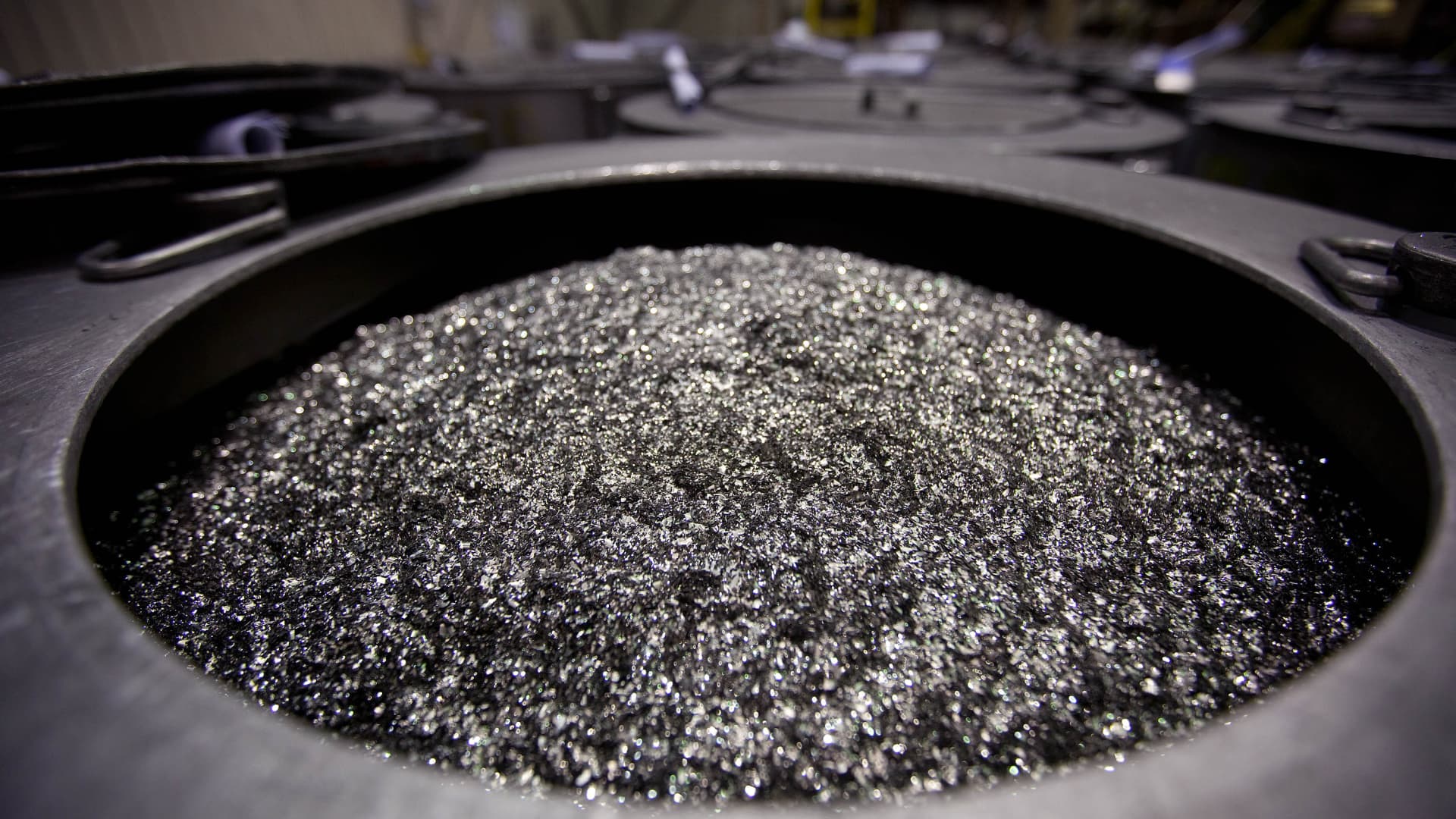
The global energy landscape is undergoing a profound transformation, marked by a dual imperative: securing reliable energy supplies while simultaneously accelerating the transition to a low-carbon future. Within this intricate shift, a less obvious yet strategically critical sector is rapidly gaining prominence: rare earth magnet production. As geopolitical tensions intensify and nations race to de-risk their supply chains, particularly from dominant players, companies spearheading the development of domestic “mine-to-magnet” capabilities are emerging as compelling investment opportunities. For sophisticated investors looking beyond traditional oil and gas plays, understanding the dynamics of this burgeoning market is paramount.
The Geopolitical Imperative Driving Magnet Demand
The strategic significance of rare earth magnets cannot be overstated. These indispensable components power everything from the electric vehicles and wind turbines central to the energy transition, to the sophisticated smartphones, medical equipment, and advanced weaponry defining our modern world. Historically, the global supply chain for these critical materials has been heavily concentrated, with one nation holding a near monopoly on both raw material processing and magnet manufacturing. This concentration, estimated at over 90% in a single jurisdiction, has become a significant vulnerability in an era of heightened geopolitical rivalry and trade friction.
In response, Western nations including the U.S., European Union, and Australia are actively pursuing robust strategies to cultivate resilient, localized supply chains. This involves substantial governmental and private sector investment in new processing facilities, magnet manufacturing plants, and research & development. The objective is clear: reduce reliance on external sources, ensure national security, and capitalize on the burgeoning demand from industries undergoing rapid expansion, such as robotics and energy-efficient motor production. The market for rare earth magnets, currently estimated at 250,000 metric tons globally, is projected to more than double within the next decade, soaring to 600,000 tons. This secular growth trajectory, driven by fundamental physical properties rather than transient software trends, underpins the long-term investment thesis for producers in this space.
Navigating Market Volatility: Rare Earths Amidst Oil Swings
While the long-term outlook for rare earth magnets appears robust, it’s crucial for investors to consider the broader energy market context. As of today, Brent crude trades at $90.18 per barrel, marking a marginal decrease of 0.28% within a day range of $93.87 to $95.69. Similarly, WTI crude is priced at $86.65, down 0.88% from its range of $85.50 to $87.47. This current stability, however, follows a period of significant price compression, with Brent crude shedding nearly 20% of its value over the past fortnight, dropping from $118.35 on March 31st to $94.86 just yesterday.
This volatility in traditional energy markets, while not directly impacting the intrinsic demand for rare earth magnets, can influence overall investor sentiment and capital allocation. Lower oil prices might temporarily ease inflationary pressures, but the underlying drive for energy independence and decarbonization remains a powerful catalyst for rare earth investments. Companies positioned to benefit from this diversification away from fossil fuels, particularly those establishing new production hubs, stand to attract significant capital, even as the traditional oil and gas sector navigates its own complex dynamics.
Upcoming Catalysts and Strategic Expansion
The momentum behind Western rare earth magnet production is not merely theoretical; it’s backed by tangible project developments and strategic initiatives. A prime example is the recent operational launch of a significant rare earth magnet facility in Narva, Estonia, strategically positioned within the European Union. This plant is a critical component of Europe’s sovereignty strategy, aiming to significantly reduce its reliance on external suppliers. The facility is on track to produce 2,000 metric tons of rare earth magnets this year, with plans to scale up rapidly to 5,000 tons and beyond, directly addressing the growing European demand for these vital materials.
Looking ahead, the next few weeks offer several key energy events that, while focused on traditional oil and gas, will provide a pulse on the broader energy sector’s health and direction. The OPEC+ JMMC Meeting on April 21st will offer critical insights into global supply strategy, while the EIA Weekly Petroleum Status Reports on April 22nd and April 29th, alongside the Baker Hughes Rig Count on April 24th and May 1st, will detail U.S. production and inventory levels. The EIA Short-Term Energy Outlook on May 2nd will provide a macro view of energy supply and demand. While these events directly impact crude and natural gas, their outcomes influence the broader capital environment, shaping investor appetite for alternative energy plays, including rare earth magnet manufacturers. Sustained high oil prices might accelerate the shift to EVs, while lower prices could impact overall investment sentiment. Savvy investors will monitor these broader indicators while maintaining a focus on the secular growth drivers of the rare earth sector.
Addressing Investor Questions: Long-Term Value in a Shifting Landscape
Our proprietary reader intent data reveals a prevailing sense of uncertainty within the traditional energy investment community, with queries such as “is WTI going up or down” and “what do you predict the price of oil per barrel will be by end of 2026?” dominating investor inquiries this week. This short-term focus on price fluctuations underscores a desire for clarity in volatile markets. However, the investment thesis for rare earth magnet stocks presents a different, more foundational narrative.
While analysts rightly caution that Western nations face an uphill battle to fully escape the gravitational pull of established supply chains in the near term, the long-term trajectory is undeniable. The demand for rare earth magnets is underpinned by fundamental technological progression and global decarbonization goals, making it less susceptible to the immediate swings seen in crude oil. The argument that the “end-market is growing from the point of physics, not software,” suggests a resilient demand profile not tied to any single end-user, but rather the broad spectrum of energy-efficient motors across industries. For investors seeking diversification and exposure to critical enabling technologies for the future economy, rare earth magnet producers offer a compelling opportunity for long-term value creation, even as the broader energy market navigates its ongoing transformations.