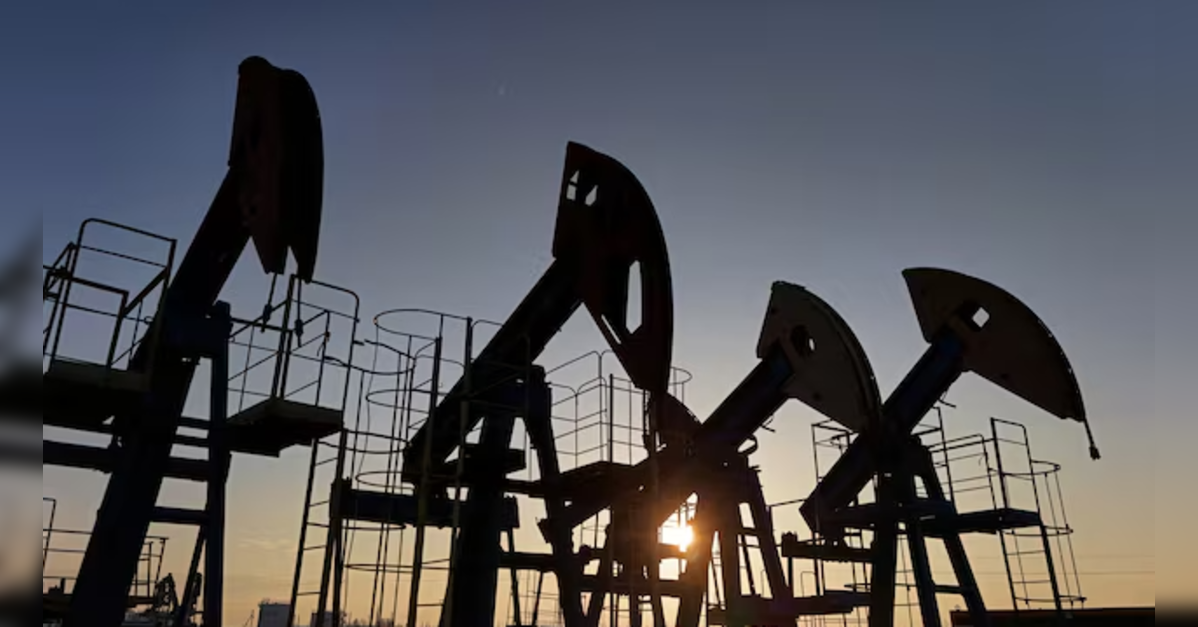
The US oil and gas sector experienced a noticeable contraction in activity across Texas, Louisiana, and New Mexico during the second quarter of 2025, a shift largely attributed to the sudden escalation of steel and aluminum import tariffs. This downturn comes despite previous administration pledges to foster a favorable environment for domestic producers, signaling a complex interplay of policy, market volatility, and operational costs. For investors navigating this challenging landscape, understanding the direct impact on drilling intentions, the broader market’s reaction to supply-side shifts, and the forward implications of upcoming industry events is paramount to strategic positioning.
Tariff Shock Stifles Drilling Ambitions
The US administration’s decision in early June 2025 to double tariffs on steel and aluminum imports to 50% from 25% introduced a significant cost burden for domestic exploration and production (E&P) companies. Steel, a critical input for drilling rigs, pipelines, and other infrastructure, constitutes a substantial portion of capital expenditures. Roughly a quarter of all steel and half of all aluminum utilized in the US is imported, making the industry highly susceptible to such policy changes. Our proprietary data indicates a sharp increase in reader queries regarding the long-term impact of input costs on project economics, underscoring investor anxiety.
The Dallas Fed survey revealed a stark reality: almost half of the surveyed executives now anticipate drilling fewer wells in 2025 than originally planned, with a quarter expecting a significant reduction. A specific 27% of firms directly attribute this revised outlook to the recent tariff hike. This sentiment starkly contrasts with the record US crude oil production of 13.47 million barrels per day in April 2025, up from 13.45 million bpd in March. While current output remains robust, the forward-looking data from E&P executives suggests a looming slowdown in future production growth, painting a picture of divergence between immediate capacity and investment intent. The prevailing mood among executives, who lament policies creating a beneficial environment for OPEC at the expense of domestic players, highlights a critical disconnect that investors must consider.
Market Volatility and Shifting Investor Focus
The second quarter of 2025 was marked by extreme price volatility, challenging even the most seasoned investors. US crude futures plunged to a four-year low of $57.13 per barrel on May 5th, only to rebound sharply to $75.14 by June 18th, reaching levels not seen since January. This whipsaw action has understandably rattled the market. As of today, Brent crude trades at $94.78, reflecting a recent 14-day decline of nearly 9% from its late March highs of $102.22. WTI crude stands at $91.22. This persistent fluctuation, coupled with the tariff-induced cost pressures, has significantly impacted investor confidence, as evidenced by a surge in inquiries to our platform.
Many of our readers are actively seeking a base-case Brent price forecast for the next quarter, underscoring a deep concern over sustained price stability amidst global supply dynamics. The sentiment from industry executives is clear: “Drill, baby, drill will not happen with this level of volatility.” This suggests that even with periods of higher prices, the unpredictability deters long-term investment in new drilling, contributing to a potential “lengthy downturn” in activity. The current price levels, while healthy, are viewed through the lens of recent instability, leading to cautious capital allocation decisions rather than aggressive expansion.
Oilfield Services Bear the Brunt of Rising Costs and Declining Demand
The ripple effect of increased tariffs extends directly to the oilfield service (OFS) sector, which is experiencing accelerated cost increases. Survey data indicates that costs among OFS firms rose at a slightly faster pace in Q2 2025 compared to Q1. Executives within this segment confirm that these rising costs, largely driven by the tariffs on steel and aluminum, are inevitably being passed on to customers. This creates a challenging environment where E&P companies, already hesitant due to tariffs, face even higher service fees.
The outlook for OFS demand is equally concerning. More than half of the surveyed executives anticipate slightly less customer demand over the next year, directly linking this decline to the hike in steel import tariffs. This forms a negative feedback loop: tariffs raise E&P costs, leading to fewer wells drilled, which in turn reduces demand for oilfield services. Compounding these issues are “numerous negative tailwinds” identified by industry leaders, including oversupply of oil, ongoing industry consolidation, and geopolitical turmoil. Investors in the OFS space must factor in this dual pressure of rising operational costs and contracting customer demand, which could impact revenue and profitability margins in the coming quarters.
Navigating Forward: Key Events and Strategic Positioning
For investors seeking to capitalize on or mitigate risks within the evolving oil and gas landscape, the coming weeks present several pivotal events. Our proprietary event calendar highlights critical industry indicators and policy meetings that could shape market sentiment and price trajectories. The Baker Hughes Rig Count, scheduled for April 17th and 24th, will provide immediate insight into drilling activity, offering a real-time gauge of how E&P companies are responding to current market conditions and tariff impacts. A continued decline would reinforce the trend of reduced drilling intent.
Perhaps most significantly, the OPEC+ Joint Ministerial Monitoring Committee (JMMC) meeting on April 18th, followed by the full Ministerial Meeting on April 20th, will be closely watched. These gatherings will determine the group’s collective production policy, a crucial factor considering executives’ frustration over OPEC’s recent strategy to ramp up output and regain market share. Any shifts in OPEC+ policy could either exacerbate or alleviate the global supply dynamics that domestic US producers feel are working against them. Furthermore, the EIA Weekly Petroleum Status Reports on April 22nd and 29th, alongside API Weekly Crude Inventory data on April 21st and 28th, will offer granular detail on US crude inventories, production, and demand, providing essential data points for investors building their Q2 2026 Brent forecasts and refining their investment strategies in a market defined by both policy-driven domestic challenges and international supply-side maneuvers.


