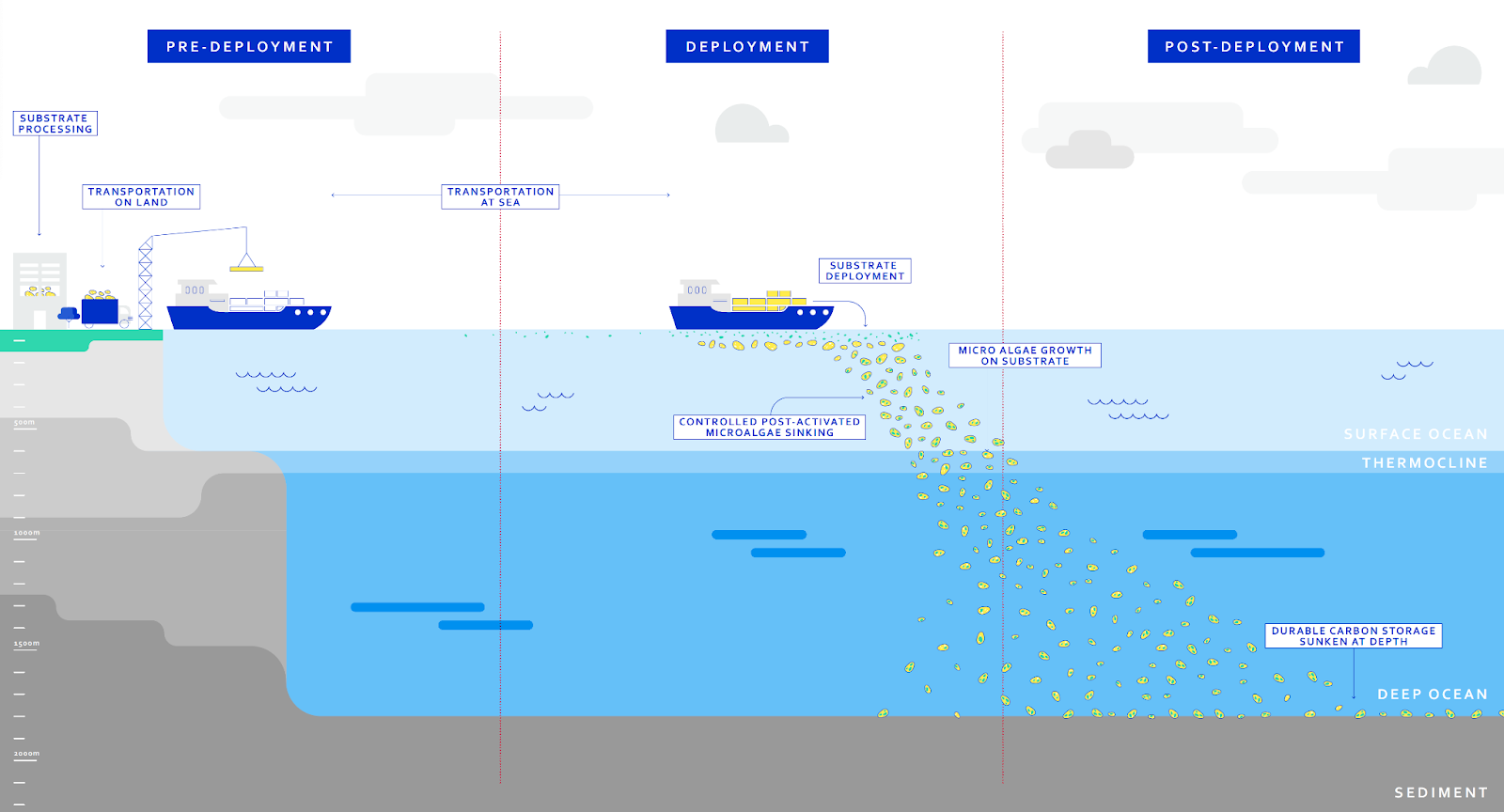
The global energy landscape continues its dynamic evolution, presenting both challenges and opportunities for investors. While traditional oil and gas markets remain central, the imperative for decarbonization is accelerating the growth of nascent industries, particularly in carbon removal. For astute investors in the energy sector, understanding and evaluating these emerging pathways is crucial for portfolio diversification and long-term value creation. One such area gaining traction is durable carbon removal, exemplified by the methodologies certified by platforms like Puro.earth, which are now paving the way for significant investment into verifiable climate solutions.
The Investment Thesis for Durable Carbon Removal
Durable carbon removal, which permanently sequesters CO2 for centuries or millennia, represents a critical component in the broader energy transition. The Microalgae Carbon Fixation and Sinking (MCFS) methodology, for instance, offers a compelling framework for achieving this. It involves the strategic deployment of engineered substrates in nutrient-rich, chlorophyll-poor ocean regions. These substrates foster the growth of local microalgae, which actively consume dissolved CO2 from the surface ocean. Once the microalgae, along with the substrates, sink to the deep ocean, the captured carbon enters the slow carbon cycle, effectively removing it from the atmosphere for extended periods. The certification of such activities, leading to the issuance of CO2 Removal Certificates (CORCs) with a baseline durability of 200 years (COR200+), provides a standardized, investable asset for companies committed to net-zero targets. This offers a robust and scalable solution for long-term carbon sequestration, appealing to investors seeking tangible, verifiable climate impact.
Navigating Market Volatility and Carbon Credit Valuation
The interplay between conventional energy markets and the burgeoning carbon removal sector is becoming increasingly evident. As of today, Brent crude trades at $95.62, reflecting a 0.88% increase, with WTI crude reaching $92.06, up 0.85% within a daily range of $91-$96.89 and $86.96-$93.3 respectively. While these intraday movements are notable, the broader trend shows Brent crude pulling back from $102.22 just weeks ago on March 25th to $93.22 by April 14th, representing an almost 9% decline. This volatility in traditional oil prices often prompts investors to re-evaluate their exposure to the energy transition. Our proprietary reader intent data reveals that many investors are actively seeking insights into the consensus 2026 Brent forecast and how to build a base-case price forecast for the next quarter. Sustained high oil prices, even with recent dips, can bolster the financial capacity of oil and gas majors to invest in decarbonization technologies and purchase CORCs, while also increasing the economic incentive for carbon-intensive industries to offset their emissions. This dynamic underscores the long-term investment appeal of durable carbon removal as a risk mitigation strategy and a pathway to sustainable growth.
Operationalizing Ocean-Based Carbon Removal: Mitigating Risks for Investor Confidence
For investors, understanding the operational mechanics and risk mitigation strategies of new carbon removal technologies is paramount. The MCFS pathway, while promising, necessitates careful consideration of its environmental and social implications. The methodology outlines a multi-step process, from substrate deployment to deep ocean carbon storage, designed to ensure effective carbon sequestration. Crucially, it also integrates robust safeguards and monitoring protocols to address potential risks. These include preventing nutrient robbing across the water column, managing changes in ocean carbonate chemistry, mitigating perturbations of oxygen budgets in benthic environments, and averting harmful algal blooms or physical harm to larger marine organisms. The explicit inclusion of these environmental and social considerations within the methodology enhances investor confidence by demonstrating a proactive approach to potential externalities, ensuring the long-term integrity and market acceptance of the generated CORCs. Projects that can transparently demonstrate effective risk management are far more attractive to capital looking for sustainable and verifiable returns.
Forward Outlook: Key Catalysts for Carbon Market Growth
The strategic importance of carbon removal investments is closely tied to ongoing developments in the broader energy sector. Looking ahead, a series of upcoming events will provide critical signals for both traditional oil markets and, by extension, the trajectory of carbon removal investments. The imminent OPEC+ meetings, with the Joint Ministerial Monitoring Committee (JMMC) on April 18th and the full Ministerial Meeting on April 20th, are pivotal. Any decisions regarding production levels will directly influence crude prices, impacting the profitability of hydrocarbon extraction and the capital available for decarbonization initiatives. Furthermore, weekly crude inventory reports from the API on April 21st and 28th, followed by the EIA Weekly Petroleum Status Report on April 22nd and 29th, will offer granular insights into demand trends. Robust demand could signal continued reliance on fossil fuels, thereby reinforcing the long-term necessity and value of durable carbon removal solutions. Concurrently, the Baker Hughes Rig Count reports on April 17th and 24th will indicate drilling activity levels. An increase in active rigs could suggest higher future production, creating a greater imperative for companies to invest in carbon offsets or removal technologies to balance their environmental footprints. These interconnected market signals will continue to shape the investment landscape, highlighting the growing significance of innovative carbon removal solutions as a strategic investment pillar.