Eni’s Versalis Targets Circular Economy with Pioneering Cable Recycling Initiative
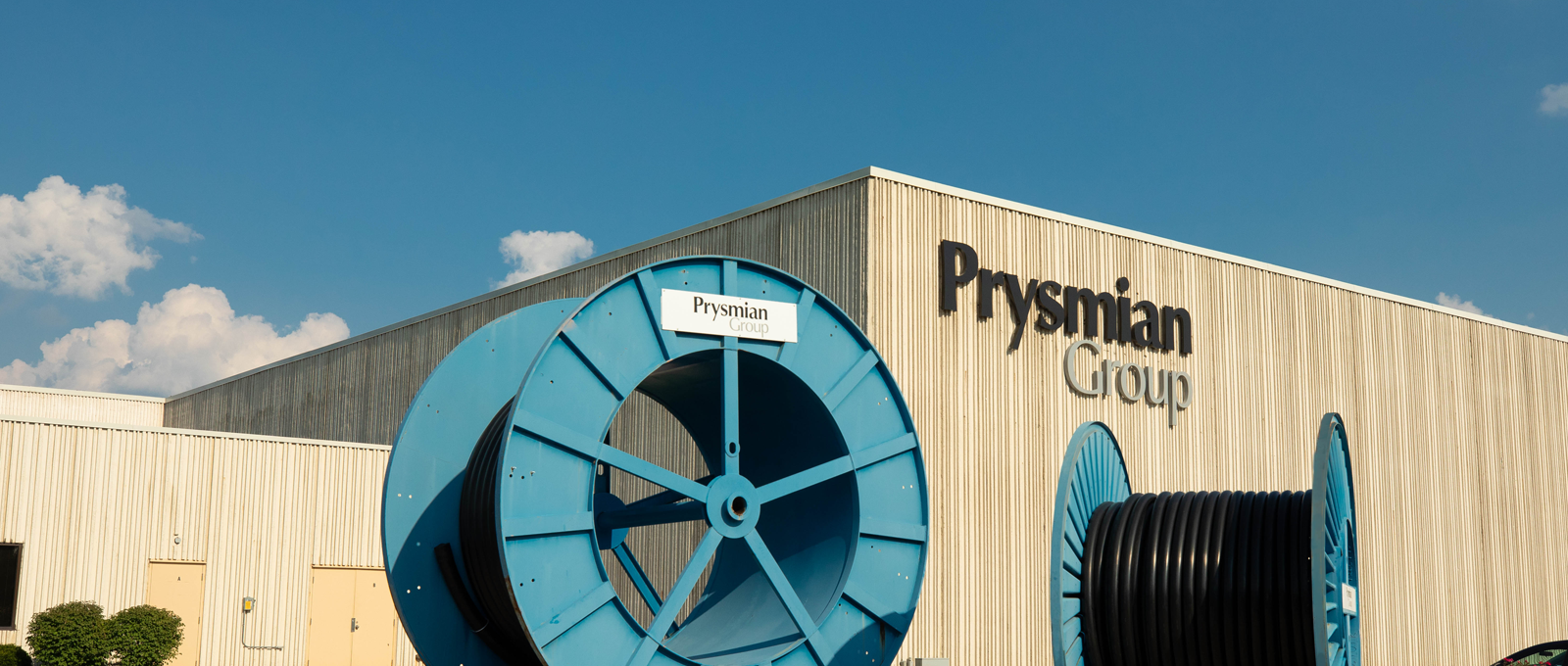
In a strategic move signaling a deeper commitment to the circular economy, Eni’s chemical arm, Versalis, has forged a partnership with Prysmian to establish a dedicated chemical recycling supply chain for end-of-life and production cable plastics. This initiative, centered in Italy, leverages Versalis’s proprietary Hoop® technology to tackle one of the energy sector’s most challenging waste streams: the complex plastic insulation layers found in high-performance energy cables. For astute oil and gas investors, this collaboration represents more than just an environmental endeavor; it’s a calculated diversification play by an integrated energy major, positioning itself at the forefront of sustainable specialty chemicals and aiming to unlock new value streams in a rapidly evolving regulatory landscape.
Strategic Diversification: Beyond Hydrocarbons into High-Value Recycling
The core of this partnership lies in addressing the notoriously difficult task of recycling cross-linked polyethylene (XLPE), a material widely utilized for insulating energy cables. Historically, mechanical recycling has proven impractical for such multi-layered, bonded polymeric structures. Versalis’s Hoop® chemical recycling technology offers a crucial breakthrough, capable of converting mixed and cross-linked plastic waste into pyrolysis oil, which can then be transformed back into feedstock for new plastic polymers. Prysmian, as one of the world’s largest cable manufacturers, will collect scrap from its manufacturing processes and decommissioned cables, ensuring a closed-loop system. The projected recovery of up to 60% of XLPE scrap into reusable material marks a significant advancement for the sector, highlighting a tangible path to industrial-scale circularity. For investors, this signals Eni’s proactive approach to extending its chemical value chain, moving beyond virgin fossil feedstocks to embrace recycled content, and aligning with European decarbonization and circular economy objectives.
Navigating Market Volatility with Strategic Chemical Investments
While the daily machinations of the global crude market continue to dominate headlines and investor sentiment, strategic plays like Versalis’s recycling initiative offer a different dimension for value creation within integrated energy portfolios. As of today, Brent crude trades at $90.18, reflecting a slight dip of 0.28% within a day range of $93.87-$95.69. This near-term volatility, part of a broader 14-day trend that saw Brent fall from $118.35 to $94.86, naturally prompts questions from investors regarding the immediate direction of WTI or broader oil price predictions for the end of 2026. However, Eni’s investment in advanced chemical recycling demonstrates a commitment to long-term value drivers that are less susceptible to these daily price swings. Specialty chemicals, particularly those with a strong sustainability narrative and regulatory tailwinds, can offer more stable margins and growth profiles compared to the often-cyclical upstream sector. For investors seeking resilience and diversification in their energy holdings, a focus on an integrated major’s ability to innovate and capture value in new, sustainable markets becomes increasingly critical, balancing the inherent risks of traditional hydrocarbon exposure.
The Road Ahead: Pilot Operations and Future Market Opportunities
The pilot phase of the Versalis-Prysmian project is slated to commence in Italy in the second half of 2026. While upcoming near-term energy events, such as the OPEC+ JMMC Meeting on April 21st or the EIA Weekly Petroleum Status Reports, will undoubtedly influence immediate crude price movements, the Versalis initiative operates on a different, longer strategic timeline. A successful pilot will not only validate the technical and economic viability of the Hoop® technology for cable waste but also pave the way for potential broader European adoption. This forward-looking approach positions Eni not just as a producer of energy, but as a key enabler of critical infrastructure upgrades and renewable energy expansion, both of which generate increasing volumes of cable waste. Investors should track the progress of this pilot, as its success could significantly enhance Eni’s competitive edge in the sustainable chemicals sector, offering a blueprint for how integrated energy companies can contribute to and profit from the accelerating transition to a circular economy. The long-term implications for Eni’s chemical segment could be substantial, offering a hedge against future regulatory pressures on virgin plastic production and opening new markets for recycled polymers.
Investment Implications for a Diversified Energy Portfolio
For oil and gas investors, the Versalis-Prysmian partnership underscores a vital trend: the ongoing redefinition of what constitutes a robust energy portfolio. Integrated majors like Eni are increasingly leveraging their deep technical expertise and industrial scale to expand into adjacent, high-growth sectors driven by sustainability mandates. This move into chemical recycling for complex industrial plastics enhances Eni’s environmental, social, and governance (ESG) profile, potentially attracting a broader pool of capital that prioritizes sustainable investments. Furthermore, by establishing a proprietary, closed-loop supply chain with a major industrial partner, Versalis is securing feedstock and off-take, creating a resilient business model in a nascent but rapidly expanding market. Investors should view this as a tangible example of an energy company future-proofing its operations, demonstrating a commitment to innovation that can deliver long-term shareholder value beyond the fluctuating fortunes of the crude barrel. The ability to transform challenging waste into high-value raw materials is a powerful competitive advantage in an increasingly resource-constrained world, making Eni’s strategic pivot worthy of close observation.


