Plastic Reduction: O&G Petrochemical Headwind
While the traditional narrative of oil and gas demand often centers on transportation and power generation, a significant and increasingly vulnerable growth vector lies within the petrochemical sector. This segment, crucial for plastics production, has historically been a robust source of demand expansion, offsetting declines in other areas. However, a burgeoning global movement against single-use plastics, driven by environmental concerns and innovative alternatives, represents a tangible long-term headwind. For astute oil and gas investors, understanding the trajectory of this shift and its implications for petrochemical feedstock demand is paramount to navigating future market dynamics.
The Petrochemical Pivot: A Growing Headwind
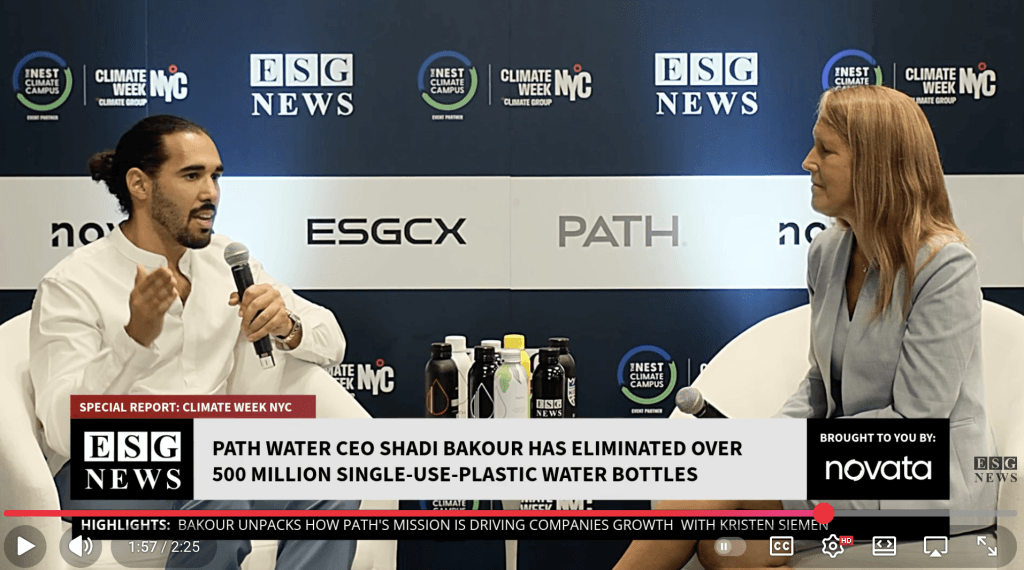
Nearly 15% of global oil demand is currently channeled into petrochemical feedstocks, a figure projected to rise substantially as other sectors decarbonize. This makes petrochemicals a linchpin in many long-term oil demand forecasts, often seen as the primary engine for continued growth beyond the current decade. However, the rapidly accelerating consumer and corporate shift away from virgin plastics poses a direct challenge to this outlook. Initiatives promoting refillability and infinitely recyclable materials, exemplified by companies like PATH Water with their focus on durable aluminum bottles, are not merely niche trends; they embody a broader societal recalibration towards sustainable consumption.
Each instance a consumer opts for a reusable or highly recyclable alternative, replacing a single-use plastic item, it directly reduces the demand for naphtha, ethane, and other petrochemical feedstocks derived from crude oil and natural gas liquids. This fundamental shift, driven by environmental engineering insights and consumer-centric innovation, points to a future where the demand for virgin plastic production could plateau or even decline in certain segments, impacting the growth assumptions underpinning significant refinery and cracker investments. Investors must evaluate the long-term exposure of their portfolios to companies heavily reliant on traditional petrochemical expansions.
Market Realities: Oil Prices Reflect Broader Pressures
The immediate market sentiment provides a stark reminder of the complexities facing the energy sector. As of today, Brent crude trades at $88.86 per barrel, reflecting a significant daily downturn of 10.59% from its opening, with WTI crude following a similar trajectory at $81.35, down 10.77%. This volatility, with Brent having declined over 12% in the last 14 days from $112.57 on March 27th to $98.57 on April 16th, underscores a market grappling with a complex mix of geopolitical events, macroeconomic factors, and supply-demand uncertainties.
While these immediate price movements are driven by a confluence of factors distinct from the long-term plastic reduction trend, they create an environment where any additional demand erosion becomes more pronounced. Reduced demand for petrochemical feedstocks, even if gradual, adds a persistent structural pressure to the overall crude market. This amplifies the challenge for integrated oil and gas companies, forcing them to reassess capital allocation strategies and accelerate diversification efforts beyond traditional virgin plastic production.
Navigating the Shift: Investor Concerns and Strategic Responses
Our proprietary intent data reveals investors are increasingly scrutinizing the long-term outlook for oil prices, with common queries revolving around predictions for crude per barrel by the end of 2026 and the performance of specific O&G players. These concerns are not solely about immediate supply-demand imbalances; they reflect a deeper apprehension about structural shifts in demand, including the petrochemical segment. The question for investors is not *if* plastic reduction will impact demand, but *when* and *how significantly*.
Major oil and gas companies are acutely aware of this pivot. We observe increased capital allocation towards advanced recycling technologies, bio-based plastics, and even diversification into non-energy sectors. This strategic realignment is crucial for protecting long-term shareholder value against an evolving consumption landscape where sustainability mandates are gaining legislative and consumer traction. Investors should prioritize companies demonstrating clear strategies to mitigate their exposure to virgin plastics and actively develop circular economy solutions.
Upcoming Catalysts: Monitoring Supply and Demand Signals
Looking ahead, investors will be closely watching a series of pivotal events that will shape the near-term crude market. The upcoming OPEC+ Joint Ministerial Monitoring Committee (JMMC) meeting tomorrow, April 17th, followed by the full Ministerial meeting on April 18th, are critical for understanding the immediate supply landscape, particularly regarding production quotas. While these discussions will primarily focus on crude production levels, their outcomes will set the immediate pricing environment against which the longer-term structural shifts, such as reduced virgin plastic demand, must be assessed.
Further insights into market balance will come from the API Weekly Crude Inventory reports on April 21st and April 28th, followed by the EIA Weekly Petroleum Status Reports on April 22nd and April 29th. These data points offer crucial snapshots of U.S. inventory levels, providing a proxy for demand strength. Additionally, the Baker Hughes Rig Count on April 24th and May 1st will indicate future production trends. Monitoring these supply-side indicators is vital, but savvy investors will contextualize them within the broader demand picture, where sustainability trends are beginning to carve out a non-negligible segment of future consumption, particularly within petrochemicals.
Strategic Imperatives for O&G Investment
For investors in the oil and gas sector, the shifting landscape around plastics demands a nuanced approach. Simply relying on historical growth trajectories for petrochemicals is no longer viable. Companies that proactively adapt their portfolios, embracing innovation in sustainable materials and reducing their reliance on traditional virgin petrochemicals, are best positioned to thrive. This means evaluating a company’s investment in advanced recycling technologies, chemical recycling, and bio-based polymers.
Furthermore, policy changes, often spurred by consumer movements and environmental advocacy, can rapidly accelerate these shifts, creating both risks and opportunities. Investors should scrutinize companies’ ESG commitments and their concrete plans for transitioning their petrochemical segments. The future value in this sector will increasingly reside with those who champion circular economy principles, making “refilling the norm, not the exception” not just a slogan for water bottles, but a guiding principle for industrial material consumption.


