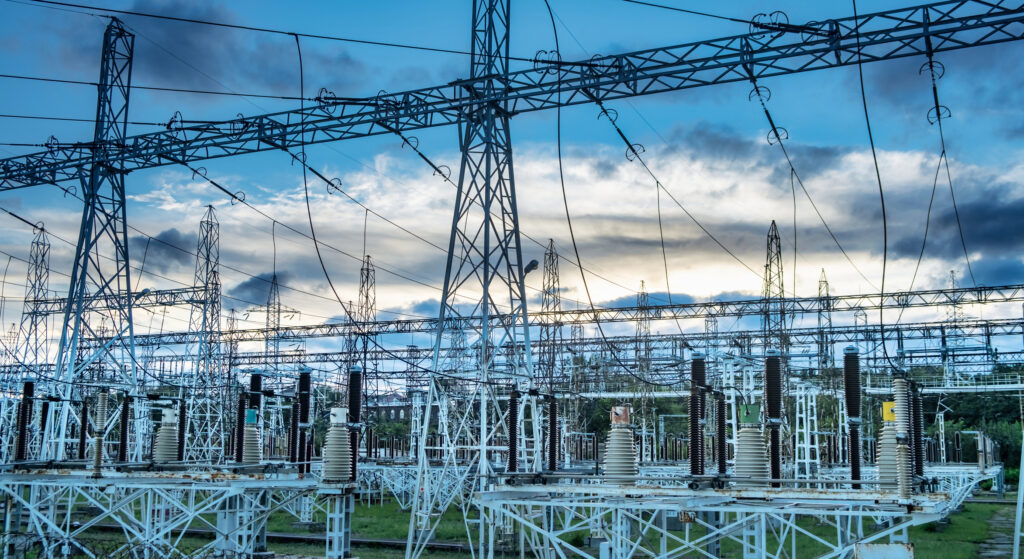
PJM Interconnection’s recent maximum generation and hot weather alerts for its expansive service area, covering 13 mid-Atlantic and Midwest states plus the District of Columbia, signal an immediate surge in electricity demand. This development, driven by an anticipated heat wave on July 24, underscores the critical role of natural gas in maintaining grid stability during peak consumption. For energy investors, these alerts are more than just operational notices; they are a potent indicator of short-term natural gas demand uplift and a stark reminder of the long-term challenges facing the U.S. power grid. As crude markets navigate a period of significant volatility, with Brent crude having shed nearly 20% over the past fortnight, the resilience of natural gas demand, particularly from the power sector, presents a compelling narrative for portfolio consideration.
The Immediate Demand Surge and Natural Gas’s Pivotal Role
The PJM Interconnection, responsible for the largest U.S. electric grid, has issued maximum generation and load management alerts for July 24, forecasting peak electricity usage to hit 151,485 MW at 5 p.m. EST. While the current scheduled capacity of 161,643 MW, alongside a total summer generation capacity of 179,200 MW plus 7,900 MW of contracted demand response, suggests adequate supply, the issuance of such alerts is a clear signal of anticipated strain. This marks the second such maximum generation alert in two weeks, following a similar notification on July 16, highlighting a recurring pattern of heightened demand during hot weather. In these scenarios, natural gas-fired power plants often serve as the crucial flexible baseload and peaker capacity, able to ramp up quickly to meet sudden spikes in electricity needs. This immediate demand response translates directly into increased natural gas consumption, offering a bullish catalyst for gas prices in the short term, even as broader energy markets exhibit caution.
Systemic Grid Vulnerabilities and the Baseload Imperative
Beyond the immediate weather-driven spikes, these PJM alerts illuminate deeper, systemic vulnerabilities within the U.S. electric grid. The North American Reliability Corporation (NERC) has consistently warned of potential blackouts over the past two years, citing both extreme temperatures and an increasing reliance on weather-dependent energy sources like wind and solar. This challenge is compounded by rapidly rising power demand, significantly influenced by the proliferation of data centers. The U.S. Department of Energy echoed these concerns earlier this month, cautioning that power outages could substantially increase in the coming years unless significant baseload capacity is added. For investors, this translates into a long-term structural demand floor for reliable, dispatchable power generation. Natural gas, with its relative cost-effectiveness and operational flexibility compared to other baseload options, is positioned to remain an indispensable component of the nation’s energy mix, even as the transition to renewables accelerates. The need for grid modernization and the addition of robust baseload capacity are multi-year investment themes that underpin sustained demand for natural gas infrastructure and supply.
Investor Outlook Amidst Shifting Market Tides
Our proprietary reader intent data reveals a clear focus among investors on price direction, with questions frequently surfacing regarding the trajectory of crude oil and broader energy markets. While crude oil has experienced a notable downturn, with Brent Crude currently trading at $94.88 per barrel, down 0.63% today and a significant 19.8% decline from $118.35 on March 31st, the narrative for natural gas could diverge. The PJM alerts, signaling robust power generation demand, offer a counter-cyclical bullish impulse specifically for gas. This bifurcation in market drivers demands a nuanced approach from investors. The immediate boost to gas demand from grid strain provides a compelling reason to assess gas-centric investments, particularly those tied to power generation and infrastructure within key regions like the PJM service area. Investors are keenly asking about long-term price predictions for oil, and while a direct correlation exists, these grid stability issues highlight natural gas’s independent demand drivers, making it a potentially attractive hedge or growth play in a volatile energy landscape.
Upcoming Catalysts and Forward-Looking Analysis
The coming weeks hold several pivotal events that could further shape the natural gas investment landscape. While the OPEC+ JMMC Meeting today, April 21st, will primarily influence crude oil supply dynamics, the subsequent EIA Weekly Petroleum Status Reports on April 22nd and April 29th will provide crucial insights into U.S. inventory levels, including natural gas. More directly relevant to the themes of grid stability and summer demand will be the EIA Short-Term Energy Outlook scheduled for May 2nd. This report is anticipated to offer updated forecasts for summer electricity demand and natural gas consumption, potentially reinforcing the bullish outlook for gas-fired power generation. Investors should closely monitor these reports for any revisions to demand projections or supply expectations, especially as the U.S. moves deeper into the summer cooling season. Any indication of sustained high temperatures or further grid vulnerability warnings from NERC or the Department of Energy could solidify the investment case for natural gas, positioning it as a critical asset in portfolios looking for stability and growth in the face of ongoing energy transition challenges and increasing demand for reliable power.