

Philippine Refiner Petron Secures Russian Crude Amidst Global Supply Volatility
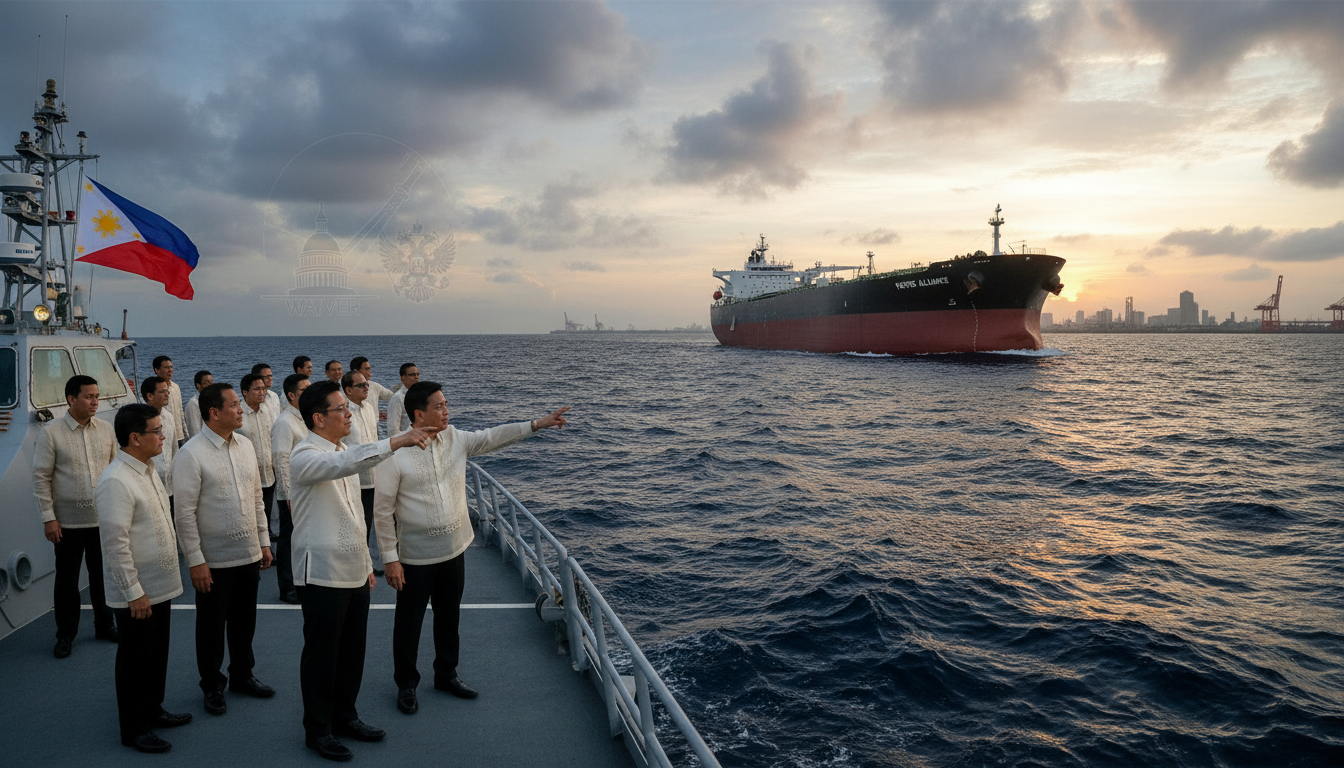
Philippine refining giant Petron Corporation has successfully taken delivery of a Russian crude oil shipment, marking a significant strategic move enabled by a recent waiver from the United States. This development signals a proactive approach by Asian nations to diversify energy sources and mitigate the acute supply challenges exacerbated by recent geopolitical tensions. Investors are closely watching these shifts, as they underscore the evolving landscape of global crude procurement and energy security strategies in key growth markets.
Ramon Ang, Chief Executive Officer of Petron, confirmed the receipt of crude originating from the OPEC+ member nation. While specific details regarding the volume or terms of this particular transaction remain undisclosed, the underlying context is clear: a calculated effort to fortify the Philippines’ energy independence. This move follows a crucial decision by the U.S. earlier this month, which issued a sanctions waiver permitting the purchase of Russian crude that had already been loaded onto tankers. This regulatory adjustment created an immediate window of opportunity for import-dependent economies.
Geopolitical Dynamics Reshape Asian Energy Procurement
The catalysts for these strategic shifts are deeply rooted in current global affairs. The U.S. waiver was primarily designed to alleviate mounting pressures on global oil supply chains, particularly stemming from the effective disruption of transit through the Strait of Hormuz since the Middle East conflict intensified in late February. This critical maritime chokepoint, vital for a substantial portion of the world’s oil trade, has seen its operational fluidity significantly compromised. Consequently, Asia, which relies heavily on Middle Eastern producers for the bulk of its crude oil imports, has been disproportionately affected by the resulting supply crunch and price volatility. For energy investors, understanding the fragility of traditional supply routes and the subsequent drive for diversification is paramount.
The Philippines, a nation acutely dependent on imported crude to fuel its economy, has been particularly vulnerable to these market dislocations. The severity of the supply squeeze has prompted the government to declare an emergency, highlighting the urgent need for robust alternative procurement strategies. Petron’s acquisition of Russian crude is a direct response to this imperative, yet it represents just one facet of a broader national effort. Manila is actively engaged in diplomatic discussions to secure additional supplies from a diverse array of global partners, including Japan, China, South Korea, and India, reflecting a comprehensive strategy to enhance energy resilience.
Philippines Eyes Direct Russian Oil Access and Broader Waivers
Beyond opportunistic purchases under the existing U.S. waiver, the Philippines is pursuing a more expansive diplomatic objective. Jose Manuel Romualdez, the Philippine Ambassador to the U.S., revealed that Manila is actively seeking a general waiver from Washington. Such a waiver would unlock the ability to conduct direct oil purchases from Russian producers, bypassing the limitations of the current, more restrictive allowances. This ambitious diplomatic push underscores the long-term strategic intent to establish direct access to a significant global crude source. Ambassador Romualdez also noted that the Philippines is not alone in this endeavor, stating, “We are one of many seeking the same,” indicating a broader regional interest among Asian nations in securing diversified energy supplies directly from Russia.
For investors tracking global oil flows, the availability of Russian crude in the market remains a key indicator. Ship-tracking data compiled by Bloomberg indicates a notable volume of Russian crude poised for sale. As of a recent Wednesday, approximately 13.5 million barrels of Russian crude were observed on roughly 18 tankers situated east of the Suez Canal. This figure, while substantial, represents a decrease from nearly two weeks prior, when an estimated 19 million barrels were held across 25 vessels. This reduction occurred after the U.S. waiver was expanded beyond India to encompass other nations, suggesting a gradual absorption of these available cargoes into various national supply chains. The ongoing availability and movement of these “floating barrels” will continue to influence regional pricing and supply dynamics.
Investment Implications: Strategic Diversification and Market Resilience
The recent actions by Petron and the broader diplomatic initiatives by the Philippine government provide critical insights for energy investors. The global oil market is undergoing a fundamental recalibration, driven by geopolitical instability and the imperative for energy security. Asian refiners, traditionally reliant on Middle Eastern crude, are now actively seeking alternative, reliable, and potentially cost-effective sources. This diversification trend can impact regional refining margins, logistics infrastructure investments, and even the strategic alliances between crude producers and consuming nations.
Investors should closely monitor the success of countries like the Philippines in securing general waivers for direct Russian crude purchases. Such developments could significantly alter supply dynamics, potentially influencing global oil prices and the competitive landscape for international energy companies. The move toward broader energy diversification, while aimed at national resilience, also introduces new layers of geopolitical and logistical risk for market participants. Ultimately, these strategic shifts underscore a deepening commitment among nations to ensure stable energy supplies, a critical factor for sustained economic growth and an area ripe for informed investment decisions in the evolving global energy paradigm.
