

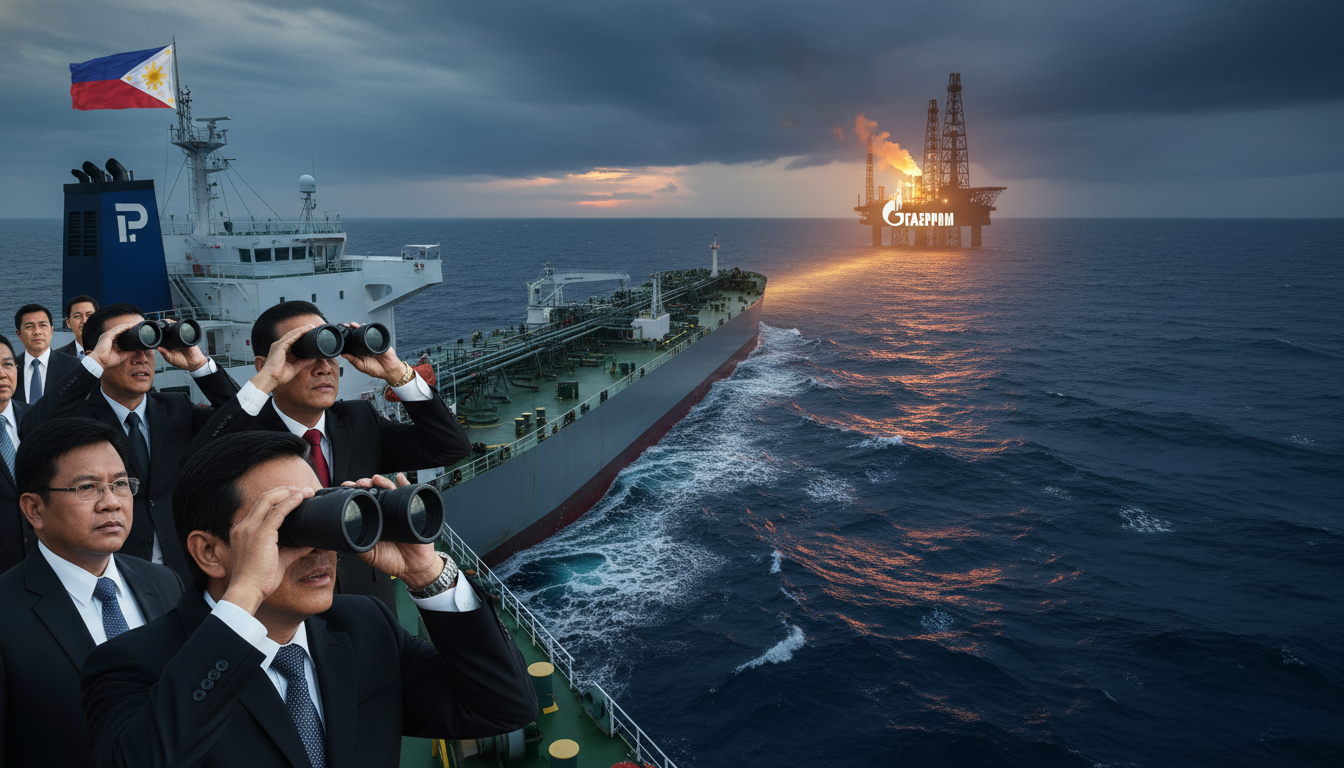
Philippines Declares Energy Emergency Amid Geopolitical Volatility, Targets Supply Diversification and Green Transition
Manila, Philippines – The Philippine government has taken decisive action to preemptively safeguard its energy supply, with President Ferdinand Marcos Jr. officially declaring a state of national energy emergency. This critical move, formalized through Executive Order No. 110, s. 2026 and published in the Official Gazette, underscores the nation’s vulnerability to global oil market disruptions, particularly those stemming from escalating conflicts in the Middle East. The declaration cites an “imminent danger of a critically low energy supply,” signaling a proactive, government-wide effort to mitigate potential crises for the resource-dependent archipelago.
For investors monitoring Southeast Asian markets, this development highlights the acute sensitivity of net oil importers to geopolitical events and supply chain vulnerabilities. President Marcos, in a recent interview with Bloomberg at the presidential palace, revealed the nation’s current fuel reserves are sufficient for approximately 45 days. This limited buffer necessitates immediate and strategic measures, driving the administration to explore unconventional avenues for securing crucial energy resources.
Strategic Procurement and Market Stabilization Powers Activated
The emergency declaration significantly enhances the government’s operational capabilities to secure timely and sufficient energy supplies. A key provision authorizes the procurement of oil products, permitting advance payments exceeding 15 percent of contract amounts. This flexibility is designed to streamline purchasing processes and ensure the nation can secure essential commodities even in volatile international markets, where upfront commitments can often dictate supply access.
Furthermore, the Department of Energy (DOE) has been tasked with implementing a comprehensive resource conservation and prioritization mechanism. This framework will guide the optimal dispatch of power plants, prioritizing grid reliability and the utilization of more cost-effective technologies. The overarching goal is to conserve existing fuel reserves, thereby prolonging supply and mitigating the economic impact on consumers and businesses. In times of extreme price volatility or threats to electricity supply reliability, the DOE is empowered to request the Energy Regulatory Commission (ERC) to suspend market operations or declare a temporary market failure, providing a crucial safety net against runaway prices and market instability.
Specific conservation directives extend to government operations, potentially targeting electricity consumption, including air-conditioning use in public offices. Beyond conservation, the executive order also mandates stringent measures to combat illicit market practices, such as oil product hoarding, profiteering, and supply manipulation, ensuring fair distribution and pricing during this critical period. Other government agencies have received directives to implement supportive measures for consumers and affected industrial sectors, aiming to cushion the economic blow of potential energy shortages.
Navigating Global Supply Chains: Russia, China, and Sanctioned Nations
The Philippines’ energy security strategy is now actively pursuing a more diversified supply base, venturing into complex geopolitical territory. President Marcos acknowledged ongoing discussions to solidify new fuel commitments. While traditional trading relationships with nations like China continue, with efforts underway to boost existing supply agreements, Manila is also exploring significantly broader options.
The prospect of importing oil from Russia, a non-traditional energy supplier for the Philippines, represents a notable shift in strategy. Marcos indicated these discussions are progressing, reflecting a pragmatic approach to securing supply in a constrained global market. This move underscores the country’s willingness to engage with diverse partners to meet its energy demands, even amidst the intricate web of international sanctions and geopolitical considerations.
Despite these new explorations, existing contracts for refined fuels from Japan and South Korea, crude oil from Malaysia, and fertilizers from Indonesia and China remain robust and are being honored, providing a baseline of stability. However, the nation’s strategic outreach extends further. The Philippine ambassador to the United States, Jose Manuel Romualdez, recently informed Reuters that Manila is actively seeking exemptions to US sanctions to purchase oil from countries like Iran and Venezuela. This bold diplomatic initiative confirms that “all options are being considered” as the Philippines navigates the current global energy landscape, prioritizing national energy security above all else.
Long-Term Vision: Accelerating the Renewable Energy Transition
Beyond immediate crisis management, President Marcos’s emergency declaration also sets a clear mandate for long-term energy transformation. The DOE is tasked with developing comprehensive plans to reduce oil demand across residential, commercial, and industrial sectors, signaling a fundamental shift in national energy policy.
A core pillar of this long-term strategy is the accelerated transition to renewable energy sources. This ambitious agenda encompasses multiple fronts: promoting the widespread adoption of electric vehicles in mass transport systems, integrating renewable energy solutions into agriculture, logistics, and manufacturing processes, and developing robust active transport infrastructure. Crucially, the government plans to foster behavioral change through extensive public awareness campaigns, cultivating a national culture of energy efficiency and sustainability.
For investors, this dual approach presents both immediate challenges and significant opportunities. While the short-term focus remains on securing fossil fuel supplies and managing market volatility, the explicit commitment to renewable energy and demand reduction signals a burgeoning market for green technologies, sustainable infrastructure, and energy efficiency solutions. The Philippines’ emergency declaration is not merely a reactive measure but a strategic pivot, aiming to insulate the nation from future global energy shocks by building a more resilient, diversified, and sustainable energy future.
