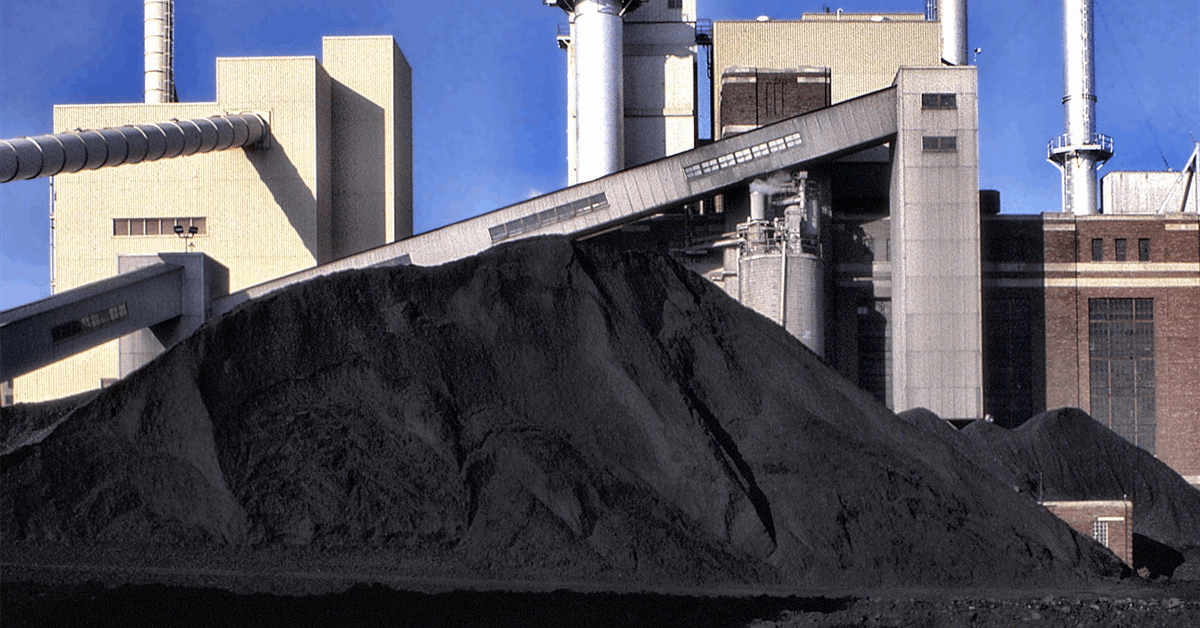
The energy landscape in the Philippines is undergoing a profound transformation, signaling a pivotal moment for investors eyeing Southeast Asia’s burgeoning power sector. Recent analysis of government data reveals a significant 5.2 percent year-on-year decline in coal-fired power generation during the first half of 2025. This downturn positions the archipelago for its first annual reduction in coal power production in decades, marking a critical inflection point in the nation’s energy mix.
Crucially, this retreat from coal is not primarily driven by an influx of liquefied natural gas (LNG) imports, as some industry narratives might suggest. Instead, the data unequivocally points to the rapid ascendancy of renewable energy sources as the primary catalyst behind coal’s diminishing market share. This trend challenges the conventional wisdom often peddled by fossil fuel proponents, which frequently frames Asia’s energy transition as a mere swap from coal to LNG.
Renewables Drive the Shift, Not LNG
Contrary to the notion that LNG is displacing coal, a deeper dive into the Philippines’ energy market dynamics reveals a different story. Renewable energy solutions have significantly outpaced the growth of LNG-fired power generation. In fact, gas-fired power generation within the country remains below its historical levels, indicating that new LNG capacity is not filling the void left by coal. Energy sector analysts emphasize that outages at existing coal facilities, coupled with the rising competitiveness of renewables, offer a more accurate explanation for coal’s decline than the comparatively higher cost of LNG.
For investors focused on the long-term viability and profitability of energy assets, the cost disparity is a critical factor. LNG often proves to be significantly more expensive than many renewable energy alternatives, especially in a market driven by competitive bidding processes. This economic reality forms the bedrock of the Philippines’ evolving energy strategy.
Green Investment Surges While Gas Stalls
A comprehensive review of government statistics highlights a striking divergence in investment patterns. Between 2017 and 2024, the Philippines did not commission any new greenfield gas or LNG-fired generation capacity. The most recent increase in the nation’s gas capacity occurred in 2022, primarily through the uprating of existing facilities, rather than the construction of new plants. This absence of fresh investment in new gas infrastructure speaks volumes about the perceived economic hurdles for such projects in the current market environment.
In stark contrast, the renewable energy sector is experiencing a boom. The Philippines installed over one gigawatt (GW) of new solar capacity in 2024 alone. This remarkable growth not only surpassed all other asset classes last year but also exceeded previous projections for solar deployment. The acceleration is largely attributed to well-structured government policies, including centralized auctions and other incentives, which are effectively catalyzing new project developments across the country.
Government Policies Paving the Way for RE Growth
The Philippine Department of Energy (DOE) is actively championing the expansion of renewable energy through robust policy frameworks and competitive bidding. Recently, the DOE announced the awarding of significant capacities in geothermal, hydropower, and pumped storage projects, totaling approximately 6.68 GW. These diverse renewable technologies are crucial for building a resilient and sustainable energy grid, offering base-load power and energy storage solutions alongside intermittent sources like solar and wind.
Furthermore, the government has launched ambitious new auctions designed to attract substantial investment in green energy. One notable auction offers over 10 GW of solar and wind capacity, targeting commercial operations between 2026 and 2029. A separate, equally significant auction focuses on fixed-bottom offshore wind installations, totaling 3.3 GW, with a targeted start-up window from 2028 to 2030. These initiatives present immense opportunities for both domestic and international investors looking to participate in the burgeoning renewable energy market of the Philippines.
Competitive Selection Processes: The Price Dictator
The Philippines operates a liberalized electricity market where power projects secure supply contracts with distribution utilities through competitive selection processes (CSPs). Under this system, utilities are legally mandated to procure power in the “least cost manner.” This regulatory requirement creates an intensely competitive environment where power generators must vie fiercely on price.
This “least cost” mandate has proven to be a significant barrier for new LNG projects. To date, only one greenfield LNG-fired power project has successfully navigated and won a CSP, with operations commencing this year. The inherent price sensitivity of these auctions presents a formidable challenge for the rapid expansion of future LNG projects, making it difficult for them to compete effectively against the ever-decreasing costs of renewable energy.
Coal’s Persistent but Fading Presence
Despite the growing momentum of renewables and the government’s 2020 moratorium on new greenfield coal plants, coal capacity has continued to expand in certain areas. This is primarily due to exclusions for brownfield expansions and projects that were already underway when the moratorium was imposed. This nuance is important for investors to understand: while new coal projects face significant hurdles, existing infrastructure and approved expansions still contribute to the generation mix in the short to medium term.
Nevertheless, the broader trend is undeniable. Claims attributing the recent drop in coal generation to LNG imports overlook the substantial increase in hydropower and solar generation. These renewable sources have demonstrably filled the gap, reinforcing the narrative of a genuine energy transition driven by clean energy, rather than a mere fossil fuel substitution.
Investor Outlook: Seizing Green Opportunities
For investors, the Philippines’ energy trajectory offers clear signals. The nation is firmly committed to an energy transition, with robust policy support and a market structure that favors cost-effective, sustainable power solutions. The significant pipeline of renewable energy projects, coupled with the competitive challenges faced by new fossil fuel developments, positions the Philippines as a prime destination for green energy investments.
Companies specializing in solar, wind (especially offshore), geothermal, hydropower, and energy storage technologies are particularly well-placed to capitalize on these opportunities. The emphasis on “least cost” procurement through CSPs means that efficient, well-financed renewable projects with strong cost controls will be highly competitive. As the Philippines continues its journey towards a cleaner energy future, understanding these dynamics will be crucial for making informed investment decisions in one of Asia’s most dynamic energy markets.


