The global energy market is once again confronting the stark realities of geopolitical instability, as Petronet LNG Ltd. announced a force majeure to QatarEnergy on March 3, 2026, citing an inability to safely transport liquefied natural gas (LNG) through the Strait of Hormuz. This development, stemming from the escalating conflict in West Asia involving Iran and Israel, immediately signals a disruption in critical energy supply chains and sends ripples through an already sensitive market. For investors, this incident underscores the persistent challenge of energy security and the imperative to evaluate portfolios against a backdrop of heightened regional tensions. Our analysis delves into the immediate consequences, the broader market implications, and strategic considerations for navigating this evolving landscape, drawing on OilMarketCap’s proprietary data to offer unique insights.
Geopolitical Flashpoint Disrupts Critical LNG Flow
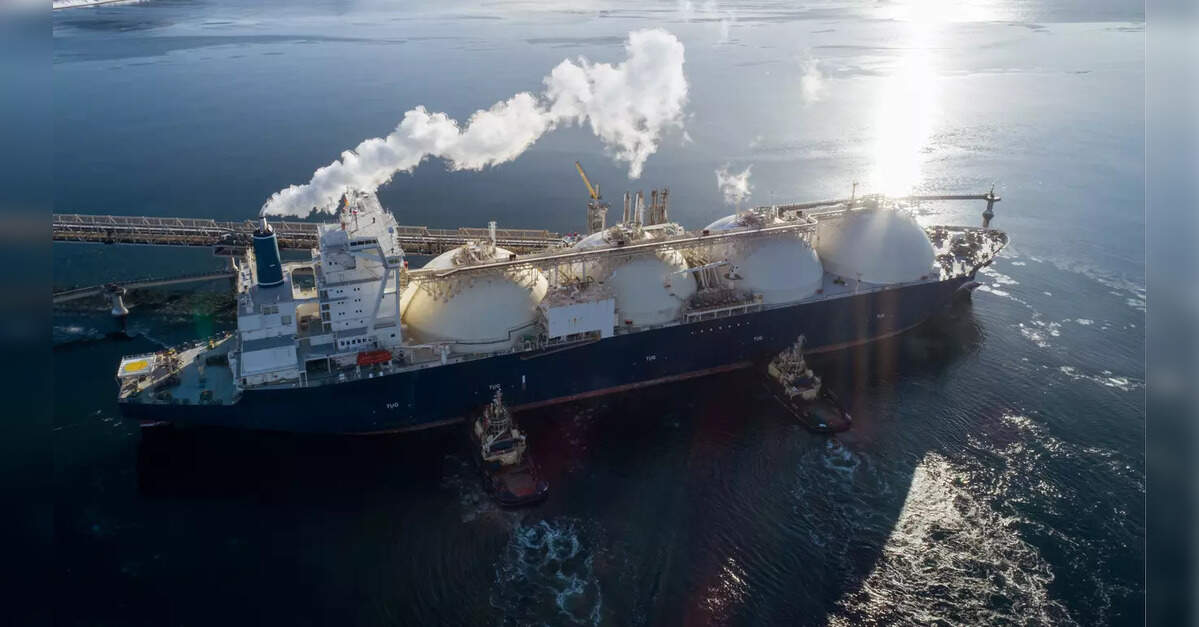
Petronet LNG’s declaration of force majeure is a direct consequence of the perilous security situation in the Strait of Hormuz, a choke point for a significant portion of the world’s energy trade. The company explicitly stated that three of its LNG tankers – Disha, Raahi, and Aseem – were unable to reach Ras Laffan, QatarEnergy’s loading port, due to the prevailing risks to maritime navigation. QatarEnergy, as the seller, has also issued a notice indicating a potential force majeure event, highlighting the widespread impact of the hostilities. Crucially, Petronet LNG has extended corresponding force majeure notices to its key off-takers in India: GAIL (India) Limited, Indian Oil Corporation Limited, and Bharat Petroleum Corporation Limited, under their respective Gas Sale and Purchase Agreements. This chain reaction signals an imminent supply crunch for these entities and potentially for India’s broader energy grid. The company’s regulatory filing further noted that acts of war are typically excluded from its business interruption insurance covers, adding a layer of financial uncertainty as the full impact remains unquantified at this early stage. This scenario serves as a stark reminder that even well-hedged energy contracts are vulnerable to the unpredictable nature of geopolitical conflict.
Crude Market Reacts Amid Broader Volatility
While the immediate disruption is to LNG supply, the broader energy market remains highly interconnected. As of today, Brent crude trades at $90.38 per barrel, while WTI crude sits at $82.59 per barrel. These prices reflect a market grappling with a complex mix of supply concerns and demand signals. It’s important to note that this current stability follows a period of significant volatility; our proprietary data shows Brent crude retreating from $112.78 on March 30th to its current level on April 17th, marking a nearly 20% decline in less than three weeks. This downward trend, despite the ongoing geopolitical tension, suggests that other factors such as concerns over global economic growth or robust non-OPEC+ supply have weighed heavily on sentiment. However, the Petronet LNG force majeure, by highlighting the fragility of supply routes, injects a renewed layer of risk premium into the market. While not directly impacting crude flows, any escalation that threatens the Strait of Hormuz invariably tightens the perceived supply-demand balance for all energy commodities, including crude. Investors are keenly watching how this LNG-specific event might contribute to upward pressure or limit further downside in oil prices, especially given the inherent uncertainty of Middle Eastern stability.
Navigating Future Market Catalysts and Supply Signals
The coming weeks are packed with critical energy events that will undoubtedly shape market direction, especially in light of the ongoing supply disruptions. Investors should mark their calendars for the OPEC+ Joint Ministerial Monitoring Committee (JMMC) Meeting on April 20th, followed by the full OPEC+ Ministerial Meeting on April 25th. These gatherings will be pivotal in assessing the cartel’s response to both existing market conditions and any new supply threats emerging from the Middle East. Any adjustments to production quotas could significantly influence crude prices and broader energy sentiment. Furthermore, weekly inventory data will offer crucial insights into the immediate supply-demand picture. The API Weekly Crude Inventory reports on April 21st and April 28th, alongside the EIA Weekly Petroleum Status Reports on April 22nd and April 29th, will be closely scrutinized for signs of tightening or loosening fundamentals in the U.S. market. Finally, the Baker Hughes Rig Count on April 24th and May 1st will provide an indication of future U.S. production activity, serving as a bellwether for potential supply responses. In a market where a major LNG player has declared force majeure due to regional conflict, these upcoming events take on even greater significance, offering potential catalysts for significant price movements.
Investor Focus: Price Trajectories and Energy Security Strategy
OilMarketCap.com’s proprietary reader intent data highlights a clear focus among investors on the future trajectory of crude prices, with frequent inquiries about WTI’s direction and predictions for oil prices by the end of 2026. The Petronet LNG force majeure, while specific to gas, directly feeds into this broader narrative of energy supply vulnerability, which is a primary driver of investor sentiment in both crude and natural gas markets. Investors are increasingly evaluating the long-term implications of geopolitical risks on global energy flows and asking how such incidents will impact valuations for energy companies. For those holding positions in LNG off-takers like GAIL, Indian Oil, or Bharat Petroleum, understanding the duration and resolution of the force majeure will be critical. Beyond immediate price movements, this event underscores the strategic importance of supply diversification and the potential for increased investment in alternative LNG sources or regasification infrastructure. The unestimated financial impact due to war exclusions in business interruption insurance also warrants attention, as it introduces an unquantified risk for affected companies. Prudent investors will be looking for companies with resilient supply chains, robust risk management frameworks, and clear strategies for navigating an increasingly complex and volatile global energy landscape.


