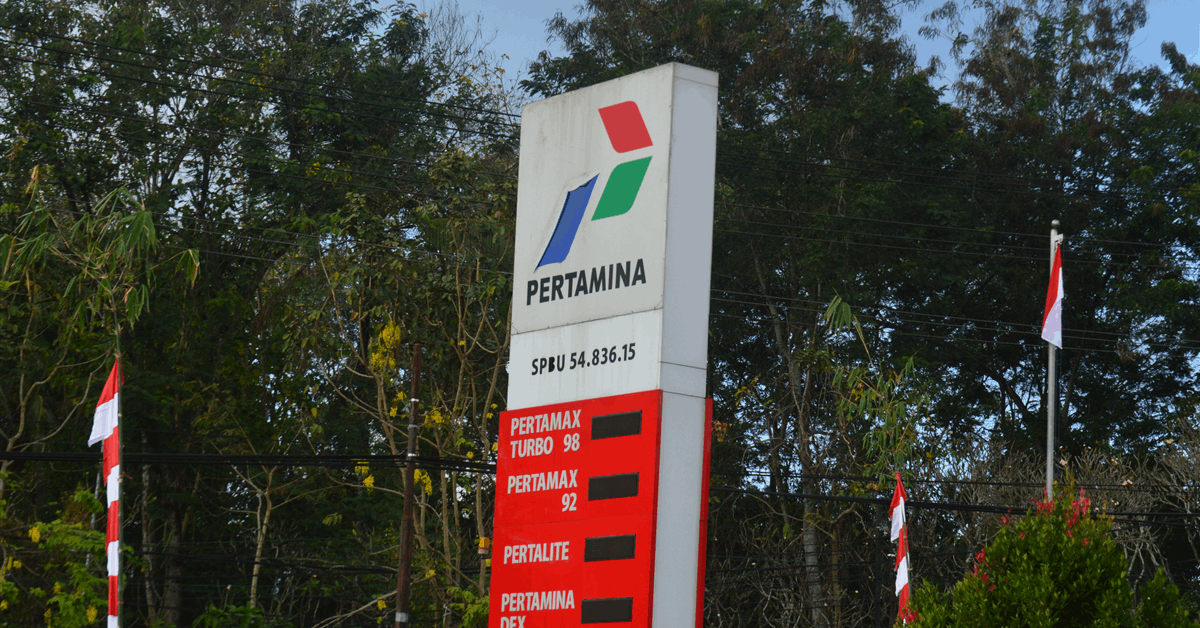
The strategic landscape of Southeast Asian energy continues to evolve, with Petronas’ partial divestment of its stake in the Bobara Production Sharing Contract (PSC) to Pertamina marking a significant regional development. This transaction, where Indonesia’s state-owned Pertamina acquires a 24.5 percent interest from its Malaysian counterpart, underscores a broader trend of national oil companies strengthening their domestic and regional footprints while fostering bilateral cooperation. For investors, this move highlights the long-term commitment to unlocking new hydrocarbon resources, particularly in frontier deepwater plays, amidst a dynamic global energy market. Analyzing this deal within the context of recent market movements and upcoming events provides crucial insight into the investment thesis for integrated energy giants and national champions in the region.
Strategic Deepwater Collaboration in Indonesia
The Bobara PSC, located offshore West Papua Province, is a pivotal asset in Indonesia’s drive to boost its upstream sector. Petronas, having secured the expansive 8,444.49 square kilometer area in Indonesia’s 2023 bidding round, has now strategically brought in Pertamina as a key partner. This 24.5 percent acquisition positions Pertamina alongside Petronas, which retains a 51 percent operating interest, and TotalEnergies SE, which acquired an equivalent 24.5 percent earlier this year. This tripartite arrangement leverages the complementary strengths of two leading national oil companies and a global major, combining deepwater expertise and a shared vision for responsible resource development. The initial commitments for the PSC are robust, involving three years of intensive geological and geophysical studies, including the acquisition and processing of 2,000 square kilometers of 3D seismic data. Such early-stage investments are critical for de-risking frontier exploration, laying the groundwork for potential future discoveries that could significantly contribute to Indonesia’s energy security and economic growth.
Expanding Regional Footprint Amidst Global Ambitions
The Bobara deal is not an isolated event but rather part of a larger strategic tapestry being woven across Southeast Asia. TotalEnergies, a key partner in Bobara, has also been aggressively expanding its regional presence. The French energy giant recently strengthened its position in Malaysia, acquiring a 50 percent operated working interest in Blocks SK301b and SK313 alongside Petronas, where significant gas discoveries of more than four trillion cubic feet (Tcf) are expected to underpin gas supply to Malaysia LNG from 2030. TotalEnergies’ CEO, Patrick Pouyanne, articulated the company’s view of Malaysia as a “strategic platform for our future low-cost, low-carbon production and cash-flow growth, underpinned by the exposure to Asian LNG market.” This sentiment resonates with what many investors are asking this week, particularly regarding the long-term outlook for oil and gas prices and the strategic positioning of major energy companies. While some readers ponder “what do you predict the price of oil per barrel will be by end of 2026?”, these long-term regional investments by major players like TotalEnergies and the NOCs signal confidence in the sustained demand for natural gas, especially LNG, in Asia. Furthermore, Petronas’ recent Memorandum of Understanding with OQ Exploration and Production New Ventures LLC for joint exploration in Southeast Asia and the Middle East underscores its own international upstream ambitions and diversification strategy, aiming to unlock new growth opportunities across diverse markets.
Navigating Market Volatility and Upcoming Catalysts
These strategic moves are taking place against a backdrop of considerable market volatility. As of today, Brent Crude trades at $90.38 per barrel, representing a significant decline of 9.07 percent within the day, with a range between $86.08 and $98.97. Similarly, WTI Crude is at $82.59, down 9.41 percent, having traded between $78.97 and $90.34. This sharp downturn is particularly notable given the 14-day Brent trend, which saw prices fall from $112.78 on March 30 to the current $90.38, a substantial drop of 19.9 percent. Such price swings directly impact the profitability and valuation of exploration and production assets, influencing investment decisions. Investors are closely watching upcoming events for potential market catalysts. The OPEC+ Joint Ministerial Monitoring Committee (JMMC) Meeting on April 19, followed by the full OPEC+ Ministerial Meeting on April 20, are critical for understanding future production quotas and supply dynamics. Coupled with the weekly API and EIA inventory reports on April 21-22 and April 28-29, and the Baker Hughes Rig Count on April 24 and May 1, these events will provide vital signals regarding the short-to-medium term trajectory of crude prices. The performance of these exploration assets, like Bobara, will be profoundly influenced by how these macro factors play out, highlighting the inherent risks and rewards of upstream investments.
Investment Implications and Growth Trajectories
For investors, the Petronas-Pertamina Bobara deal, along with TotalEnergies’ expanded role in the region, offers several compelling insights. Firstly, it reaffirms the strategic importance of Southeast Asia as a growth engine for global energy supply, particularly for natural gas and LNG. The long-term nature of deepwater exploration and development projects, often spanning decades from discovery to first production, necessitates robust partnerships and significant capital commitment. The collaboration between national oil companies and international majors helps de-risk these ventures, pooling technical expertise and financial resources. Secondly, these transactions reflect a calculated approach by national oil companies like Pertamina and Petronas to secure future energy supplies for their respective nations, aligning with broader national energy security objectives. Finally, the emphasis on “advantaged barrels” – lower-cost, potentially lower-carbon intensity production – signals a strategic pivot towards more sustainable and economically viable upstream projects in a carbon-constrained world. While short-term market volatility persists, the foundational investments in frontier exploration and development across Southeast Asia underscore a bullish long-term outlook for regional hydrocarbon assets, particularly for investors seeking exposure to the growing Asian energy demand story.


